
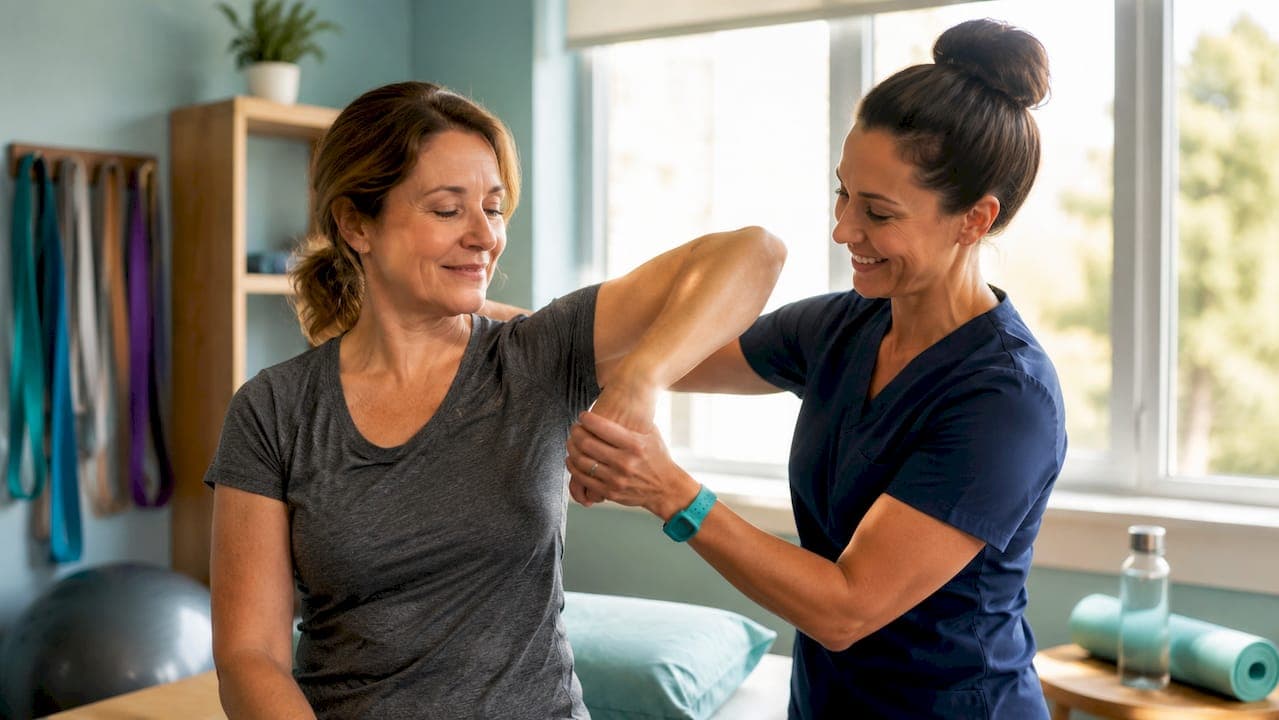
Back pain rehabilitation is the process of using coordinated physical and psychological therapies to reduce pain, restore function, and improve quality of life. The benefits of back pain rehabilitation are well established: people who follow structured rehab programmes recover faster, move better, and report higher wellbeing than those who rely on rest alone. Evidence-based approaches, including exercise therapy, core stability training, and the biopsychosocial model, form the backbone of modern rehabilitation for low back pain. If you are dealing with back pain right now, understanding what rehab actually does for you is the first step toward doing something about it.
1. How does back pain rehabilitation improve pain and physical function?
Exercise therapy is the most effective non-surgical tool for reducing back pain and restoring movement. It works by gradually loading the spine, improving circulation to injured tissues, and retraining the nervous system to tolerate movement without triggering alarm signals. The result is less pain, better strength, and a body that feels less fragile over time.
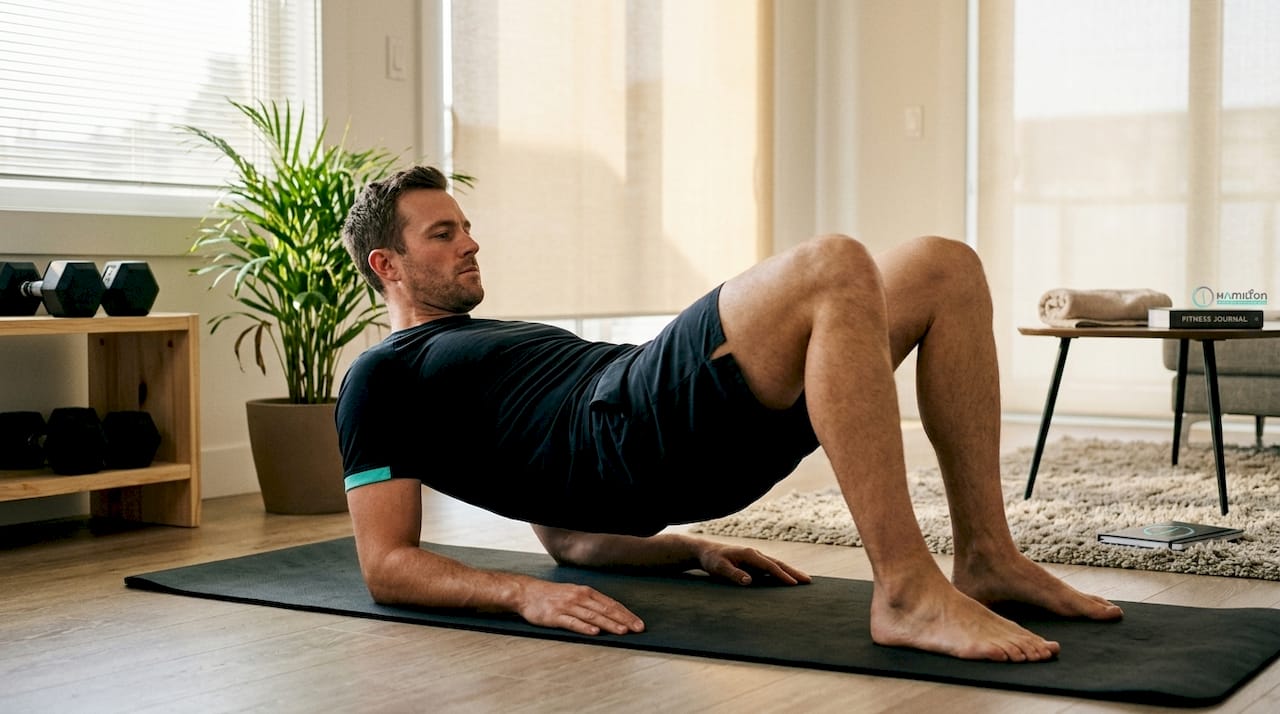
Research shows the optimal exercise dose for chronic low back pain involves sessions of 15–20 minutes, performed 6–7 times weekly for at least 16 weeks. That frequency matters more than intensity. Short, consistent sessions beat infrequent hard workouts every time, and your body needs that regular stimulus to adapt properly.
Core stability training deserves a special mention here. A meta-analysis found that core stability training produces strong reductions in pain (SMD = 0.97) and meaningful functional improvement (SMD = 1.09) in people with chronic low back pain. Those are genuinely impressive effect sizes. It means that targeted core work is not just "good for your posture" — it produces measurable, clinically significant change.
Progressive movement is the key principle. You start where you are, not where you think you should be, and you build from there. Your spine adapts to load over weeks, not days, so patience is non-negotiable.
- Exercise therapy reduces pain by retraining the nervous system and improving tissue health
- Core stability training produces significant pain relief and functional gains
- Short, frequent sessions (15–20 minutes, 6–7 times weekly) outperform sporadic intense effort
- Progressive loading allows the spine to adapt safely without flare-ups
Pro Tip: Start with 10 minutes of gentle movement daily if 15–20 minutes feels too much. Consistency matters far more than duration in the early weeks of rehab.
2. What psychological and social benefits does back pain rehabilitation provide?
Back pain is never purely physical. Fear of movement, low mood, and social withdrawal are common companions to chronic pain, and ignoring them makes recovery significantly harder. The biopsychosocial model addresses this directly by integrating physical exercise with psychological support, improving resilience and long-term outcomes.
Pain-related fear and unhelpful beliefs are major barriers to recovery. When people believe that movement will cause damage, they avoid it. That avoidance leads to deconditioning, which makes pain worse. Addressing those beliefs early in rehab breaks the cycle and builds genuine resilience.
Mental health screening is now considered a standard component of good rehabilitation practice. Physiotherapists, psychologists, and nurses working together can identify anxiety or depression early and adjust the programme accordingly. This is not about labelling people; it is about giving them the full picture of support they need.
Rehabilitation also improves self-efficacy, which is your belief in your own ability to manage your condition. When self-efficacy rises, people stick to their programmes, return to social activities, and report better quality of life even when some pain remains. That last point is worth sitting with: improved functional restoration is achievable even if pain does not disappear completely.
- Biopsychosocial rehab combines physical and psychological care for better long-term results
- Addressing fear of movement early prevents the avoidance cycle that worsens pain
- Mental health support within rehab reduces anxiety and improves programme adherence
- Self-efficacy gains help people return to social activities and daily function
3. Why is personalised and multidisciplinary care essential in back pain rehabilitation?
Coordinated care simply works better. Multidisciplinary back pain care achieves a 70% recovery rate compared to 50% with standard, non-coordinated care. That 20-percentage-point gap represents a huge number of people who recover fully rather than struggling on with persistent symptoms.
A multidisciplinary team typically includes physiotherapists, psychologists, nurses, and social workers. Each brings a different lens to your recovery. A physiotherapist addresses movement and strength; a psychologist addresses fear and mood; a nurse monitors overall health; a social worker considers the impact of work and home life. Together, they create a plan that fits your actual life, not a generic template.
Digital self-management tools and patient education are increasingly part of this picture. Apps that track exercise adherence, symptom diaries, and video-guided sessions extend the reach of the clinical team between appointments. They also give you ownership of your recovery, which research consistently links to better outcomes.
Long-term support matters too. Rehabilitation is not a six-week fix and farewell. Sustained input from a team prevents relapse and helps people maintain the gains they have worked hard to achieve. Think of it less like a course of antibiotics and more like a fitness habit: the benefits compound over time.
- Physiotherapy addresses movement patterns, strength, and spinal loading
- Psychology tackles fear, unhelpful beliefs, and mood
- Nursing monitors overall health and medication management
- Social work considers work capacity, home environment, and social support
- Digital tools extend support between appointments and improve adherence
Pro Tip: Ask your rehabilitation team for a written summary of your goals and progress at each stage. Having it in writing keeps everyone accountable and helps you track how far you have come.
4. What are the advantages of early and active back pain treatment?
Starting rehabilitation early is one of the most important decisions you can make. Early active treatment reduces the risk of chronic pain and improves mobility compared to rest or inactivity. The longer pain goes unaddressed, the more the nervous system adapts to it, making it harder to shift.
Active rehabilitation beats prolonged rest for functional restoration. Rest has its place in the very acute phase, but staying sedentary beyond a day or two amplifies pain signals and weakens the muscles that support your spine. Movement, even gentle movement, keeps those systems online.
| Approach | Short-term effect | Long-term outcome |
|---|---|---|
| Prolonged rest | Temporary comfort | Increased chronicity risk |
| Early active rehab | Initial discomfort possible | Faster recovery, better function |
| Sporadic intense exercise | Variable pain response | Inconsistent adaptation |
| Short, frequent sessions | Manageable load | Sustained improvement over 16+ weeks |
Small, consistent sessions are more effective than intense sporadic effort. Your body needs regular stimulus to adapt, and overdoing it early leads to flare-ups that knock your confidence and set you back. Listening to your pain cues is not weakness; it is smart training. If something causes sharp or worsening pain, ease off and adjust. If it causes mild discomfort that fades within an hour, that is usually a sign of normal adaptation.
The benefits of early back pain treatment extend beyond the physical. Starting rehab early sends a message to your nervous system that movement is safe. That message is powerful, and it shapes your recovery trajectory from the very beginning.
5. How does core strength contribute to back pain relief during rehabilitation?
Core strengthening is one important component in a broader rehabilitation programme, not a standalone cure. The core muscles, including the deep spinal stabilisers, the diaphragm, and the pelvic floor, work together to control spinal movement and reduce stress on the vertebrae and discs. When these muscles are weak or poorly coordinated, the spine takes on more load than it should.
Core strengthening combined with psychological and breathing exercises yields more stable long-term improvements than core-only training. That finding is a useful reminder that no single exercise type solves back pain. The breathing component in particular is often overlooked: diaphragmatic breathing improves intra-abdominal pressure and directly supports spinal stability.
Correct form is non-negotiable. Proper exercise technique and listening to your body's pain cues during rehab prevents discomfort and injury while maximising benefit. A poorly executed plank with a sagging lower back does more harm than good. If you are unsure about your form, get it checked by a qualified therapist before adding load or repetitions.
- Deep spinal stabilisers reduce stress on vertebrae and discs when properly activated
- Diaphragmatic breathing improves intra-abdominal pressure and spinal support
- Multimodal training (core plus psychological plus breathing) outperforms core work alone
- Correct form is more important than volume or intensity, especially in early rehab
You can find a solid starting point for core exercise guidance on the Sportsinjurydublin blog, where specific exercises are explained with technique cues for people at different stages of recovery.
Key takeaways
Back pain rehabilitation works best when it combines exercise therapy, psychological support, and personalised multidisciplinary care started as early as possible.
| Point | Details |
|---|---|
| Early treatment prevents chronicity | Starting active rehab early reduces the risk of pain becoming long-term and persistent. |
| Multidisciplinary care doubles recovery odds | Coordinated team care achieves a 70% recovery rate versus 50% with standard care. |
| Short, frequent sessions beat intensity | Sessions of 15–20 minutes, 6–7 times weekly for 16+ weeks produce the best adaptation. |
| Core training needs a multimodal approach | Combining core work with breathing and psychological exercises produces more lasting results. |
| Self-efficacy is a recovery tool | Believing in your ability to manage pain improves adherence and quality of life outcomes. |
My honest take on getting the most from back pain rehab
I will be straight with you: rehabilitation is not a quick fix, and anyone who tells you otherwise is selling something. The nervous system takes 4–6 weeks to show meaningful symptom improvement after starting a new movement programme. Those first few weeks can feel discouraging, especially if you expected to feel better immediately.
What I have found, both personally and from working with people in pain, is that the people who do best are the ones who find movement they actually enjoy. If you hate the exercises in your programme, you will not do them consistently. Ask your therapist for alternatives. There is almost always more than one way to achieve the same goal.
The psychological side of rehab is the part most people underestimate. Addressing your fear of movement, your beliefs about what your back can handle, and your mood is not a soft add-on. It is central to recovery. I have seen people with objectively serious spinal findings live full, active lives because they worked on the mental side of pain. And I have seen people with minor findings remain disabled because they never addressed the fear.
My advice? Be patient, be consistent, and be honest with your therapist about what is and is not working. Rehab is a collaboration, not a prescription. The more you engage with it, the more you get out of it. And if you have been avoiding treatment because you are worried about what they might find, please do not let that stop you. Common lower back pain mistakes are almost always fixable once you know what they are.
— Mark
How Sportsinjurydublin can support your back pain recovery
If you are ready to move from reading about rehab to actually doing it, Sportsinjurydublin is worth a serious look. The team at Hamilton Pain and Sports Injury Clinic in Dublin takes a genuinely personalised approach to back pain, building programmes around your specific movement patterns, lifestyle, and goals rather than a one-size-fits-all protocol.
Clients regularly report significant improvements after just one or two sessions, which reflects the clinic's focus on identifying the root cause rather than managing symptoms. Whether you are dealing with acute low back pain or a long-standing chronic issue, the sports rehabilitation services at Sportsinjurydublin cover the full spectrum of evidence-based treatment, from exercise therapy and manual therapy to shockwave and laser treatment. You can book an appointment directly online and get started without a GP referral.
FAQ
What are the main benefits of back pain rehabilitation?
Back pain rehabilitation reduces pain, restores physical function, and improves psychological wellbeing. Coordinated rehab programmes achieve a 70% recovery rate compared to 50% with standard care.
How long does it take to see results from back pain rehab?
Nervous system retraining typically takes 4–6 weeks to produce meaningful symptom improvement. Consistent short sessions over at least 16 weeks produce the best long-term adaptation.
Is core strengthening enough to fix back pain?
Core strengthening alone is less effective than a multimodal approach. Combining core exercises with psychological support and breathing exercises produces more stable, lasting improvements.
Does back pain rehabilitation help with mental health too?
Yes. The biopsychosocial model integrates physical and psychological care, reducing pain-related fear, improving self-efficacy, and supporting social participation alongside physical recovery.
Should I rest or stay active when I have back pain?
Early active treatment reduces the risk of chronic pain and improves mobility compared to prolonged rest. Gentle, consistent movement is almost always better than staying sedentary beyond the very acute phase.