

Movement therapies for pain relief are active, body-based treatments that reduce chronic pain by retraining the nervous system and restoring physical function. Unlike passive treatments such as medication or rest, these approaches require you to move, which is precisely why they work. NICE guidelines and leading pain researchers agree that active, patient-led movement is the most effective long-term strategy for chronic pain management. Sportsinjurydublin sees this every day at the Hamilton Pain and Sports Injury Clinic in Dublin, where personalised movement programmes consistently outperform generic protocols for people dealing with persistent pain and injury.
1. What are the main movement therapies for pain relief?
The term "movement therapies" covers a broad range of clinical and complementary approaches. The recognised industry term is "exercise-based rehabilitation," and it sits at the heart of modern pain management. Here is a clear breakdown of the most effective options.
Physical therapy (physiotherapy)
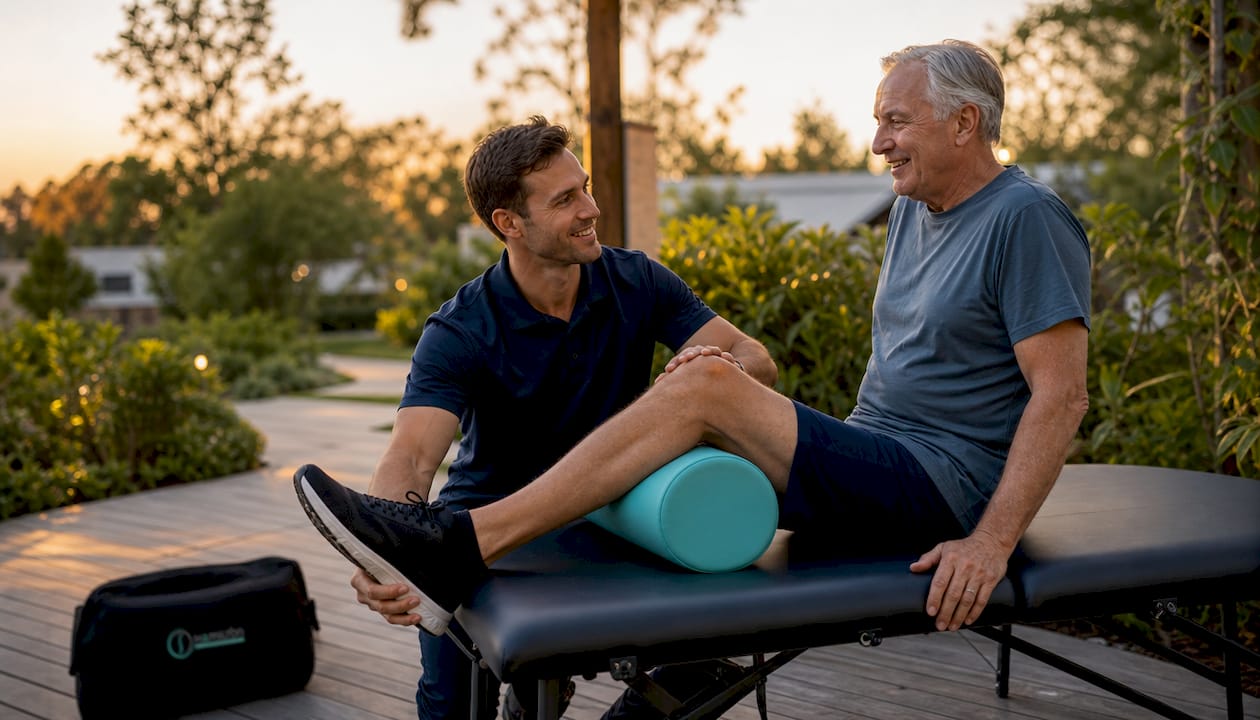
Physical therapy for pain is the most widely prescribed movement-based treatment for chronic pain. A physiotherapist designs a programme of graded activity, progressive loading, and pain neuroscience education. Physical therapy improves physical function in chronic low back pain, with an RCT of 749 participants confirming functional gains over ten weeks. The gains in function matter more than short-term pain scores, because function is what gets you back to your life.
Tai Chi and Qigong
Tai Chi is a traditional Chinese exercise combining slow, deliberate movement with breath control and mental focus. It is low impact, accessible to most ages, and backed by strong clinical evidence. A systematic review of 8 RCTs with 526 patients found Tai Chi produces a meaningful reduction in pain scores and improves functional disability in chronic nonspecific low back pain. That is a lot of people feeling noticeably better from something that looks, frankly, quite gentle.
Pilates and the Alexander Technique
Pilates focuses on core stability, breath, and controlled movement patterns. The Alexander Technique teaches you to notice and change habitual posture and tension patterns that contribute to pain. Both approaches work well for people whose pain is linked to poor movement habits or postural load.
Dance movement therapy
Dance movement therapy uses guided movement and rhythm to improve body awareness, emotional resilience, and pain tolerance. It is particularly effective for people whose pain has a strong psychological or emotional component. The mind-body connection here is not just feel-good fluff. It is a genuine therapeutic mechanism.
Yoga for pain relief
Gentle yoga combines stretching, breath work, and mindfulness. It reduces muscle tension, improves flexibility, and calms the nervous system. Yoga for pain relief works best when it is adapted to your current capacity rather than pushed to the limits of a class designed for healthy adults.
Aquatic therapy
Warm water reduces joint load while allowing resistance-based movement. Aquatic therapy suits people with severe pain or limited weight-bearing capacity, such as those with hip or knee conditions.
Pro Tip: The best movement therapy is the one you will actually do. Enjoyment drives adherence, and adherence drives results. Pick something you do not dread.
2. How does graded exposure and pacing improve chronic pain?
This is where things get genuinely interesting, and where most people with chronic pain have a lightbulb moment.
What is graded exposure?
Graded exposure is a structured approach to gradually increasing movement despite pain or fear of pain. Pain during movement is often caused by an overprotective nervous system, not new physical damage. That distinction changes everything. If your nervous system is sounding the alarm when there is no actual tissue threat, the solution is not to avoid movement. It is to gently, repeatedly show your nervous system that movement is safe.
What is pacing?
Pacing means managing your daily activity within sustainable limits, then gradually expanding those limits over time. NHS Inform advises pacing activity to balance capability and avoid exacerbation, with gradual increments. The goal is to break the boom-and-bust cycle, where you do too much on a good day, crash, and then do nothing for three days.
Here is how to apply both in practice:
- Identify your baseline. Find the activity level you can sustain without a significant flare-up. This might be a ten-minute walk, not a thirty-minute one.
- Set a time-based goal, not a pain-based one. Stop at your planned time, not when pain tells you to stop. This retrains your nervous system to trust movement.
- Increase gradually. Add small increments, perhaps two minutes per week, rather than jumping ahead when you feel good.
- Track your functional wins. Note when you can do something you could not do before, like carrying shopping or sitting through a film.
- Expect some discomfort. Chronic pain physical therapy promotes the understanding that pain does not equal harm, and that gradual activity builds resilience.
Pro Tip: Set a specific, realistic, time-bound activity goal each week. "I will walk for twelve minutes every morning" beats "I will try to move more" every single time.
3. What does the science say about Tai Chi and traditional Chinese exercises?
The evidence here is genuinely impressive, and it keeps getting stronger.
A meta-analysis of 38 RCTs found that one month of regular traditional Chinese exercise significantly reduces pain intensity (RR = -0.90) and improves lumbar dysfunction (WMD = -5.96) in people with nonspecific low back pain. Those are clinically meaningful numbers, not marginal effects. A separate systematic review confirmed that Tai Chi specifically reduces pain on the Visual Analogue Scale (MD = -1.40) and improves Roland Morris Disability Questionnaire scores in chronic low back pain patients.
| Therapy | Evidence type | Key outcome |
|---|---|---|
| Tai Chi | Systematic review, 8 RCTs, 526 patients | Pain reduction (MD = -1.40 VAS), improved disability scores |
| Traditional Chinese exercise (broad) | Meta-analysis, 38 RCTs | Pain intensity (RR = -0.90), lumbar dysfunction (WMD = -5.96) |
| Physical therapy | RCT, 749 participants | Improved physical function over 10 weeks |
The mechanisms behind these results include parasympathetic nervous system engagement, improved spinal stability, and better body awareness. Tai Chi also has an excellent safety profile. It produces no significant adverse effects and suits older adults or those with limited mobility. The main caveat is that study designs vary, and intervention lengths differ across trials. Consistency of practice matters more than which specific style you choose.
4. How to choose the right movement therapy for your pain
NICE guidelines state that no single exercise is superior for chronic pain. The best one is the one you enjoy and can sustain. That sounds simple, but most people ignore it and chase the "correct" answer instead.
Here is a practical framework for choosing:
- Type of pain matters. Low back pain responds well to Pilates, Tai Chi, and graded walking. Hip pain often benefits from aquatic therapy or specific hip-focused rehabilitation. Knee pain suits low-impact options like cycling or swimming.
- Your functional goals drive the choice. If you want to return to gardening, your programme should include the movements gardening requires. If you want to walk your dog without limping, start there.
- Access and cost are real factors. A Tai Chi class costs less than weekly physiotherapy. A home-based walking programme costs nothing. Sustainability requires affordability.
- Get professional guidance first. A physiotherapist or qualified movement specialist can rule out contraindications and help you start at the right level. Overexertion in the first week is the most common reason people quit.
- Avoid the quick-fix trap. Functional improvement often precedes pain reduction. If you expect pain to vanish in two weeks, you will likely give up before the real gains arrive.
- Combine approaches where it makes sense. Physiotherapy and Tai Chi complement each other well. So do yoga and graded walking. You are not locked into one method.
If you have had a sports injury, sports rehabilitation that integrates active movement techniques will serve you better than passive rest alone.
Key takeaways
The most effective movement therapy for chronic pain is the one you enjoy, can sustain, and gradually progress, because adherence drives nervous system retraining and long-term functional improvement.
| Point | Details |
|---|---|
| Active beats passive | Movement therapies outperform rest and medication for long-term chronic pain management. |
| Pacing prevents flare-ups | Setting time-based activity goals and increasing gradually avoids the boom-and-bust cycle. |
| Tai Chi has strong evidence | Meta-analyses of 38 RCTs confirm meaningful pain and dysfunction improvements after four weeks. |
| Enjoyment drives adherence | NICE guidelines confirm no single exercise is superior; the best is the one you will stick to. |
| Function before pain elimination | Prioritising functional goals, like walking or gardening, leads to sustained improvement over time. |
My honest view on movement and chronic pain
I have worked with a lot of people who arrive convinced that movement is the enemy. They have been told to rest, to protect the painful area, to wait until it settles. And they have been waiting for months, sometimes years. Here is what I have actually observed: the waiting makes it worse.
The nervous system learns from experience. If you teach it that movement is dangerous by avoiding it, it becomes more sensitive, not less. The research backs this up completely, but you do not need a meta-analysis to see it. You just need to watch someone with chronic back pain take their first cautious walk and come back saying they feel better than they have in months.
The mindset shift is the hardest part. Accepting that some discomfort during movement is not a sign of damage takes time and, honestly, a bit of courage. Pain neuroscience education, the kind offered at Sportsinjurydublin, makes that shift far easier because it gives you a framework for understanding what your nervous system is actually doing.
My honest advice? Pick something you enjoy. Start embarrassingly small. Be consistent. And get someone in your corner who understands chronic pain, not just anatomy. The mistakes people make with back pain are almost always about doing too much too soon or giving up too early. Neither has to be your story.
— Mark
Sportsinjurydublin's approach to movement-based pain relief
Sportsinjurydublin at the Hamilton Pain and Sports Injury Clinic in Dublin specialises in exactly the kind of personalised, active rehabilitation this article describes. Whether you are dealing with persistent back pain, a sports injury, or chronic pain that has not responded to generic treatment, the clinic builds a programme around your specific goals, lifestyle, and current capacity.
The team combines physiotherapy, pain neuroscience education, graded movement, and adjunctive therapies where appropriate, including shockwave and laser therapy for conditions that benefit from additional support. Every plan is individual. No two people get the same programme. If you are ready to move forward, book a consultation and get a plan built around you.
FAQ
What is the most effective movement therapy for chronic pain?
No single therapy is universally superior. NICE guidelines confirm that the best exercise for chronic pain is the one the patient enjoys and will sustain long term, because adherence drives results.
How quickly do movement therapies reduce pain?
Functional improvement typically comes before pain reduction. A meta-analysis of traditional Chinese exercise found meaningful pain and dysfunction improvements after just four weeks of regular practice.
Is it safe to exercise when you are in pain?
Pain during movement is often caused by an overprotective nervous system rather than new tissue damage. Graded, supervised movement is generally safe and is the recommended approach in chronic pain physical therapy.
What is pacing and why does it matter for chronic pain?
Pacing means setting sustainable activity limits and increasing them gradually over time. NHS Inform recommends pacing to avoid flare-ups and retrain the nervous system to be less reactive to everyday movement.
Can Tai Chi really help with back pain?
A systematic review of 8 RCTs with 526 patients found Tai Chi produces a clinically meaningful reduction in pain scores and improved disability outcomes for people with chronic nonspecific low back pain.