
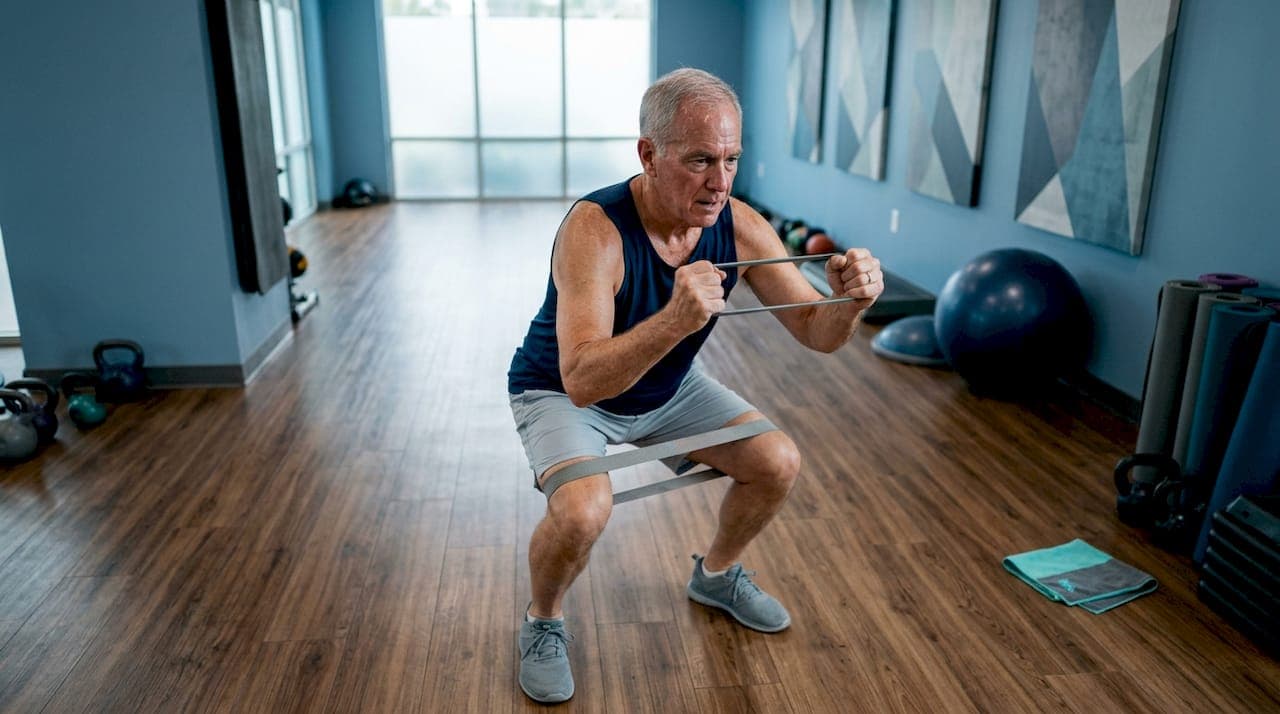
Older athletes face a measurably higher injury risk as age-related changes reduce muscle mass, bone density, and joint flexibility. The good news? These changes are manageable. The American College of Sports Medicine and the Cochrane Database both confirm that targeted strength training, balance work, and gradual load progression are the most effective tools for injury prevention in older adults. Sportsinjurydublin sees this play out every week with clients who come in frustrated after an avoidable setback. The core principle is simple: adapt your training, don't abandon it.
How to reduce injury risk for older athletes through exercise
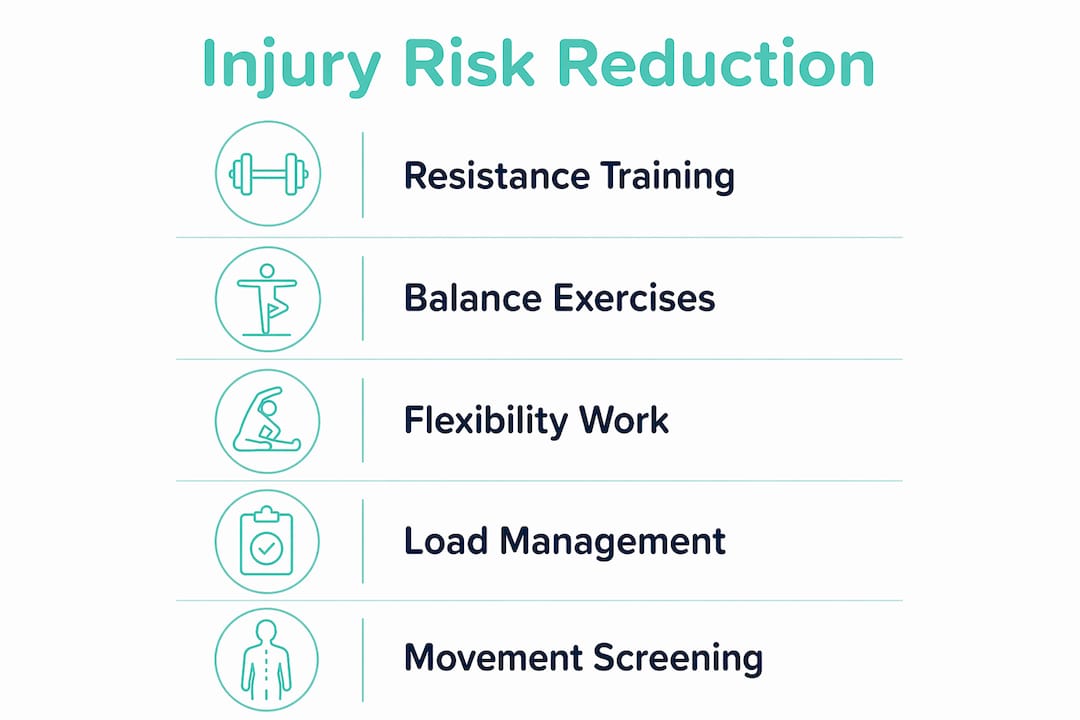
The safest and most effective exercises for older athletes fall into three categories: resistance training, balance work, and flexibility. Each one does a different job, and skipping any of them leaves a gap.
Resistance training is the foundation. Compound movements 2–3 times weekly targeting major muscle groups, such as squats, deadlifts, rows, and pressing movements, build the strength that protects joints and absorbs impact. If you are new to lifting or returning after a break, start with 1 set of 10–15 repetitions per exercise. Lighter loads may require 12–20 reps initially, and that is perfectly fine. The goal is consistent stimulus, not ego.
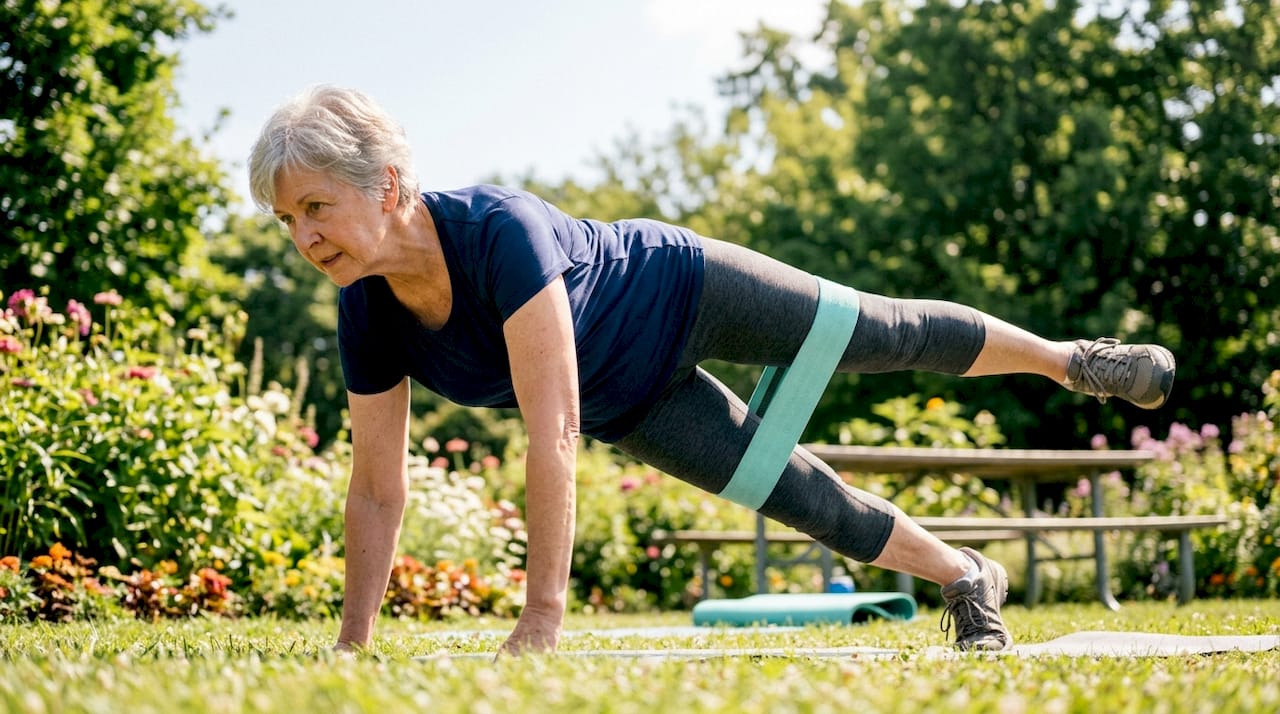
Balance training deserves a specific mention here because it is widely misunderstood. Many older athletes assume wobble boards and unstable surfaces are the answer. They are not. Strength around joints is far more effective at improving functional stability than unstable-surface drills, which can actually increase fall risk when used without proper progression. Single-leg exercises, step-ups, and lateral movements done on solid ground are your best bet.
Flexibility and mobility work rounds out the picture. Dynamic stretching before a session, think leg swings, hip circles, and arm rotations, prepares joints and muscles for load. Static stretching is better saved for after training, when tissues are warm and more receptive. Spending 10 minutes on mobility work before a session genuinely reduces the chance of a muscle strain or joint irritation mid-workout.
Pro Tip: If you are unsure where your flexibility gaps are, a simple hip flexor and hamstring assessment takes less than five minutes and can reveal a lot about your injury risk profile.
A structured strength training programme that combines all three elements is not just for runners or cyclists. Every older athlete, regardless of sport, benefits from this foundation.
How to manage training intensity and volume safely as you age
Getting the volume and intensity right is where most older athletes go wrong. The temptation to train like you did at 30 is real (trust me, I get it), but the recovery capacity at 50 or 60 is genuinely different.
-
Limit weekly volume increases to 10%. Intensity increases beyond 10% per week are a leading cause of overuse injuries in older athletes. This applies to running mileage, lifting load, and session frequency alike. Slow and steady is not a cliché here. It is the actual science.
-
Reduce high-frequency sessions. Two to three quality sessions weekly is the sweet spot for most older athletes. More is not better. More is just more opportunity for something to go wrong.
-
Learn to read your pain. This one is critical. Pain that persists beyond 24 hours after a session is a warning sign, not a badge of honour. Pain that alters your movement pattern is a red flag. Pain that resolves quickly and does not change how you move is generally fine to train through with caution.
-
Prioritise sleep and nutrition. Recovery does not happen in the gym. It happens afterwards. Protein, calcium, vitamin D, and omega-3 fatty acids all support musculoskeletal health and reduce injury risk. Skimping on sleep or eating poorly while training hard is a recipe for a slow, grinding overuse injury.
"The single most important factor in injury prevention for older athletes is not the exercise itself. It is the ability to distinguish between productive discomfort and genuine warning pain, and to act on that distinction immediately."
If you have ever had a nagging cycling-related back or neck issue, you will know exactly what happens when you ignore that distinction for too long.
What role do movement screenings play in injury prevention?
Movement screenings are one of the most underused tools in an older athlete's toolkit. And honestly, that surprises me every time I think about it.
Small movement inefficiencies that caused no problems at 25 become genuine injury triggers after 40. A slight hip drop during running, a tendency to shift weight to one side during a squat, or limited thoracic rotation during a golf swing. These patterns accumulate stress on specific tissues until something gives. A professional movement screening catches these compensations before they become injuries.
The common misconception is that getting assessed means something is wrong with you. It does not. Professional assessments are performance investments. The athletes who use them regularly tend to stay active longer and recover faster when minor issues do arise. Think of it like a car service. You do not wait for the engine to fail.
When should you get screened? Ideally before starting a new training block, after returning from any injury, or if you notice persistent tightness or asymmetry in your movement. Follow-up every 6–12 months keeps the picture current as your training evolves.
Pro Tip: Ask your clinician to assess your movement under load, not just static positions. A squat or single-leg hop tells you far more about real injury risk than a standing posture check.
If you are dealing with persistent knee pain or unexplained tightness, a movement screen is often the fastest route to understanding why.
What lifestyle changes support injury risk reduction in older athletes?
Training is only part of the picture. What you do outside the gym matters just as much, possibly more.
Nutrition is non-negotiable. Protein, calcium, vitamin D, omega-3 fatty acids, and adequate hydration all directly support bone density and muscle mass. Older athletes who under-eat protein, especially after sessions, lose muscle faster and recover more slowly. Aim for protein at every meal, not just post-workout.
Here is what else makes a real difference:
- Hydration and medication awareness. Some common medications, including diuretics and certain blood pressure drugs, affect balance and coordination. Review these with your GP if you are training regularly. Dehydration compounds the problem significantly.
- Home and environment safety. Falls outside of sport cause a disproportionate number of injuries in older adults. Good lighting, non-slip surfaces, and removing trip hazards at home are genuinely protective measures.
- Mind-body practices. Tai chi and yoga are not just for relaxation. Both improve proprioception (your body's sense of where it is in space), coordination, and mental focus during movement. Structured exercise targeting strength and balance reduces fall rates by 23% and the number of people who fall by 15%, according to a Cochrane Database systematic review. That is a significant number for something you can achieve with consistent, low-cost training.
- Mental engagement. Staying mentally sharp during training, focusing on form, breathing, and body position, reduces the distraction-related errors that cause acute injuries.
The lifestyle piece is where a lot of older athletes leave easy gains on the table. Sorting out sleep, nutrition, and environment does not require a gym membership. It just requires attention.
Key takeaways
Older athletes who combine adapted resistance training, functional balance work, and gradual load management significantly reduce their injury risk and extend their active years.
| Point | Details |
|---|---|
| Resistance training frequency | Train major muscle groups 2–3 times weekly with compound movements and limit load increases to 10% per week. |
| Balance training approach | Prioritise joint-strengthening exercises on solid ground rather than unstable-surface drills, which can increase fall risk. |
| Pain awareness | Pain persisting beyond 24 hours or altering movement is a warning sign; act on it immediately rather than training through it. |
| Movement screening value | Regular professional assessments catch compensations early and function as performance investments, not admissions of weakness. |
| Lifestyle support | Adequate protein, vitamin D, calcium, hydration, and sleep are as important as the training itself for injury prevention. |
Why older athletes should adapt, not avoid: Mark's take
Here is something I see constantly at Sportsinjurydublin: older athletes who have been told, or have told themselves, that they need to ease off. Do less. Be careful. And I understand where that comes from. But it is largely wrong.
The research is clear that gradual resistance training maintains bone density and shock absorption. Avoiding load out of fear does not protect you. It actually accelerates the decline you are trying to prevent. Muscles and tendons need progressive stress to stay healthy. The key word is progressive.
What I have found, both clinically and personally, is that older athletes who get injured are rarely the ones training too hard. They are usually the ones who jumped back in too fast after a break, ignored a warning sign for too long, or never got a proper movement assessment done. High-intensity training is safe for older adults when approached with a proper ramp-up phase. The problem is almost always the ramp, not the intensity.
My honest advice? Stop thinking of injury prevention as a limitation and start treating it as a competitive advantage. The athletes who do the boring stuff, the screening, the gradual progression, the sleep, the nutrition, are the ones still competing at 65 while others are watching from the sidelines. That is not a coincidence.
— Mark
Sportsinjurydublin: expert support for older athletes
Staying active as an older athlete is absolutely achievable with the right support behind you. Sportsinjurydublin works with athletes of all ages and levels, from weekend warriors to masters competitors, providing individualised assessment, treatment, and training guidance that actually fits your life and your body.
Whether you need a thorough sports rehabilitation programme after an injury, a movement screening to catch problems before they start, or personal training tailored to your age and goals, the team at Sportsinjurydublin has you covered. No generic protocols. No one-size-fits-all plans. Just expert, hands-on care that gets results. Book an appointment and find out what your body is actually capable of.
FAQ
How often should older athletes strength train to prevent injuries?
Resistance training 2–3 times weekly targeting major muscle groups is the recommended frequency for older athletes. This volume builds strength and bone density without overloading recovery capacity.
Does balance training really reduce fall risk for older athletes?
Yes, but the type matters. Structured strength and balance programmes reduce fall rates by 23% in older adults, according to a Cochrane Database review. Functional, joint-strengthening exercises on solid ground outperform unstable-surface drills.
What is the 10% rule in training for older athletes?
The 10% rule means never increasing your weekly training volume or intensity by more than 10% at a time. Exceeding this threshold is a primary driver of overuse injuries in older athletes.
When should an older athlete seek a professional movement screening?
Seek a screening before starting a new training block, after returning from injury, or if you notice persistent tightness or movement asymmetry. Follow-up assessments every 6–12 months keep your injury risk profile current.
Can older athletes safely do high-intensity training?
High-intensity training is safe for older athletes when introduced with a proper, gradual ramp-up phase rather than an abrupt jump in volume. The risk comes from the speed of progression, not the intensity itself.