
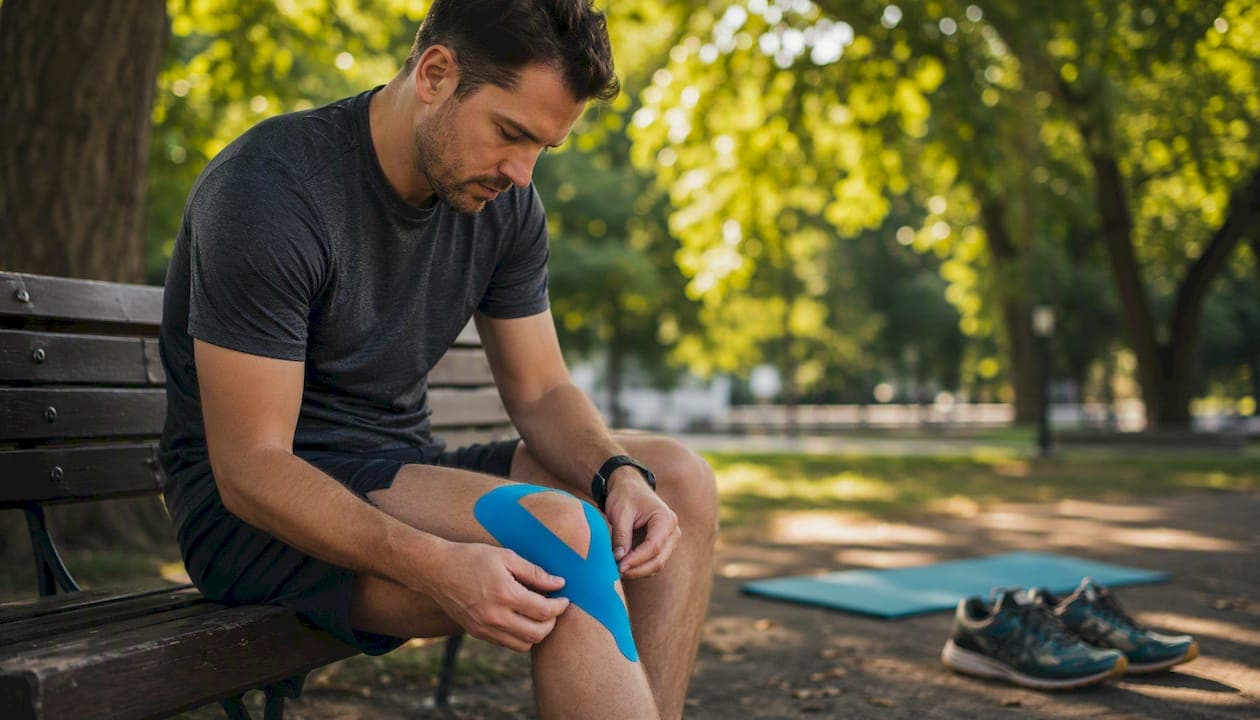
Most running injuries fall into eight familiar categories: runner's knee, shin splints, IT band syndrome, Achilles tendinopathy, plantar fasciitis, stress fractures, ankle sprains, and hamstring or quad strains. If something twinges, here's your one job: stop running if the pain changes how you move or doesn't ease within a few minutes. Somewhere between 40 and 50% of regular runners get injured every single year, so you're not being dramatic by taking it seriously.
- Runner's knee (patellofemoral pain)
- Shin splints (medial tibial stress syndrome)
- IT band syndrome
- Achilles tendinopathy
- Plantar fasciitis
- Stress fractures
- Ankle sprains
- Hamstring or quadriceps strains
Pro Tip: Ramping up mileage too fast is the number one culprit behind almost every injury on that list. If something does flare up, a proper assessment at somewhere like Sportsinjurydublin will tell you in one session whether you're dealing with a niggle or a genuine problem.
Key Takeaways
Most running injuries stem from training-load errors, not bad luck, and correcting load plus targeted strength work resolves the majority without surgery.
| Point | Details |
|---|---|
| Know your injury profile | Runner's knee, shin splints, and Achilles issues make up most cases; symptoms differ enough to self-identify roughly. |
| Respect the 10% rule | Training-load errors cause 60 to 70% of injuries; cap weekly mileage increases accordingly. |
| Strengthen single-leg control | Weak hips and glutes drive knee and IT band problems; two sessions weekly reduces recurrence. |
| Watch for red flags | Sharp bone pain, swelling past 48 hours, or numbness means see a clinician, not another rest week. |
| Get a proper assessment | Sportsinjurydublin offers individualised rehab plans covering manual therapy, shockwave therapy, and structured return-to-run coaching. |
Table of Contents
- Why do runners get injured in the first place?
- What are the most common running injuries and how do you treat them?
- How do you build a weekly plan that actually prevents injury?
- When should you see a clinician about a running injury?
- How does a sports injury clinic assess a running injury?
- Where can runners get help with a persistent injury?
- Sources
Why do runners get injured in the first place?
Here's the number that should make every runner sit up: roughly 40 to 50% of regular runners pick up an injury each year, mostly affecting the knee, lower leg, and ankle. That's not bad luck. That's biomechanics and bad planning colliding.
The biggest single cause, by a mile, is training-load error. Ramping mileage or intensity too quickly is behind 60 to 70% of running injuries, which is why the 10% rule exists (don't increase your weekly distance by more than a tenth) and why sports scientists talk about your "acute:chronic workload ratio", basically comparing what you've done this week against your recent average.
But load isn't the whole story. A few other things stack the odds against you:
- Muscle weakness, especially around the hip and glutes, causing your knee or ankle to wobble on impact
- Old habits like always running the same route, same direction, same worn-out shoes
- Poor recovery, whether that's skipping sleep or racing back too soon after a niggle
- Footwear that's wrong for your gait, or just past its best
Pro Tip: Injuries rarely have one neat cause. It's usually two or three small issues stacking up at once, which is exactly why "just get new trainers" fixes so few people. Address the load, the strength gap, and the recovery habits together.
What are the most common running injuries and how do you treat them?
Right then. Let's go through the usual suspects, one by one, so you know what you're dealing with and what to actually do about it.
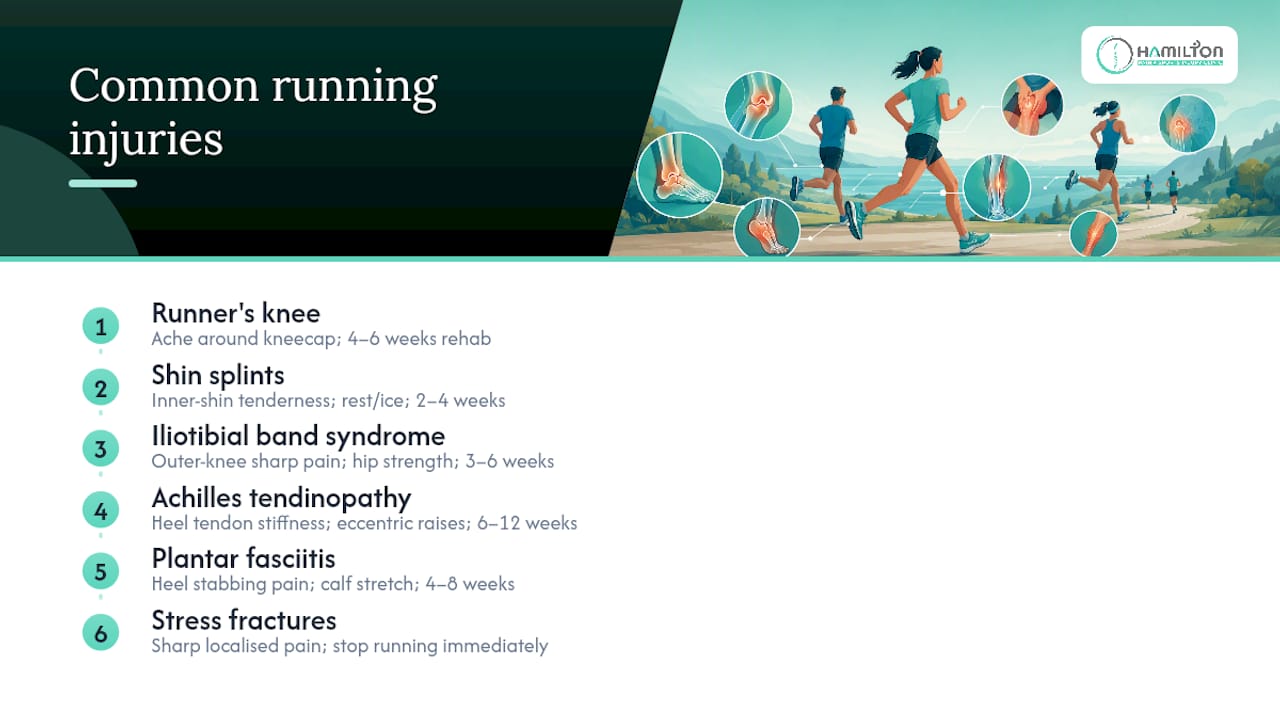
Runner's knee (patellofemoral pain)
You'll feel a dull ache around or behind the kneecap, worse on stairs, squats, or downhill running. It's usually down to weak hips and glutes letting your knee drift inward on each stride, or simply doing too much too soon. Cut back your mileage, ice it after runs, and get stuck into single-leg strength work (think step-ups and lateral band walks). Most cases settle within four to six weeks with consistent rehab. See someone if the knee swells up properly or gives way underneath you.

Shin splints (medial tibial stress syndrome)
A spread of tenderness along the inner shin bone, often sore to the touch and worse at the start of a run. This is a classic overload injury, frequently made worse by a low cadence and heavy heel strike. Rest from impact, ice, and try nudging your step rate up by 5 to 10%, which measurably reduces the loading rates linked to this injury. Expect two to four weeks of reduced load before you're back to normal training. If the pain becomes sharp and pinpoint rather than a dull ache along the bone, get it checked. That can signal something more serious brewing.
Iliotibial band syndrome (ITBS)
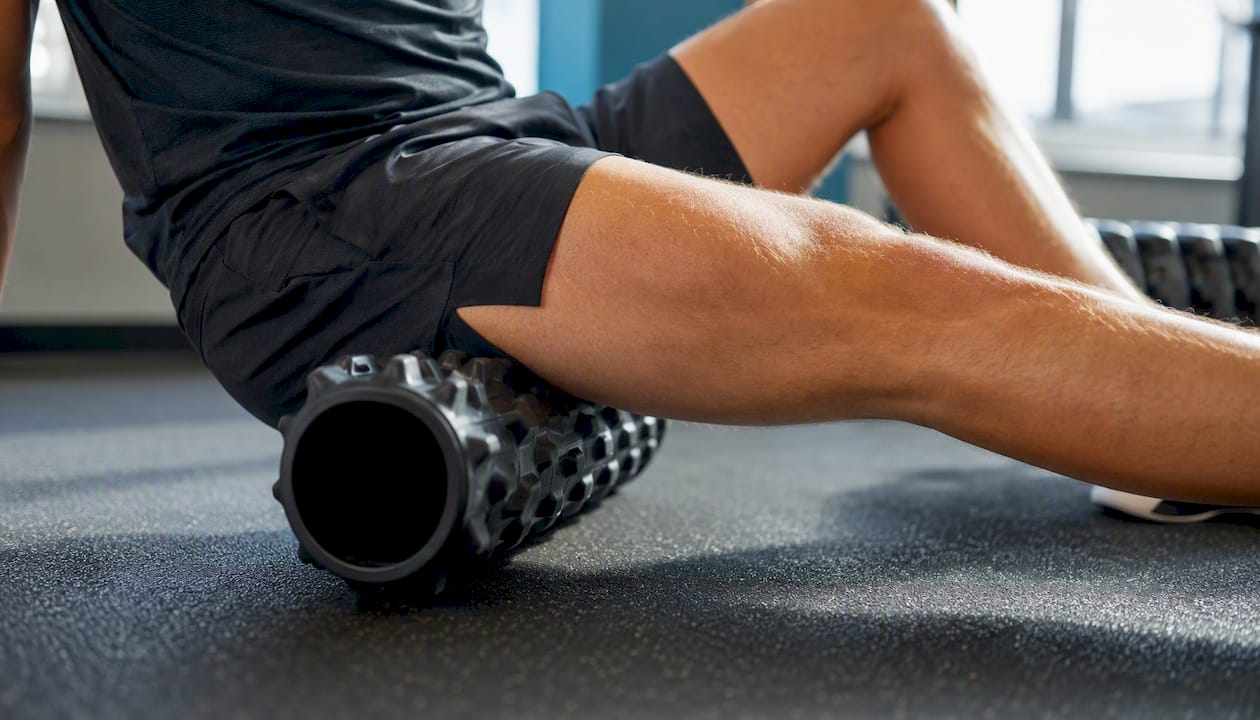
Sharp pain on the outside of the knee, usually kicking in at a predictable distance into every run. Weak hip abductors are almost always the root cause here, letting the leg collapse inward. Reduce downhill running temporarily, foam roll the outer thigh for comfort (not a cure), and load up on hip strength. Improvement typically takes three to six weeks once the real cause, weak hips, gets addressed rather than just the symptom.
Achilles tendinopathy
Stiffness and pain in the tendon just above the heel, often worst first thing in the morning. Sudden increases in speed work or hill running are common triggers. Eccentric calf raises are the gold-standard fix here, outperforming stretching-only approaches by a decent margin. Give it six to twelve weeks minimum. Rushed Achilles rehab is exactly how people end up with a rupture, so don't skip steps here.
Plantar fasciitis
That first-step-out-of-bed stab of pain in your heel is the giveaway. Tight calves and a weak arch are usually behind it, sometimes made worse by unsupportive footwear. Roll the arch on a frozen bottle, stretch the calf, and strengthen the small foot muscles. Give it four to eight weeks. Persistent pain beyond that deserves a proper look.
Stress fractures
This one's sharper and more localised than shin splints, pain that gets worse as you run rather than warming up, and it often hurts even when you're not running. Rapid mileage increases and low bone density are the usual suspects. Stop running immediately. This is not a "run through it" injury. Recovery runs six to twelve weeks and needs imaging to confirm. Persistent night pain or pain that doesn't ease with rest means see someone straight away.
Ankle sprains
Sudden pain, swelling, and instability after rolling the ankle, usually on uneven ground or a bad landing. Rest, ice, compression, and elevation (the old RICE method) in the first 48 hours, then get moving again gently to rebuild balance and strength. Mild sprains settle in two to three weeks; anything with an audible pop or total loss of function needs urgent review.
Hamstring or quadriceps strains
A sudden grabbing or tearing sensation mid-stride, often during sprint work or hill efforts. Poor warm-ups and strength imbalances between the hamstrings and quads are common causes. Rest initially, then gradually reintroduce eccentric strength work. Mild strains need two to four weeks; more severe tears can take considerably longer and deserve a clinical grade assessment.
How do you build a weekly plan that actually prevents injury?
Right, theory's done. Here's what to actually do with your training week:
- Track your weekly mileage and keep increases under 10% week on week
- Do two strength sessions weekly, prioritising single-leg work (step-ups, split squats, calf raises)
- Check your cadence on an easy run every fortnight; nudge it up 5 to 10% if you're a heavy heel-striker
- Build one full recovery day into every week, non-negotiable
- Sleep properly and eat enough. Under-fuelled runners injure more, full stop
For tracking load without any fancy gadgets, a simple training diary works fine. Log your weekly distance, note how each run felt, and watch for creeping fatigue. That's your acute:chronic workload ratio in plain English, comparing this week's effort against your recent average.
Pro Tip: After any symptomatic niggle, don't jump straight back to your old mileage. Rebuild over one to two weeks, and lean on cross-training (cycling, swimming, the mobility and restoration drills that keep you moving without impact) to keep fitness ticking over while tissue heals.
When should you see a clinician about a running injury?
Get assessed if you notice sharp, localised bone pain that worsens with every footstrike, swelling that hangs around past 48 hours, numbness or weakness, a sudden pop with loss of function, or simply no improvement after two weeks of reduced training. A clinician will take a history, test movement and strength, and image the area if bone stress is suspected. Bring your training diary. Most overuse injuries respond well to physio-led, conservative care, no scalpel required.
How does a sports injury clinic assess a running injury?
A proper assessment starts with your training history (what changed, and when), then moves into strength and movement testing to spot the weak links, followed by a load analysis to work out what your body can currently handle. From there, treatment might include manual therapy, shockwave or laser therapy for stubborn tendon issues, targeted strength programmes, gait and cadence coaching, an orthotics check, and a proper return-to-run plan rather than a vague "see how it feels".
Pro Tip:..*
Why targeted strength work stops injuries coming back
Here's what most runners get wrong: they rehab the injury, not the reason it happened. Individualised strength work, particularly single-leg control, fixes the instability that caused the problem in the first place, not just the symptom sitting on top of it. Skip that step and you're just booking your next injury in advance.
Where can runners get help with a persistent injury?
If you've read this far because something's been niggling for weeks, here's the honest truth: self-treating with rest and hope only gets you so far. Sportsinjurydublin builds individualised plans rather than generic protocols, which matters enormously with running injuries because two runners with "shin splints" can have completely different underlying causes.

The clinic's sports rehabilitation service covers everything from manual therapy and dry needling to shockwave and laser therapy for stubborn tendon problems, alongside tailored strength programmes and gait coaching built around your actual training load, not a generic leaflet. If you're coming back from a stress fracture or a serious strain, the structured return-to-sport rehabilitation pathway gets you running again without the setback loop so many runners fall into. Book an assessment, bring your training diary, and find out what's actually going on before it becomes a bigger problem.
Sources
- Running-related musculoskeletal injuries (prevalence study)
- Role of strength and neuromuscular control in running injuries (Ferber et al.)
This article is general information, not a substitute for advice from a qualified doctor. Consult a qualified healthcare professional about your own circumstances before acting on anything here.