

Increasing your running cadence moderately above your personal baseline is one of the most effective, evidence-backed ways to reduce injury risk. Not by buying new trainers, not by foam rolling for an hour after every run (though, no judgement). Simply taking more steps per minute. Running cadence, measured in steps per minute (SPM), generally varies among runners, with recreational runners having a lower cadence than many elite runners. A 2025 systematic review found that a 5.7% cadence increase over 12 weeks produced meaningful biomechanical improvements, including reduced impact forces and better lower-limb alignment. The injuries most commonly linked to low cadence include patellofemoral pain syndrome (runner's knee), tibial stress fractures, and medial tibial stress syndrome (shin splints).
The biomechanical benefits of a higher cadence include:
- Reduced vertical ground reaction forces
- Shorter ground contact time
- Less overstriding, with foot strikes landing closer to your centre of mass
- Lower braking forces on each step
- Improved knee and hip joint alignment
How does cadence actually affect your running biomechanics?
Cadence is simply the number of steps you take per minute, and it has a surprisingly large knock-on effect on almost every other aspect of how you run. When your cadence is low, you tend to overstride, meaning your foot lands well ahead of your hips. That creates a braking force with every step, like putting your hand out of a car window at speed. Not ideal.
Increasing cadence shortens your stride length and pulls your foot strike back underneath your body. This reduces braking forces and lowers vertical oscillation, which is the up-and-down bounce that wastes energy and hammers your joints. Ground contact time drops too, which is generally a good thing for both efficiency and load management.
The effects on your joints are worth knowing about:
- Knee: Moderate cadence increases lower energy absorption per stride
- Hip: Reduced peak hip adduction angle, which matters for tibial stress fracture risk
- Patellofemoral joint: Lower contact forces with higher cadence
- Foot strike: Higher cadence often shifts runners from rearfoot to midfoot striking naturally, without conscious effort
Pro Tip: Don't obsess over your foot strike pattern separately. Research from Stanford suggests that simply increasing cadence tends to shift your strike pattern in a beneficial direction on its own.
One thing worth flagging: a forefoot strike reduces loading rates but can increase stress on the Achilles tendon and plantar fascia. So if you have a history of Achilles issues, biomechanics in youth sports research reminds us that individual anatomy always needs to factor into gait decisions. No one-size-fits-all here.
What does the science actually say about cadence and injury risk?
The evidence linking cadence adjustment to injury prevention is genuinely solid, and it keeps getting stronger. An outdoor running study found that increasing cadence by an average of 7% produced a concurrent decrease in peak impact force of 5.6%, measured during a 2.4-mile run using wearable insoles and a GPS watch. Participants achieved this in a single session using a metronome. One session.
Observational research links low step rate with greater injury risk in competitive runners, particularly for tibial stress fractures. Meanwhile, cadence retraining studies show that shortening stride length and repositioning foot strikes closer to the centre of mass reduces loading rates and braking forces, which directly corresponds to fewer overuse injuries.
The injuries most affected by cadence modification include:
- Patellofemoral pain syndrome (runner's knee): Cadence retraining reduces patellofemoral stress by lowering contact forces at the joint
- Tibial stress fractures and shin splints: Higher cadence decreases peak hip adduction angle, a key risk factor; shin splints are closely tied to high impact loading
- Medial tibial stress syndrome: Lower vertical loading rates reduce cumulative tibial stress
- Plantar fasciitis and Achilles tendinopathy: Associated with high impact forces that cadence modification can dampen
One nuance worth mentioning: studies show that moderate cadence increases maintain or even slightly improve running economy. So you're not trading injury resilience for fitness. That's a genuinely good deal.
"Cadence is the most modifiable and accessible biomechanical variable available to runners. Unlike foot strike or hip mechanics, it can be changed immediately with simple auditory feedback, and the benefits show up within a single session." This perspective, shared across clinical biomechanics literature, reflects why cadence has become a central focus in running injury prevention programmes.
How to safely increase your cadence without getting hurt
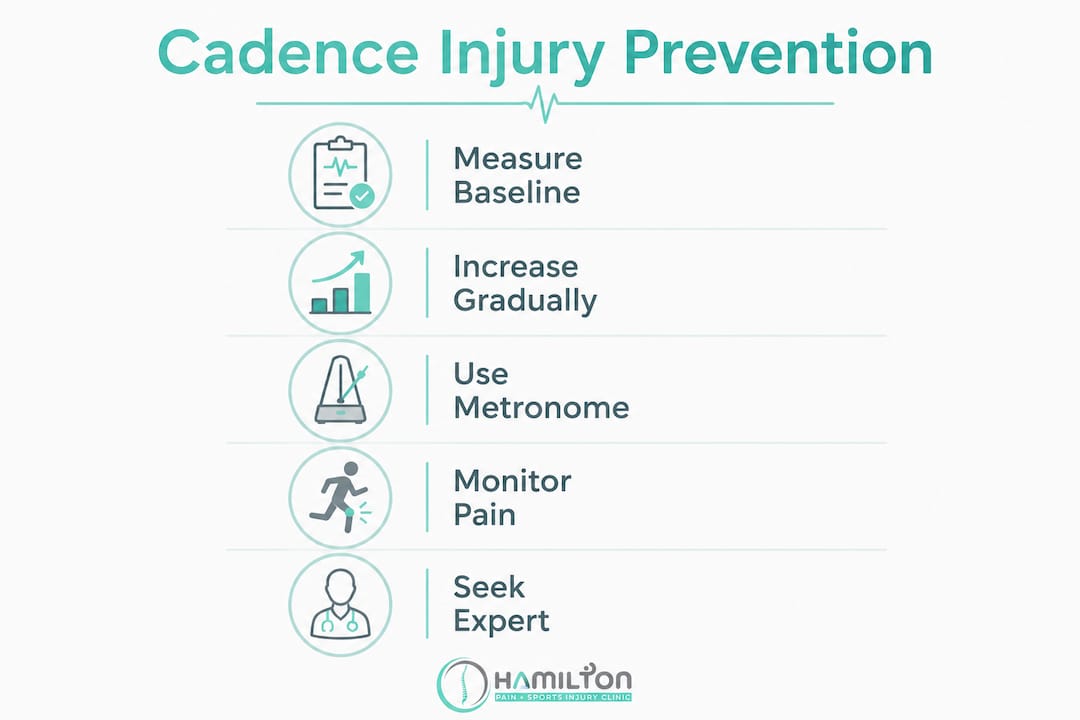
Here's the thing: the research is clear that abrupt, large cadence jumps cause problems. Going from 155 SPM to 180 SPM overnight is a recipe for neuromuscular strain and a whole new set of injuries. The sweet spot, backed by the evidence, is a gradual 5–10% increase above your current baseline.
Practical steps for safe cadence adjustment:
- Find your baseline first. Run at your normal easy pace for five minutes and count your steps. Most GPS watches (Garmin, Polar, Apple Watch) display cadence in real time, so you don't even need to count manually.
- Set a target 5–10% above baseline. For example, if you run at 160 SPM, aim for 168–176 SPM. Don't jump straight to 180.
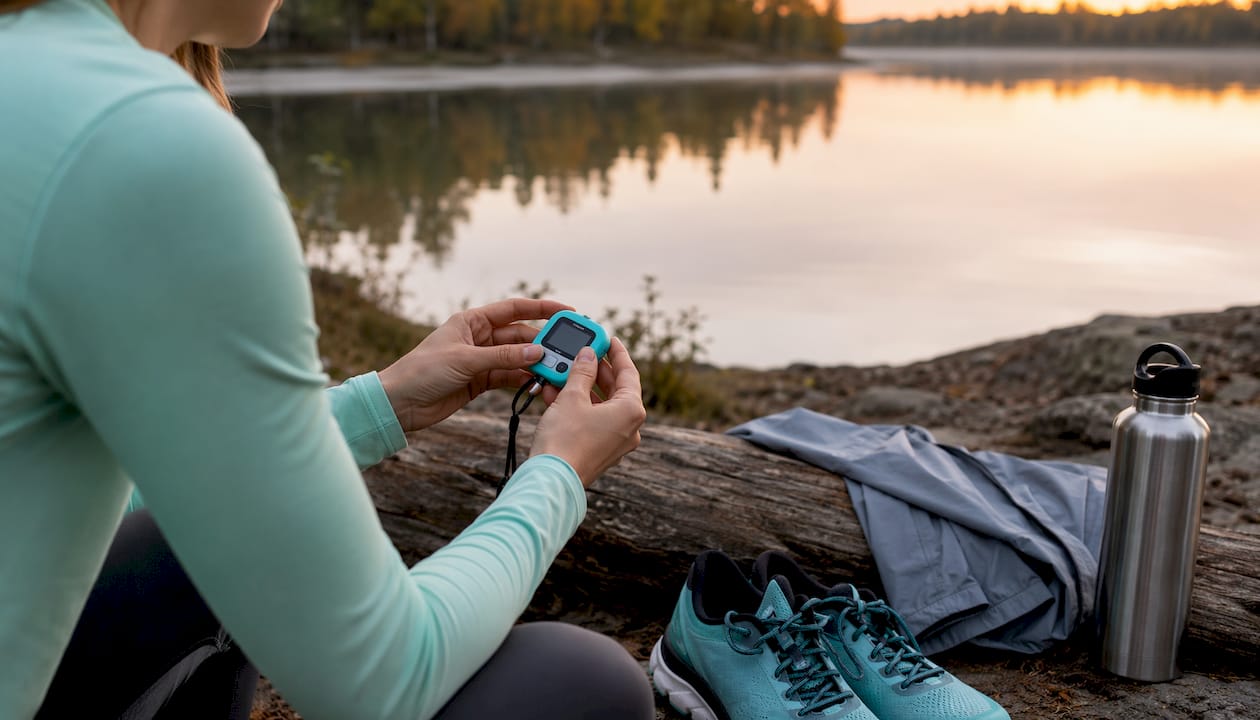
- Use a metronome app. Apps like Metronome Beats or the built-in cadence coaching on Garmin Connect let you set a target beat and run to it. Research confirms metronomes produce immediate cadence changes in outdoor settings.
- Apply the new cadence for short blocks. Try 5-minute cadence-focused intervals within a longer run, then return to your natural rhythm. This is how neuromuscular adaptation actually works.
- Progress slowly. Spend two to three weeks at each new cadence level before nudging it higher.
Pro Tip: Treat cadence retraining like learning a new motor skill, not just adjusting a setting. Use the metronome for short focused blocks, then run by feel. The goal is for the new rhythm to become automatic, not something you consciously manage on every run.
Increases above 10% tend to have diminishing returns and can increase perceived exertion without adding biomechanical benefit. Bigger is not better here. Pair your cadence work with strength training for runners, because cadence alone cannot compensate for weak glutes or poor hip stability. The two work together.
Expert perspectives on getting cadence right for you
One thing clinicians at Sportsinjurydublin and biomechanics researchers consistently agree on: there is no magic number. The "180 SPM rule" you've probably seen plastered across running forums is a benchmark observed in some elite runners, but jumping directly to 180 SPM from a low baseline causes muscle strain and is rarely necessary. Your individual baseline plus 5–10% is both safer and more effective.
"The goal isn't to hit a specific number. It's to minimise the joint 'thudding' you feel on each stride while keeping your running feeling efficient and natural. For most runners, that happens well below 180 SPM." This is the clinical framing that shapes how Sportsinjurydublin approaches cadence retraining: personalised, gradual, and always grounded in how the individual runner actually moves.
Cadence sits within a triad of modifiable factors alongside foot strike pattern and muscular strength. Clinicians note that cadence is the most accessible of the three because it responds immediately to auditory feedback, whereas changing foot strike or building hip strength takes considerably longer. That said, cadence alone won't fix everything. Poor core stability and hip alignment need addressing through targeted strength work alongside any gait retraining.
Patient adherence is also a real consideration. Runners who treat cadence as a skill to develop, rather than a metric to chase, tend to adapt more sustainably. Short metronome sessions followed by rhythm running by feel produce better long-term outcomes than trying to consciously maintain a beat for an entire hour-long run. Metabolic cost stays manageable with moderate increases, which helps runners stick with the change rather than abandoning it because it feels exhausting.
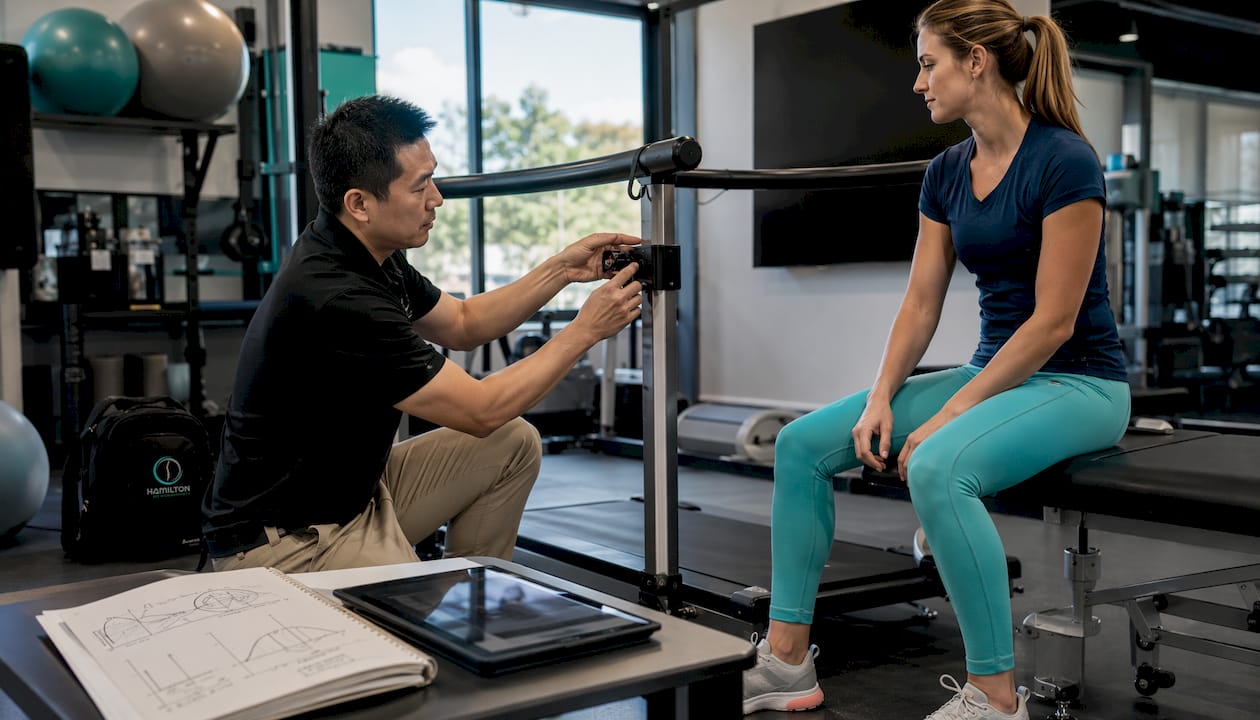
If you're dealing with a persistent running injury or want a proper gait assessment before changing your cadence, sports rehabilitation at Sportsinjurydublin offers individualised analysis and retraining support. No generic protocols, no guesswork.
Key takeaways
A 5–10% increase in running cadence above your personal baseline reduces impact forces, lowers overuse injury risk, and improves biomechanical alignment without meaningfully increasing metabolic cost.
| Point | Details |
|---|---|
| Target a 5–10% cadence increase | A 5.7% increase over 12 weeks produced significant biomechanical improvements in a 2025 systematic review. |
| Metronomes work outdoors | A 7% cadence increase using a metronome reduced peak impact force by 5.6% in a single outdoor session. |
| Key injuries affected | Patellofemoral pain, tibial stress fractures, and shin splints all respond to cadence retraining. |
| Avoid large jumps | Increases above 10% show diminishing returns and can raise perceived exertion without added benefit. |
| Cadence needs strength support | Cadence retraining alone cannot compensate for poor core stability or hip alignment. |