
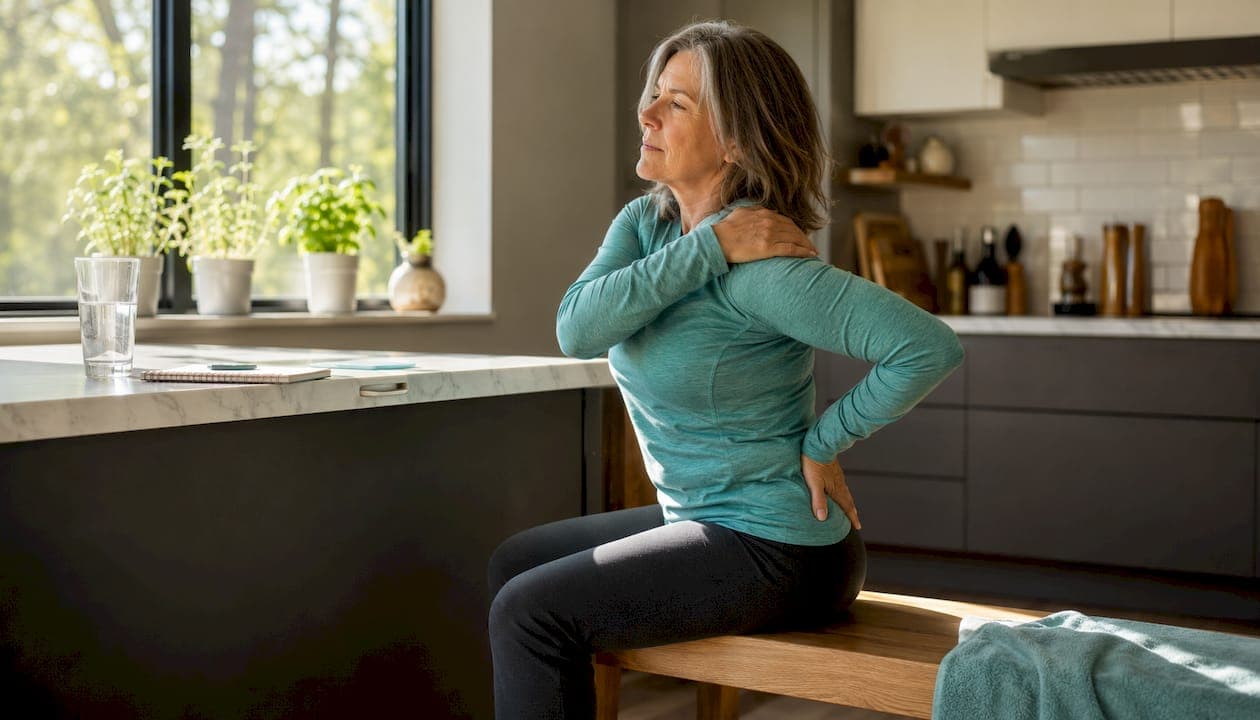
A flare-up is not a sign you've failed at managing your pain. It's a temporary spike beyond your usual baseline, and knowing exactly what to do when one hits makes all the difference between a two-day blip and a two-week nightmare.
Table of Contents
- What are chronic pain flare-ups and how do you start recovering?
- What commonly triggers a chronic pain flare-up?
- How to prepare for and manage a flare-up effectively
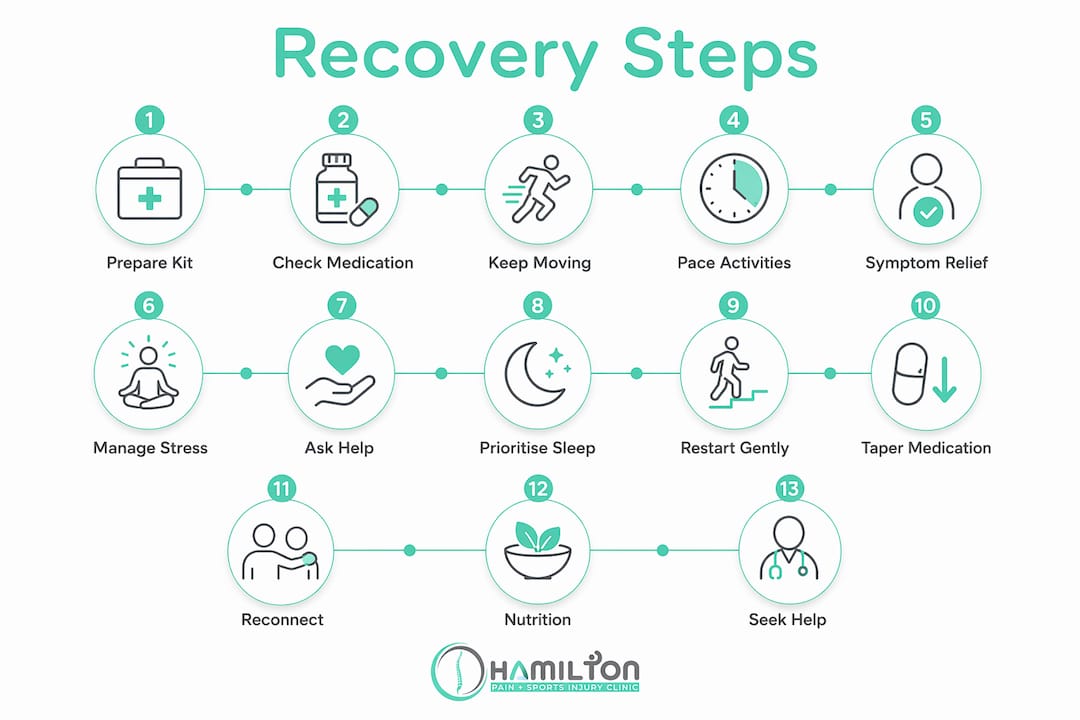
- 1. Build a flare-up first aid kit before you need it
- 2. Sort your medication before a flare hits
- 3. Keep moving, even just a little
- 4. Pace your activities rather than stopping entirely
- 5. Use heat, cold, and TENS for symptom relief
- 6. Manage stress and your emotional response
- 7. Communicate clearly and ask for help
- 8. Prioritise sleep without oversleeping during the day
- Gradual recovery steps after a flare-up eases
- 9. Restart activity very gently
- 10. Taper medication back to your baseline
- 11. Reconnect socially and emotionally
- 12. Support recovery with food and hydration
- 13. Know when to seek professional help
- A personalised, whole-person approach to flare-up recovery
- Sportsinjurydublin offers personalised care for chronic pain recovery
- Key takeaways
What are chronic pain flare-ups and how do you start recovering?
A chronic pain flare-up is a sudden increase in pain intensity beyond your typical day-to-day level, often appearing immediately or within 24 hours of a trigger. Crucially, it does not mean your underlying condition is getting worse. Think of it as your nervous system having a bit of a wobble rather than a structural disaster.
The core recovery steps, in brief:
- Recognise what's happening and remind yourself it will pass
- Review your medication schedule and avoid missed doses
- Keep moving gently rather than taking to bed completely
- Apply heat or cold therapy, or try a TENS machine
- Pace your activities rather than pushing through or stopping entirely
- Use relaxation and breathing techniques to calm the nervous system
- Reach out to someone you trust for practical support
What commonly triggers a chronic pain flare-up?
Flare-ups rarely have a single, obvious cause. More often they result from a combination of factors stacking up at once, which is why they can feel so random and frustrating.
Common triggers include:
- Physical overactivity or doing too much on a "good" day
- Stress, anxiety, or emotionally difficult conversations
- Poor or disrupted sleep
- Weather changes, particularly cold or damp conditions
- Infections, illness, or post-surgical recovery
- Missed or inconsistent medication doses
The sneaky one on that list is overactivity on good days. You feel brilliant, you crack on, and then two days later you're floored. Sound familiar? Keeping an activity diary is genuinely one of the most useful things you can do here. It reveals the patterns between what you did and when the pain spiked, which gives you something concrete to work with rather than just feeling like your body is randomly betraying you.
How to prepare for and manage a flare-up effectively
1. Build a flare-up first aid kit before you need it
When pain is severe, decision-making goes out the window. Preparing a flare-up kit during a calm period means you're not hunting for a heat pad at 2am while in agony. Stock it with heat pads, a TENS machine (available from most chemists), a favourite film or playlist, easy snacks, and a written copy of your coping plan.
2. Sort your medication before a flare hits
Check your medication schedule and make sure you haven't run out. Paracetamol and ibuprofen are common over-the-counter options used as standard medications during flare-ups if not contraindicated. Never adjust prescription doses without speaking to your GP first, and set up a repeat prescription so you're never caught short.
3. Keep moving, even just a little
Prolonged bed rest beyond 48 hours can actually worsen stiffness and slow your recovery. The goal is gentle, familiar movement: slow stretches, position changes every hour, a short walk around the house. Activity is not the enemy here. Combine movement with relaxed breathing and you're also helping to calm the nervous system at the same time.
4. Pace your activities rather than stopping entirely
Pacing means cutting back, not cutting out. Break tasks into smaller chunks, stop before you hit your limit rather than after, and take shorter, more frequent rests. This approach prevents the classic boom-and-bust cycle where you overdo it, crash, rest too long, then overdo it again. Understanding pain management techniques like pacing is one of the foundations of long-term flare management.
5. Use heat, cold, and TENS for symptom relief
Heat reduces muscle tension and improves circulation to the painful area. Cold can reduce localised inflammation. A TENS machine offers a non-pharmacological alternative that works well for some people, particularly for back and joint pain. Try each and see what your body responds to, because there's no universal answer here.
6. Manage stress and your emotional response
Fear and frustration during a flare-up genuinely worsen pain perception. Emotional states like helplessness increase muscle tension, which feeds directly back into the pain cycle. Mindfulness, breathing exercises, and compassionate self-talk interrupt that loop. Replace "this will always be this bad" with "I've had flare-ups before and I've got through them."
Pro Tip: Write yourself a short letter during a calm period, reminding your future flare-up self that it will pass and listing what has helped before. Reading it mid-flare is surprisingly grounding.
7. Communicate clearly and ask for help
Reaching out during a flare-up prevents isolation and reduces the mental load of managing everything alone. Tell your family or a close friend specifically what you need, whether that's a meal, company, or just someone to check in. Vague hints rarely get you the support you actually need.
8. Prioritise sleep without oversleeping during the day
Good sleep is critical for pain recovery, but sleeping through the day to avoid pain tends to wreck your night-time rest. Keep daytime rest short and frequent rather than long and deep. Use relaxation techniques at bedtime, keep the room cool and dark, and avoid screens for an hour before sleep if you can manage it.
Gradual recovery steps after a flare-up eases
9. Restart activity very gently
Once the worst has passed, resist the urge to catch up on everything you missed. Start with familiar, non-strenuous movements and stretches, then build incrementally from there. Increasing activity gradually day by day, rather than jumping straight back to your pre-flare level, prevents a quick relapse. Gentle strength training is particularly useful at this stage for rebuilding confidence and capacity without overloading the system.
10. Taper medication back to your baseline
If you increased your medication during the flare, reduce it gradually back to your usual level as pain settles. Don't stop abruptly. Do this in conversation with your GP, especially if prescription medications are involved.
11. Reconnect socially and emotionally
Withdrawing from people during a flare is understandable, but reconnecting afterwards matters for your recovery. Prioritise something enjoyable, not just catching up on chores. A coffee with a friend, a walk outside, or even a phone call counts. Social connection genuinely supports pain recovery, not just mood.
12. Support recovery with food and hydration
Nutrition and hydration influence how quickly you bounce back. Balanced meals with adequate vitamins and minerals support the body's recovery processes, and staying well hydrated helps with energy and inflammation. Nothing fancy required, just regular meals and enough water.
Pro Tip: After a flare settles, spend ten minutes writing down what triggered it, what helped, and what you'd do differently. This reflection turns a rough experience into genuinely useful data for your next flare-up plan.
13. Know when to seek professional help
Most flare-ups follow your usual pattern. But if you notice new or unusual symptoms, pain that behaves differently from your normal flare, or symptoms associated with a new injury, contact your GP or a specialist physiotherapist. Write down how the new pain differs from your usual symptoms before the appointment. It makes the conversation much more productive.
A personalised, whole-person approach to flare-up recovery
Relying on medication alone during a flare-up rarely delivers the best outcome. Integrated multimodal care combining physical therapy, psychological support, lifestyle adjustments, and appropriate medication consistently outperforms single-treatment approaches.
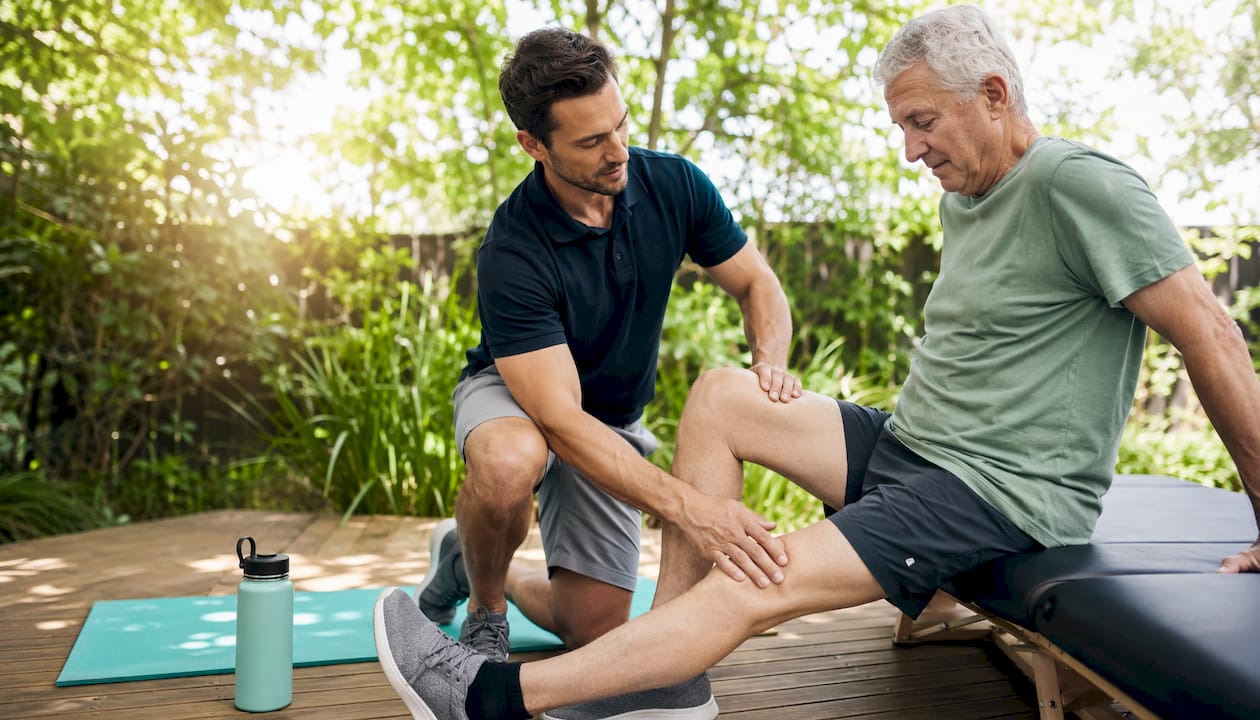
Physical therapy plays a real role here. Movement therapies including posture correction, gentle strength work, and guided stretching help rebuild function after a flare without triggering another one. Posture habits in particular are often overlooked as a contributing factor to flare frequency.
Psychological tools matter just as much. Cognitive restructuring, self-compassion practices, and relaxation techniques all reduce the fear response that amplifies pain. Keeping an activity diary and a written flare-up plan puts you back in the driving seat rather than feeling like pain is something that just happens to you.
"Flare-ups are a normal part of chronic pain. You have been here before and it will settle down again. With preparation and planning they can become less frequent, less intense, or last for a shorter time. Perhaps more importantly, you will become better at dealing with them, however they are." — Royal Devon NHS Trust
Sportsinjurydublin offers personalised care for chronic pain recovery
Living with chronic pain flare-ups is hard enough without generic advice that doesn't account for your specific situation. Sportsinjurydublin takes a different approach: every person who walks through the door at Hamilton Pain and Sports Injury Clinic gets a treatment plan built around their lifestyle, activity level, and pain patterns, not a one-size-fits-all protocol.
Whether you're managing recurring back pain flare-ups or working through a broader chronic pain condition, the clinic combines hands-on physical therapy with practical self-management strategies to help you recover faster and flare less often. The team also offers dedicated recovery sessions designed specifically to support healing between and after flares. If you're ready to stop just surviving flare-ups and start managing them properly, book a session with Sportsinjurydublin today.
Key takeaways
Effective chronic pain flare-up recovery requires recognising the flare early, managing it with pacing and appropriate medication, and returning to activity gradually with professional support where needed.
| Point | Details |
|---|---|
| Flare-ups are temporary | A flare-up is a pain spike beyond your baseline, not a sign your condition is worsening. |
| Avoid prolonged bed rest | Staying in bed beyond 48 hours increases stiffness and slows recovery; gentle movement every hour helps. |
| Pacing prevents boom-and-bust | Cut back activity during a flare, but never cut it out entirely; incremental return prevents relapse. |
| Multimodal care works best | Combining medication, physical therapy, and stress management outperforms any single treatment approach. |
| Sportsinjurydublin | Offers personalised recovery sessions and pain treatment plans tailored to your lifestyle and flare-up patterns. |