
Pain recovery isn't a myth. Real people, with real chronic pain, have turned things around completely — and the stories below prove it's possible across a surprising range of conditions and timelines.
Here's a quick snapshot of what genuine recovery looks like in practice:
- A musician ended a 30-year battle with chronic back pain after eight weeks of Pain Reprocessing Therapy (PRT), delivered via weekly telehealth sessions
- A contractor with eleven years of post-surgical back pain reached pain-free status at month fourteen using neuroplasticity-based methods
- A patient with a rare spinal condition regained daily function through a multidisciplinary team coordinated by his primary care physician
- Patients using neuroplasticity-based therapies have reported near-total symptom reduction after decades of persistent pain
"Pain is not a chronic disease to be managed. It's a condition you can recover from. Your brain can unlearn the pain by going through this treatment protocol." — Dr. Yoni Ashar, CU Anschutz
The common thread? These aren't flukes. They reflect a shift in how we understand pain itself.
Table of Contents
- Real UK patient stories showing what pain recovery actually looks like
- What strategies actually work? The evidence behind successful recovery
- How mindset and support systems shape your recovery
- Expert insights and case studies from Hamilton Pain and Sports Injury Clinic
- Sportsinjurydublin offers a genuinely personal path through pain
- Key takeaways
Real UK patient stories showing what pain recovery actually looks like
Pain recovery success stories from the UK share a pattern: they rarely go in a straight line, and the turning point is rarely what the patient expected.
1. Martin's story: chronic spinal pain and a team that changed everything
Martin was living with Adhesive Arachnoiditis, a rare neurological condition causing severe, daily spinal pain. He'd worked with specialists for years without finding lasting relief. The shift came when his nurse practitioner explained the value of coordinated, team-based care rather than isolated specialist appointments.
Within weeks, his primary care physician had assembled a team: a pharmacist, neurologist, orthopaedist, gastroenterologist, counsellor, and home care nurse. All talking to each other. All knowing his case.
"Having a team of specialists who all talk to each other and know my case has been life-changing. They are all so proactive, suggesting new strategies that can help improve my quality of life." — Martin Costa, Southcoast Health
Martin still has pain sometimes. But he knows how to manage it safely, and that confidence is its own kind of recovery.
2. Gary's story: 30 years of back pain gone in eight weeks
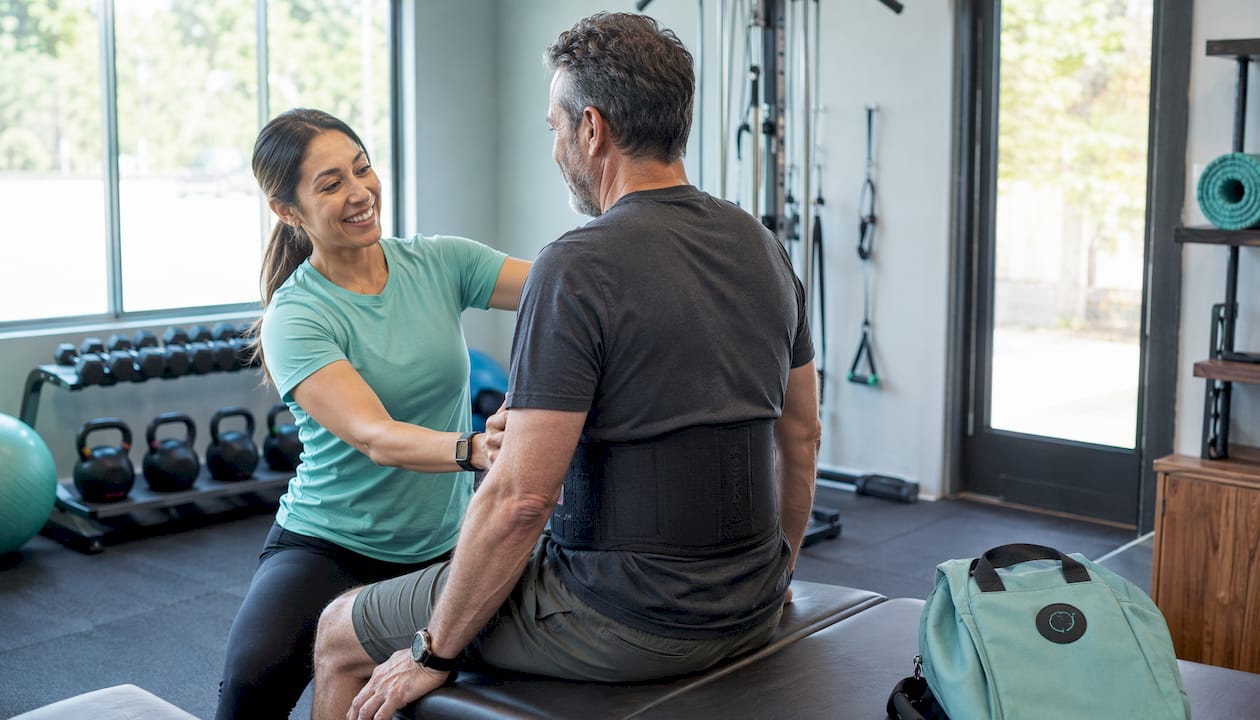
Gary Greenspan, a professional drummer, woke up every morning with back pain he rated eight out of ten. He'd tried chiropractors, acupuncture, yoga — nothing stuck. Then he joined a clinical trial at CU Anschutz exploring Pain Reprocessing Therapy.
By session four, his pain was gone. By week eight, he understood how his beliefs and emotional patterns had been amplifying the signals. A year later, he's back playing gigs with no trepidation, no spasms, no tightness.
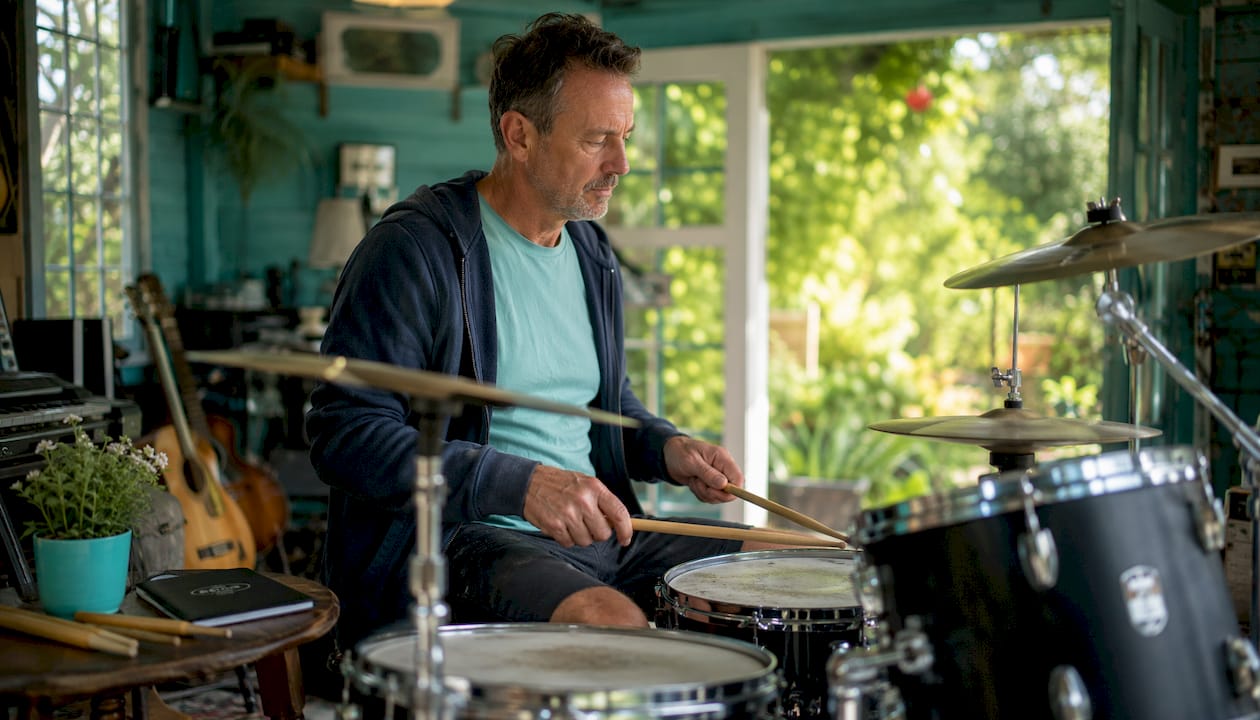
He did have one flare, after a charged conversation with a family member. His response? Breathing, relaxation, and a reminder that there was no structural reason for the pain. Five minutes later, it passed.
3. The extinction burst: when things get worse before they get better
One of the most misunderstood moments in pain recovery is the temporary spike that can occur early in treatment. Clinically, this is sometimes called an extinction burst: the nervous system's last-ditch attempt to reinforce a pain pattern before it fades.
Marcus (a composite drawn from documented PRT recovery cases) experienced exactly this at month three. His pain jumped from a level four to an eight, in a new location, radiating in a way it never had before. He nearly called the pain clinic. Instead, he found information about extinction bursts, waited two weeks, and watched his pain drop back to a four.
By month fourteen, he was pain-free. Not flare-free — pain-free. He'd framed a deck, set tile, and hiked the Grand Canyon without a back brace.
The lesson here is genuinely important: a temporary worsening, when tissue has healed, is often a sign of progress, not relapse.
What strategies actually work? The evidence behind successful recovery
The research on effective pain recovery techniques points in a consistent direction: no single approach works alone, but certain combinations produce remarkable results.
- Pain Reprocessing Therapy (PRT): In a University of Colorado Boulder study, 66% of chronic back pain participants became pain-free or nearly pain-free after four weeks of treatment, with effects sustained long-term. The mechanism? Shifting from a mechanical model of pain to a neuroplastic one, where patients learn to track sensations without fear.
- Multidisciplinary care: Team-based approaches coordinating primary care, physiotherapy, pharmacists, and counsellors consistently outperform specialist-only treatment, particularly for complex or long-standing pain.
- Exercise and movement: NHS guidelines consistently recommend gentle, non-avoidant activity — walking, swimming, stretching — as foundational to breaking the pain-anxiety-inactivity cycle.
- Adjunctive therapies: Heat, cold, and massage facilitate movement and reduce acute discomfort, but they work best as preparation for rehabilitative exercise rather than as standalone treatments.
- Cognitive Behavioural Therapy (CBT): Helps patients reframe how they think about pain, reducing fear-avoidance behaviour and improving engagement with recovery.
- Somatic tracking: Observing pain sensations non-judgementally, without catastrophising, accelerates recovery by reducing the fear response that amplifies chronic signals.
| Approach | Best suited for | Evidence strength |
|---|---|---|
| Pain Reprocessing Therapy | Chronic pain with no structural cause | High (RCT evidence) |
| Multidisciplinary team care | Complex or long-standing conditions | High (clinical consensus) |
| Gentle aerobic exercise | Most chronic pain types | High (NHS-endorsed) |
| CBT / psychological therapy | Fear-avoidance, anxiety-driven pain | Moderate to high |
| Heat / massage / TENS | Acute pain, pre-exercise preparation | Moderate (adjunctive) |
Pro Tip: If you've been told your scans "look fine" but you're still in significant pain, that's not a dead end. It's actually a strong indicator that neuroplastic approaches like PRT could be exactly what you need.
How mindset and support systems shape your recovery
Here's something that doesn't get said enough: your psychological state during recovery isn't a soft add-on. It's a clinical variable.
NHS guidance is clear that breaking the feedback loop between pain, anxiety, sleep deprivation, and muscle tension is foundational to long-term improvement. Sleep and gentle activity aren't just lifestyle tips — they're the starting point.
"I know so many people that live with pain, and most want to take a pill and make it go away. The process wasn't easy, but the results are unbelievable. There's data, and it works. I'm living proof." — Gary Greenspan
Supportive measures that consistently appear in successful pain management stories:
- Accepting that flare-ups may occur, without interpreting them as failure
- Enlisting family or friends who understand what support actually looks like
- Focusing on functional improvement rather than complete pain elimination as the initial goal
- Avoiding isolation, which tends to amplify pain perception
- Working with a psychologist or counsellor alongside physical treatment
The mindset shift that matters most? Moving from "something is broken in my body" to "my nervous system has learned this pattern, and it can unlearn it." That reframe, backed by chiropractic and neuroplastic research, is often the hinge point in inspiring pain recovery journeys.
Expert insights and case studies from Hamilton Pain and Sports Injury Clinic
Hamilton Pain and Sports Injury Clinic, operating under the Sportsinjurydublin brand, takes a deliberately individualised approach to pain recovery — which is exactly what the evidence supports.
What that looks like in practice:
- Personalised treatment plans that account for activity level, occupation, and lifestyle rather than applying a standard protocol
- Integration of movement therapies, manual techniques, and where appropriate, shockwave and laser therapy to support tissue recovery and enable rehabilitative exercise
- A focus on restoring functional movement, not just reducing pain scores
- Clients reporting significant improvements, with some achieving full recovery after a single session
The clinic works with everyone from elite athletes to people who simply want to walk to the shops without wincing. That range matters, because pain doesn't discriminate, and neither should treatment.
Pro Tip: Ask your clinician specifically how your treatment plan accounts for your daily activity level. A plan built around your life is far more likely to stick than one built around a textbook.
Sportsinjurydublin offers a genuinely personal path through pain
If the stories in this article resonate with you, here's the honest next step: not every clinic approaches pain recovery the way the evidence suggests it should be approached.
Sportsinjurydublin, through Hamilton Pain and Sports Injury Clinic, offers something that's rarer than it should be: treatment built around you, not a protocol. Whether you're dealing with a sports rehabilitation need or persistent pain that's defied explanation, the clinic's individualised approach considers your lifestyle, your activity level, and your specific recovery goals from the first appointment.
Clients regularly report meaningful improvements after just one session. That's not a marketing claim — it's the result of treating people as individuals rather than diagnoses. If you're ready to stop managing pain and start recovering from it, book a session with Sportsinjurydublin and find out what a genuinely personalised plan feels like.
Key takeaways
Successful pain recovery is achievable across a wide range of conditions when treatment combines neuroplastic approaches, multidisciplinary care, and consistent lifestyle support.
| Point | Details |
|---|---|
| PRT delivers lasting results | 66% of chronic back pain patients became pain-free or nearly so in a University of Colorado Boulder trial. |
| Multidisciplinary care outperforms solo treatment | Coordinated teams covering physio, pharmacists, and counsellors achieve better outcomes for complex pain. |
| Mindset is a clinical variable | Breaking the pain-anxiety loop through sleep, gentle activity, and psychological support is foundational to recovery. |
| Extinction bursts signal progress | A temporary pain spike during recovery often indicates nervous system adaptation, not relapse. |
| Sportsinjurydublin | Hamilton Pain and Sports Injury Clinic offers individualised treatment plans with clients reporting significant improvements, often after a single session. |