
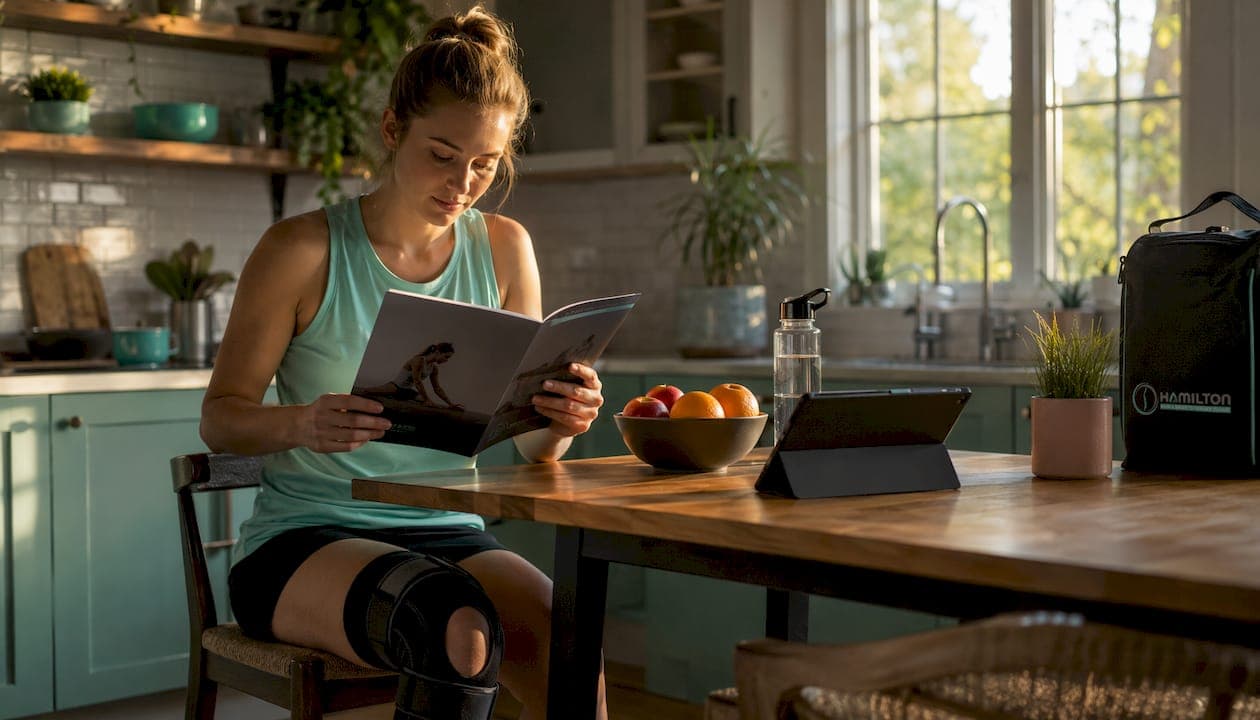
Your lifestyle isn't just a backdrop to your recovery. It's the engine driving it. Whether you've tweaked a hamstring, had surgery on your knee, or are grinding through a stress fracture, the choices you make every single day, what you eat, how you sleep, how you move, and how you manage your head space, directly shape how fast and how well your body heals.
The evidence is pretty clear on this. Lifestyle factors like nutrition, sleep, physical activity, and psychological wellbeing aren't optional extras you bolt on when you're feeling motivated. They're the biological foundations of tissue repair. Get them right and you genuinely accelerate recovery. Get them wrong and you're fighting your own body.
Here's a quick snapshot of what the research consistently points to:
- Protein, leucine, and key micronutrients like vitamin C and zinc are the raw materials your body uses to rebuild damaged tissue.
- quality sleep lasting several hours each night each night supports cell regeneration and immune function, both of which are non-negotiable for healing.
- Gentle, consistent movement during recovery promotes circulation and prevents muscle atrophy, even when you can't train properly.
- Psychological wellbeing, specifically stress management and mindfulness, lowers cortisol and reduces excessive inflammation.
- Smoking and alcohol both actively impair healing and should be avoided during recovery.
- Combining multiple healthy habits produces better outcomes than focusing on just one in isolation.
Right, let's get into the detail.
How nutrition and macronutrients drive injury recovery
Food is medicine when you're injured. That's not a metaphor; it's physiology. Your body needs more calories and more nutrients during recovery than it does during normal training, and if you're not feeding it properly, you're slowing yourself down.
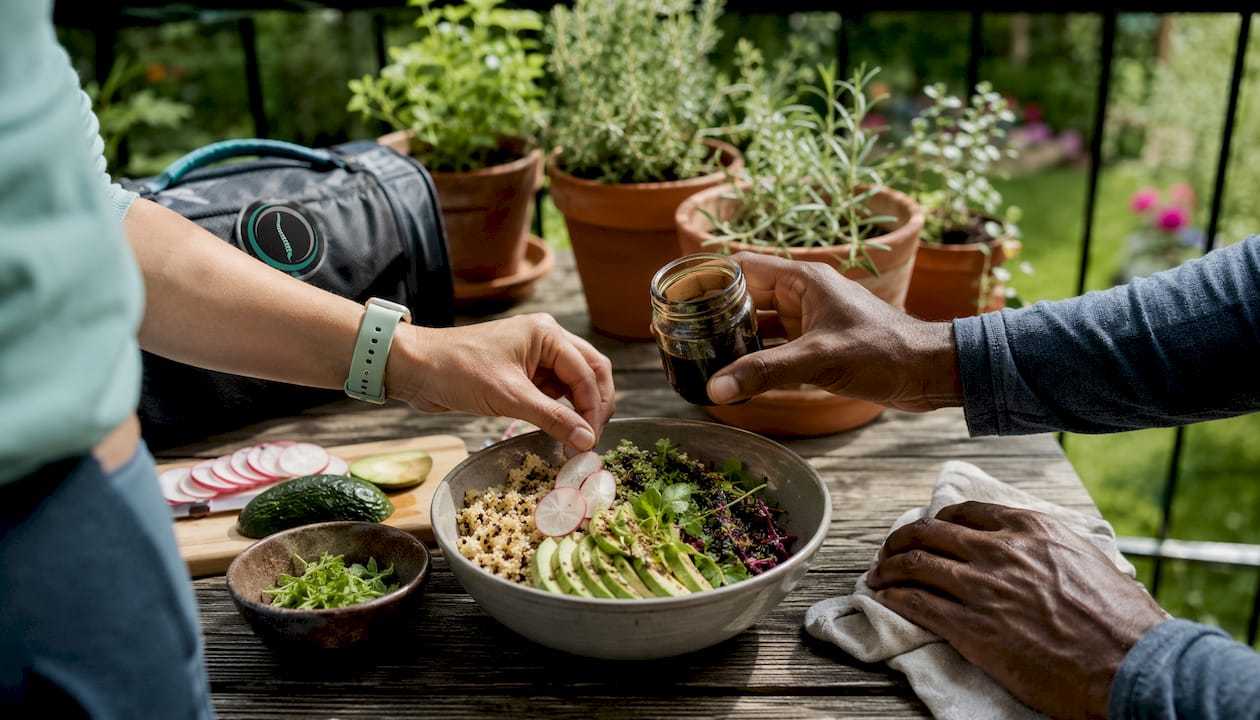
Protein: the non-negotiable building block
Protein is the most important nutrient for healing, full stop. It provides the building blocks to rebuild tissue, repair skin, and maintain muscle mass during periods of immobilisation. The tricky bit is that many athletes instinctively cut calories when they're injured because they're training less. That's understandable, but it's a mistake. A negative energy balance slows wound healing and accelerates muscle loss, which prolongs the time it takes to return to play.
The goal is to maintain a positive energy balance with protein spread evenly throughout the day. Research supports consuming moderate amounts of protein per sitting, with leucine-rich foods eaten consistently across meals. Leucine is a branched-chain amino acid that directly triggers muscle protein synthesis. Think chicken, eggs, dairy, and legumes. Hydroxy-methylbutyrate (HMB) is a metabolite of leucine that has also shown promise in reducing muscle breakdown during immobilisation, particularly relevant if you're in a cast or on crutches. Lysine, another amino acid, contributes to collagen formation and calcium absorption, making it especially useful during bone and connective tissue repair.
Pro Tip: Time your protein intake around your rehabilitation sessions. Consuming protein within an hour of waking, every 3–4 hours during the day, around your physio session, and before sleep gives your body a steady supply of amino acids exactly when it needs them.

Micronutrients that matter
Vitamin A, vitamin C, and zinc all play direct roles in wound closure, collagen production, and new skin cell formation. Vitamin D and selenium support immune regulation and help control inflammation. If you're not eating a varied diet during recovery, a good quality multivitamin with minerals is a sensible safety net.
Eating multiple small meals daily, each containing a protein source and fruit or vegetable, keeps nutrient delivery consistent throughout the day. That consistency matters more than any single "super meal."
Nutrient timing and overnight repair
Here's something most people overlook: timing protein intake before sleep supports overnight muscle protein synthesis during the fasting period. Casein protein, found naturally in cottage cheese and Greek yoghurt, digests slowly and provides a steady release of amino acids through the night. If you're serious about recovery, your pre-bed snack deserves as much thought as your post-training meal.
What to avoid
Two things actively undermine your nutritional efforts during recovery:
- Alcohol. It impairs muscle protein synthesis and wound healing by disrupting the inflammatory response your body needs to repair tissue. Even moderate consumption during recovery is counterproductive.
- Nicotine. It acts as a vasoconstrictor, reducing blood flow and oxygen delivery to injured tissues. Less oxygen means slower healing, plain and simple.
How does inflammation affect your recovery, and what can you do about it?
Inflammation gets a bad reputation, but it's actually the first and necessary stage of healing. The problem isn't inflammation itself; it's when it becomes excessive or chronic. Understanding the stages of recovery helps you work with your body rather than against it.
The three stages of tissue healing
Stage 1: Inflammation (days 1–5 approximately). Blood flow increases to the injury site, immune cells arrive to clear debris, and the repair process begins. Pain, swelling, and heat are all normal here.
Stage 2: Proliferation (days 5–21 approximately). New tissue forms. Collagen is laid down. This is where nutrition and movement become especially critical.
Stage 3: Remodelling (weeks 3 to months). New tissue matures and strengthens. This phase can last well over a year for serious injuries.
Lifestyle choices influence all three stages, but they're most powerful during proliferation and remodelling, when the quality of new tissue is being determined.
Anti-inflammatory lifestyle choices
Omega-3 fatty acids and antioxidants found in anti-inflammatory diets reduce excessive inflammation and support tissue regeneration. Practically speaking, that means oily fish like salmon and mackerel, walnuts, flaxseed, berries, leafy greens, and olive oil. These aren't exotic superfoods; they're just good food choices that happen to have a measurable effect on inflammatory markers.
Key lifestyle factors that help keep inflammation in check:
- Eating omega-3-rich foods regularly throughout recovery
- Prioritising antioxidant-rich fruits and vegetables at each meal
- Avoiding processed foods, refined sugar, and trans fats, which promote inflammatory responses
- Managing psychological stress (more on this shortly)
- Quitting smoking, which is one of the major impediments to recovery due to its vasoconstrictive and pro-inflammatory effects
Pro Tip: Consistency beats intensity here. One week of eating well won't transform your inflammatory profile. Sticking to anti-inflammatory habits across the full recovery period is what moves the needle.
Sleep and psychological wellbeing: foundations for effective recovery
If nutrition is the fuel, sleep is the workshop where the actual repairs happen. And yet it's the first thing athletes sacrifice when life gets busy. That's a problem.
Why sleep is non-negotiable
Adults who get quality sleep lasting several hours each night recover significantly faster from injuries because sleep is when cell regeneration peaks and immune function strengthens. Growth hormone, which drives tissue repair, is released primarily during deep sleep. Skimp on sleep and you're essentially closing the repair shop early every night.
Sleep deprivation also increases systemic inflammation and raises cortisol levels, both of which actively slow healing. It's a double hit you really don't want when you're already injured.
Practical habits that improve sleep quality during recovery:
- Keep a consistent sleep and wake time, even at weekends
- Avoid screens for at least an hour before bed
- Keep your bedroom cool and dark
- Avoid caffeine after 2PM
- Consider a slow-release protein snack before bed to support overnight repair (see the casein point above)
For teenage athletes in particular, sleep quality and duration are especially critical for immune function and healing, given the additional demands of growth and development.
The mental side of recovery
Here's the thing about injury: it messes with your head as much as your body. Loss of identity, frustration, anxiety about returning to sport, these are real and they affect physical outcomes. Psychological interventions like cognitive-behavioural therapy and mindfulness integrated with physiotherapy improve adherence, pain management, and functional recovery. That's not a soft claim; it's well-supported in the rehabilitation literature.
Stress reduction practices like slow diaphragmatic breathing and mindfulness lower cortisol and reduce the inflammatory responses that interfere with repair. Mind-body practices are not optional extras for calming the nervous system; they're part of the physiological repair process. Think of them as training for your nervous system the same way physio is training for your muscles.
Psychological wellbeing practices worth building into your recovery routine:
- 10–15 minutes of mindfulness or meditation daily
- Journalling to process frustration and track progress
- Setting small, achievable rehabilitation goals each week
- Staying socially connected, as isolation worsens psychological outcomes
- Seeking support from a sports psychologist or counsellor if anxiety or low mood persists
The benefits of combining psychological support with physical rehabilitation are well-documented, and the athletes who take this seriously tend to come back stronger, not just physically but mentally.
Exercise and physical activity during injury recovery
Complete rest used to be the default advice for injury. We know better now. The evidence points clearly toward active recovery, meaning gentle, consistent movement rather than lying on the sofa waiting to feel better.
Why movement matters even when you're injured
Gentle, regular movement during recovery promotes circulation, limits stiffness, and supports the nutrient delivery that tissue repair depends on. It also removes metabolic waste from the injury site more efficiently than rest alone. Think of circulation as the delivery and collection service for your healing process. Movement keeps it running.
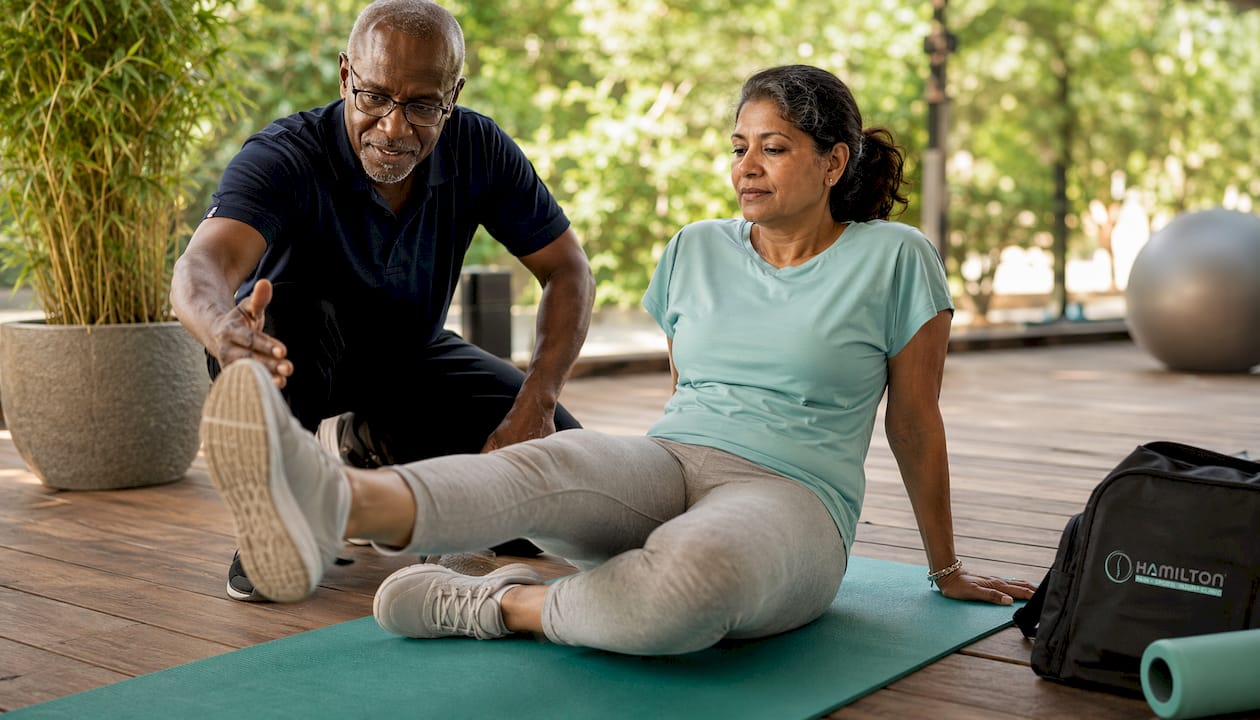
Muscle tissue can be lost rapidly during periods of inactivity. That's a sobering thought. Complete immobilisation is sometimes unavoidable, but wherever possible, maintaining some form of low-intensity activity preserves lean body mass and functional strength, both of which you'll need when you return to full training.
Exercise also releases endorphins, which improve pain perception and mood. That psychological lift matters more than people give it credit for during a long recovery.
Safe exercise approaches by recovery phase
Early phase (inflammation, days 1–5): Focus on non-painful range of motion exercises for uninjured body parts. Gentle walking if tolerated. Avoid loading the injured area.
Mid phase (proliferation, days 5–21): Introduce progressive mobility work, light resistance training for uninjured limbs, and low-impact aerobic activity like swimming or cycling if appropriate.
Late phase (remodelling, weeks 3 onwards): Gradually reintroduce sport-specific movement patterns. Progressive loading of the injured area under guidance. Strength training becomes increasingly important here.
Safe exercise types during recovery include:
- Gentle walking and low-impact aerobic activity
- Pool-based exercise and hydrotherapy
- Resistance training for uninjured limbs
- Yoga and mobility work
- Progressive stretching targeting the injured area when appropriate
- Breathing exercises to support nervous system regulation
Ergonomic adjustments matter too, especially if you're returning to a desk job during recovery. Poor posture and prolonged sitting can aggravate musculoskeletal injuries and delay healing. Simple changes like a supportive chair, regular movement breaks, and a correctly positioned screen make a genuine difference. You can find more on movement therapies for pain relief if you want to go deeper on this.
Pro Tip: Active recovery relies on gentle, consistent movement rather than complete rest. Even a 10-minute walk improves circulation enough to meaningfully support the healing process at the injury site.
How Sportsinjurydublin approaches injury recovery
Sportsinjurydublin, the Hamilton Sports and Injury Clinic, takes the view that treating an injury in isolation is a bit like fixing a leak without checking the pipes. The clinic's approach is built around the individual: their activity level, lifestyle habits, psychological state, and specific injury, rather than a one-size-fits-all protocol.
What sets the clinic apart is the integration of evidence-based lifestyle guidance directly into the rehabilitation process. Clients aren't just handed a sheet of exercises and sent home. They're educated on how nutrition, sleep, stress management, and movement patterns all interact with their recovery. That kind of joined-up thinking is what the research consistently shows produces the best outcomes.
The clinic works with everyone from elite athletes trying to return to competition as quickly as safely possible, to everyday active people who just want to get back to running, cycling, or playing with their kids without pain. The personalised attention means the lifestyle advice is actually relevant to each person's situation, not generic.
Key integrative strategies the clinic applies:
- Personalised rehabilitation programmes that account for lifestyle, activity level, and injury type
- Nutritional guidance aligned with recovery stage and individual energy demands
- Psychological support and resilience coaching integrated with physical therapy
- Education on sleep hygiene and its direct impact on tissue repair
- Smoking cessation support and alcohol reduction advice as part of recovery planning
- Progressive exercise prescription that evolves with each stage of healing
- Ergonomic and activity modification advice for daily life during recovery
Clients regularly report significant improvements, often after just one session, which speaks to the power of treating the whole person rather than just the injured part. If you're looking for expert sports rehabilitation that takes your lifestyle seriously, this is the kind of care that actually moves the needle.
Key takeaways
Lifestyle is not a passive backdrop to injury recovery. It is the primary driver of how fast and how completely you heal, and the evidence from 2026 research is unambiguous on this.
| Point | Details |
|---|---|
| Protein and leucine are central | Spread moderate amounts of protein per sitting across the day, with leucine-rich foods, to minimise muscle loss and support tissue repair. |
| Sleep 7–9 hours every night | Quality sleep drives cell regeneration and immune function; deprivation raises cortisol and slows healing. |
| Active recovery beats complete rest | Gentle, consistent movement promotes circulation and nutrient delivery to the injury site, preventing atrophy. |
| Psychological wellbeing accelerates healing | Mindfulness, CBT, and stress reduction lower cortisol and improve rehabilitation adherence and pain management. |
| Avoid smoking and alcohol entirely | Both impair tissue oxygenation, muscle protein synthesis, and the inflammatory response needed for repair. |