

Chronic injury is defined as tissue dysfunction persisting beyond three months, caused by repetitive mechanical stress that exceeds the body's capacity for repair. Understanding why chronic injuries develop matters because the answer changes how you treat them. Most people assume rest fixes everything. It rarely does. The real culprits are cumulative overload, slow tissue adaptation, systemic health factors, and delayed treatment. Get those wrong and an acute tweak becomes a years-long problem. This article breaks down the mechanisms, the risk factors, and what actually helps.
Why chronic injuries develop: the mechanics of overload
Chronic injuries arise from repetitive subthreshold loading with insufficient recovery, causing microdamage that surpasses muscle fibre repair capacity. In plain English: you stress the tissue repeatedly, it cannot keep up with repairs, and dysfunction sets in. This is the overuse injury model, and it explains everything from Achilles tendinopathy to rotator cuff problems.
The tricky part is that not all tissues adapt at the same speed. Muscles respond to training within days to weeks. Connective tissues like tendons adapt slowly, with collagen remodelling spanning weeks to months. That mismatch is where most overuse injuries are born. Your muscles get stronger, you feel capable, you push harder, but your tendons are still catching up.
Progression errors are the main culprit here, not poor technique alone. Rapid increases in training volume or intensity before tissues have adapted create a window of vulnerability. Think of it like building a house faster than the foundations can set. The structure looks fine until it does not.
Key mechanisms driving chronic injury development:
- Repeated subthreshold loading without adequate recovery
- Faster muscle adaptation versus slower tendon collagen remodelling
- Rapid training volume or intensity increases outpacing tissue tolerance
- Insufficient sleep and nutrition reducing repair capacity
- Returning to full load too soon after a minor injury
Pro Tip: Increase training load by no more than 10% per week. Your tendons need that slow, consistent mechanical stimulus to remodel properly. Patience here is not weakness. It is tissue biology.
How do acute injuries turn into chronic problems?
Acute injuries are sudden trauma events: a sprained ankle, a torn muscle, a fracture. Chronic injuries are gradual overload conditions that build over time. The distinction sounds clean, but the pathway between them is where things get messy.
Untreated acute injuries frequently produce compensatory movement patterns that lead to secondary chronic pain. You sprain your left ankle, start favouring your right leg, and six months later your right knee is the problem. The original injury healed. The compensation did not.
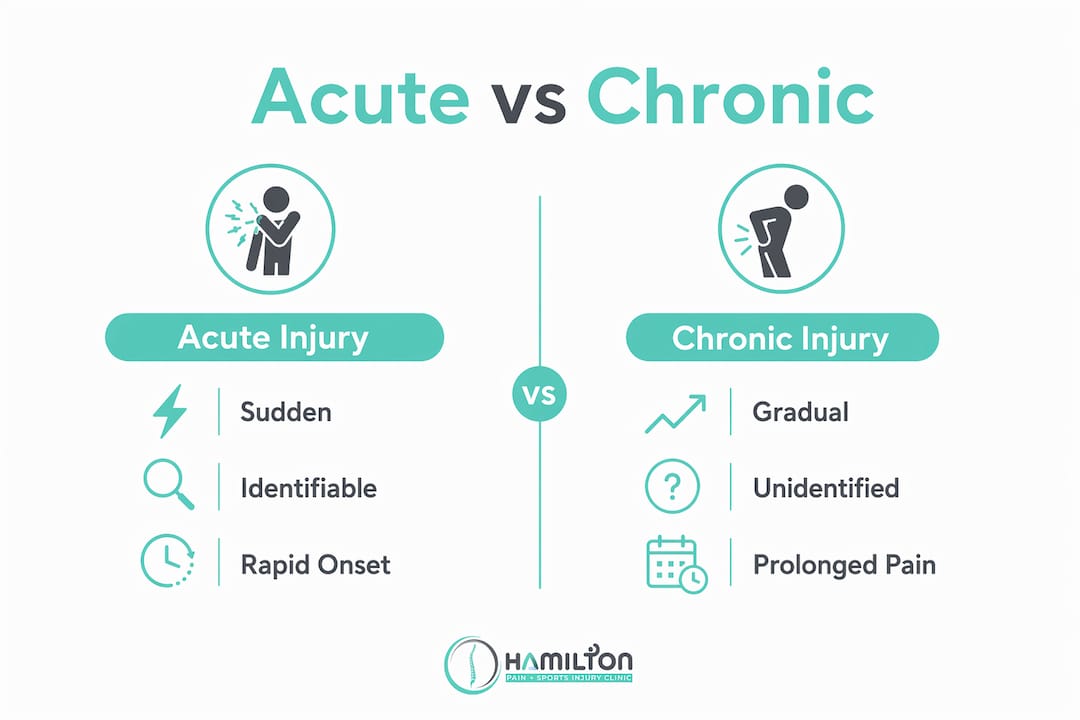
| Feature | Acute injury | Chronic injury |
|---|---|---|
| Onset | Sudden, identifiable event | Gradual, often no clear moment |
| Duration | Resolves within 6–12 weeks | Persists beyond 3 months |
| Cause | Trauma or single overload | Repetitive stress, compensation |
| Pain pattern | Sharp, localised | Dull, diffuse, or variable |
| Treatment priority | Protect, reduce swelling, restore range | Load management, movement correction |
Early pain management is not just about comfort. Delayed analgesia beyond 6 hours post-injury significantly increases the risk of chronic pain development. That is a striking finding. It means the window for preventing chronification starts almost immediately after injury. Getting pain under control early is a clinical priority, not an optional extra.
Faulty posture and biomechanical imbalances compound this further. Adjacent joints absorb extra load, soft tissues work in compromised positions, and the cycle of dysfunction deepens.
Pro Tip: If you have had an acute injury, do not just wait for the pain to go. Get a movement assessment within the first few weeks. Catching compensatory patterns early is far easier than unwinding them after months of reinforcement.
What systemic factors make chronic injuries more likely?
Most people focus entirely on the mechanical side of chronic injuries. Load too much, get hurt. That is true, but it is only half the picture. Metabolic, endocrine, and ageing-related systemic factors disrupt tendon homeostasis, reduce biomechanical integrity, and lower the mechanical load threshold at which injury occurs.
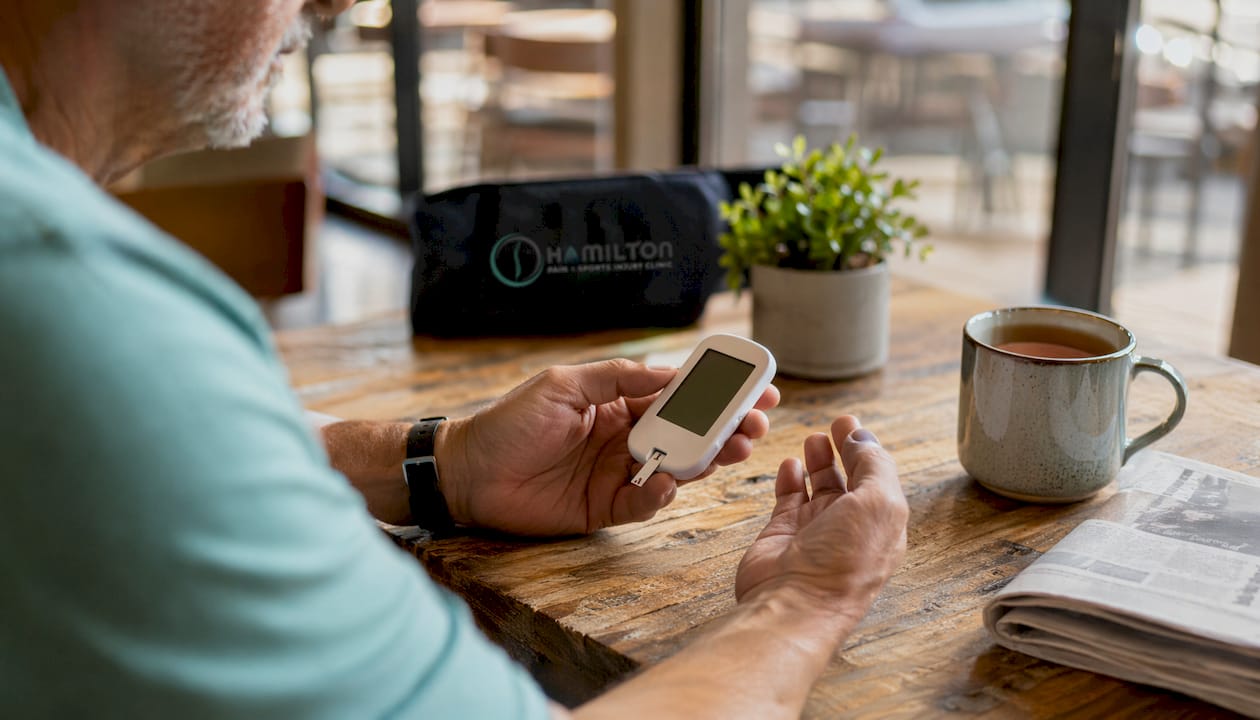
Diabetes, obesity, and hormonal fluctuations all alter the cellular environment inside tendons. Collagen quality drops. Repair efficiency falls. The tissue becomes more vulnerable at loads it previously handled without issue. This is not about being unfit. It is about the internal chemistry of your connective tissue changing.
Inflammaging is a term worth knowing here. It describes the chronic low-grade systemic inflammation associated with ageing, and it plays a direct role in persistent tissue dysfunction. Cellular senescence (where cells stop dividing but do not die) accumulates in tendons and reduces their regenerative capacity. Older athletes are not just slower to recover because of age. Their tissue repair machinery is genuinely less efficient.
| Systemic factor | Effect on tissue | Injury implication |
|---|---|---|
| Diabetes | Reduces collagen cross-linking quality | Tendons weaker, slower to heal |
| Obesity | Increases mechanical load and systemic inflammation | Lower threshold for overuse injury |
| Hormonal changes | Alters tendon cell microenvironment | Reduced repair capacity |
| Inflammaging | Chronic low-grade inflammation | Persistent dysfunction, poor recovery |
| Cellular senescence | Fewer functional repair cells | Slower, incomplete tissue remodelling |
Reducing injury risk for older athletes requires accounting for these systemic factors, not just adjusting training load. Nutrition, metabolic health, and hormonal balance all feed directly into how well your tissues repair themselves.
What are the key risk factors for chronic injury?
Approximately 30.4% of patients with extremity injuries develop chronic pain lasting three months or longer. That is nearly one in three people. The implication is sobering: acute injury management has a direct and measurable effect on long-term outcomes.
The strongest independent predictor of transition from acute to chronic pain is peripheral nerve injury. When nerves are involved, neuropathic sensitisation and neuroplasticity mechanisms can lock pain in place long after tissue healing is complete. This is why some people feel pain even when scans show no structural damage. The nervous system has learned to fire in that pattern.
Other major risk factors include:
- Peripheral nerve injury (strongest predictor of chronification)
- Infectious complications following injury or surgery
- Delayed initiation of analgesia (beyond 6 hours post-injury)
- Repeated surgeries increasing scar tissue and nerve disruption
- Rapid training load increases without adequate recovery periods
- Previous injury (reinjury risk in runners increases by 12.9% with prior injury)
- Biomechanical misalignment and poor movement patterns
Understanding why pain persists after tissue heals is genuinely useful here. Pain is not always a reliable signal of ongoing damage. Sometimes the alarm system itself becomes the problem.
How to prevent chronic injuries from developing
Prevention is not complicated, but it does require consistency. The biggest lever is intelligent training progression that respects tissue adaptation timelines. Your connective tissue does not care about your race calendar. It adapts on its own schedule.
- Increase load gradually. Follow a structured progression that limits weekly volume increases. Tendons need repeated mechanical stimulus to remodel, but they need time between sessions to do so.
- Avoid total rest after minor injuries. Total rest often worsens chronic injuries by weakening muscles and reducing joint mobility. Controlled loading keeps tissues healthy and maintains range of motion.
- Correct movement patterns early. A whole-body biomechanical analysis catches compensations before they become ingrained. The role of strength in injury prevention is significant here. Stronger supporting muscles reduce the load placed on tendons and joints.
- Manage pain promptly. Early regional anaesthesia and adequate analgesia reduce the risk of pain chronification. Do not tough it out unnecessarily.
- Optimise systemic health. Address metabolic factors like blood sugar regulation, body composition, and sleep quality. These directly influence tissue repair capacity.
Pro Tip: If you are returning from any injury, treat the first four weeks back as a diagnostic phase, not a performance phase. Monitor how your tissue responds to load before pushing intensity. That four-week window tells you more about your readiness than any subjective feeling of fitness.
Key takeaways
Chronic injuries develop when repetitive mechanical stress outpaces tissue repair capacity, and systemic health factors, delayed treatment, and compensatory movement patterns all accelerate that process.
| Point | Details |
|---|---|
| Overload exceeds repair | Chronic injuries result from cumulative microdamage that surpasses the body's recovery capacity. |
| Tendons adapt slowly | Collagen remodelling takes weeks to months, creating a mismatch with faster muscle adaptation. |
| Acute injuries need early care | Delayed analgesia beyond 6 hours post-injury significantly raises the risk of chronic pain. |
| Systemic factors matter | Diabetes, obesity, and inflammaging reduce tendon repair efficiency and lower injury thresholds. |
| Rest alone is not enough | Controlled mechanical loading, not total rest, is required to stimulate tendon recovery. |
What I have seen time and again with chronic injuries
Here is the honest truth: most chronic injuries I see were avoidable. Not because the person was reckless, but because they underestimated a small acute injury and kept going. A bit of Achilles soreness becomes a full tendinopathy. A tight hip flexor becomes chronic lower back pain. The original signal was there. It just got ignored.
The other pattern I see constantly is people justifying rapid training escalation because they feel ready. Feeling ready and being tissue-ready are two completely different things. Your cardiovascular system adapts fast. Your tendons do not. That gap is where overuse injuries live.
What frustrates me most is the rest-only approach. People stop training, pain reduces, they go back to full load, pain returns. Repeat. What they needed was structured loading during the rest period, not absence of load. Personalising your chronic pain treatment plan matters enormously here because the right load for one person is wrong for another.
Systemic factors also get overlooked almost universally. Patients focus on the sore tendon and ignore the metabolic environment that tendon is living in. Poor sleep, high systemic inflammation, and blood sugar dysregulation all slow repair. Treating the tissue without addressing those factors is like bailing out a boat without fixing the hole.
— Mark
Chronic injury support at Sportsinjurydublin
If you are dealing with a persistent injury that has not responded to rest or generic treatment, Sportsinjurydublin works differently.
At Sportsinjurydublin, every assessment considers your biomechanics, training history, and systemic health together. There are no generic protocols here. The team at Hamilton Pain and Sports Injury Clinic builds individualised plans that address the actual cause of your injury, not just the symptom. Whether you need sports rehabilitation, structured recovery sessions, or a strength programme that respects your tissue capacity, the clinic has the expertise to get you moving properly again. Clients regularly report significant improvements after just one or two sessions. That is what targeted, informed care looks like.
FAQ
What is the definition of a chronic injury?
A chronic injury is tissue dysfunction or pain persisting beyond three months, typically caused by repetitive mechanical stress that exceeds the body's repair capacity.
How do chronic injuries develop from overuse?
Repetitive subthreshold loading causes microdamage that accumulates faster than tissues can repair, leading to persistent dysfunction. Tendons are particularly vulnerable because collagen remodelling takes weeks to months.
What percentage of acute injuries become chronic?
Approximately 30.4% of patients with extremity injuries develop chronic pain lasting three months or longer, with peripheral nerve injury and delayed analgesia as the strongest predictors.
Can systemic health conditions cause chronic injuries?
Yes. Conditions like diabetes, obesity, and hormonal imbalances reduce tendon repair efficiency and lower the load threshold at which injury occurs, making chronic injury significantly more likely.
Does rest cure a chronic injury?
Total rest rarely resolves a chronic injury and often worsens it by weakening supporting muscles and reducing joint mobility. Controlled mechanical loading is required to stimulate tissue adaptation and recovery.