
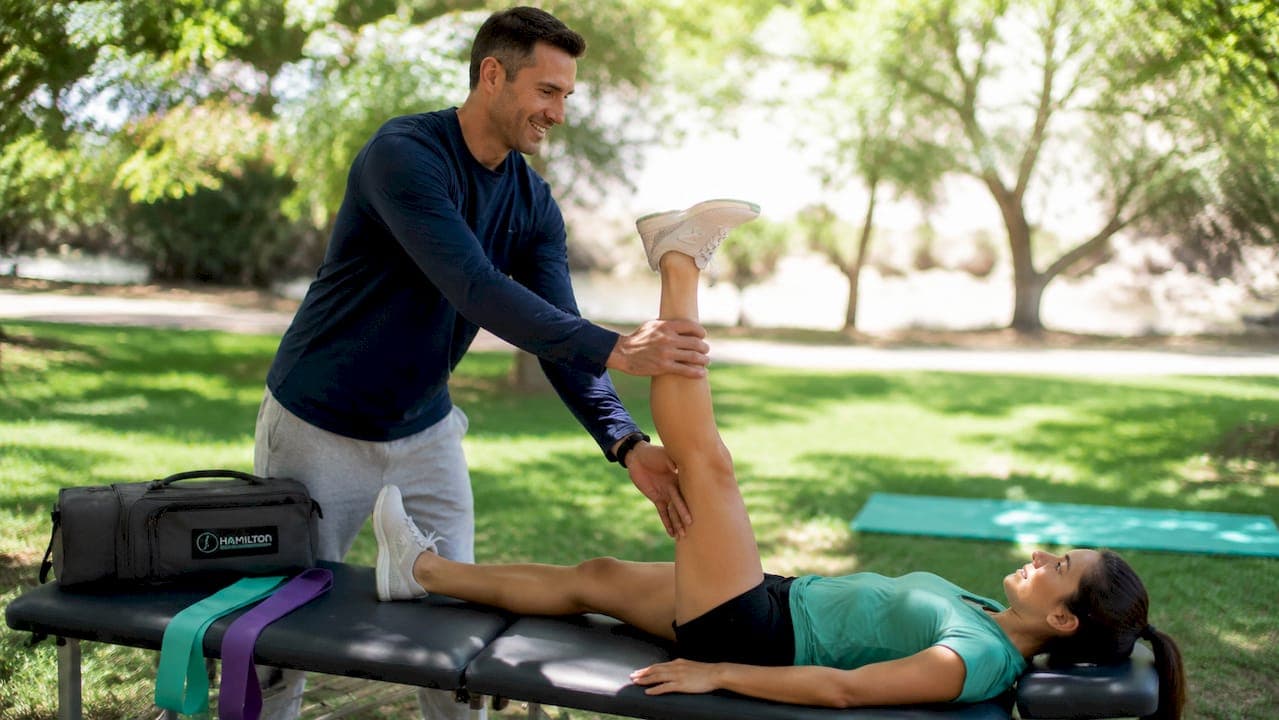
You've done the rest, the ice, the physio appointments. The pain finally goes. Then, a few weeks later, it's back. Same spot. Same frustration. Sound familiar?
Here's the thing: injuries keep coming back not because your body is broken, but because pain going away and your body being ready are two completely different things. That gap between "it doesn't hurt anymore" and "my tissue can actually handle what I'm asking of it" is where most recurrences begin. Recurrent injuries account for 5%–21% of all sports injuries in professional and elite athletes, and the main culprits are:
- Incomplete rehabilitation stopped at pain relief rather than full tissue readiness
- Altered neuromuscular patterns that persist long after the original injury settles
- Protective guarding behaviours that shift strain onto neighbouring joints
- Load mismatch between what your tissues can tolerate and what you're actually doing
- Systemic deficits in strength, coordination, and proprioception that never got addressed
Pain is your nervous system flagging a threat. When it quiets, the threat has dropped below your body's reporting threshold. The tissue may still be weak, poorly coordinated, or loaded by the same movement pattern that caused the problem in the first place.
Why injuries keep coming back: the medical and biomechanical picture
The body doesn't heal in isolation. An injury is a systemic event, and the changes it triggers go well beyond the original site of pain.
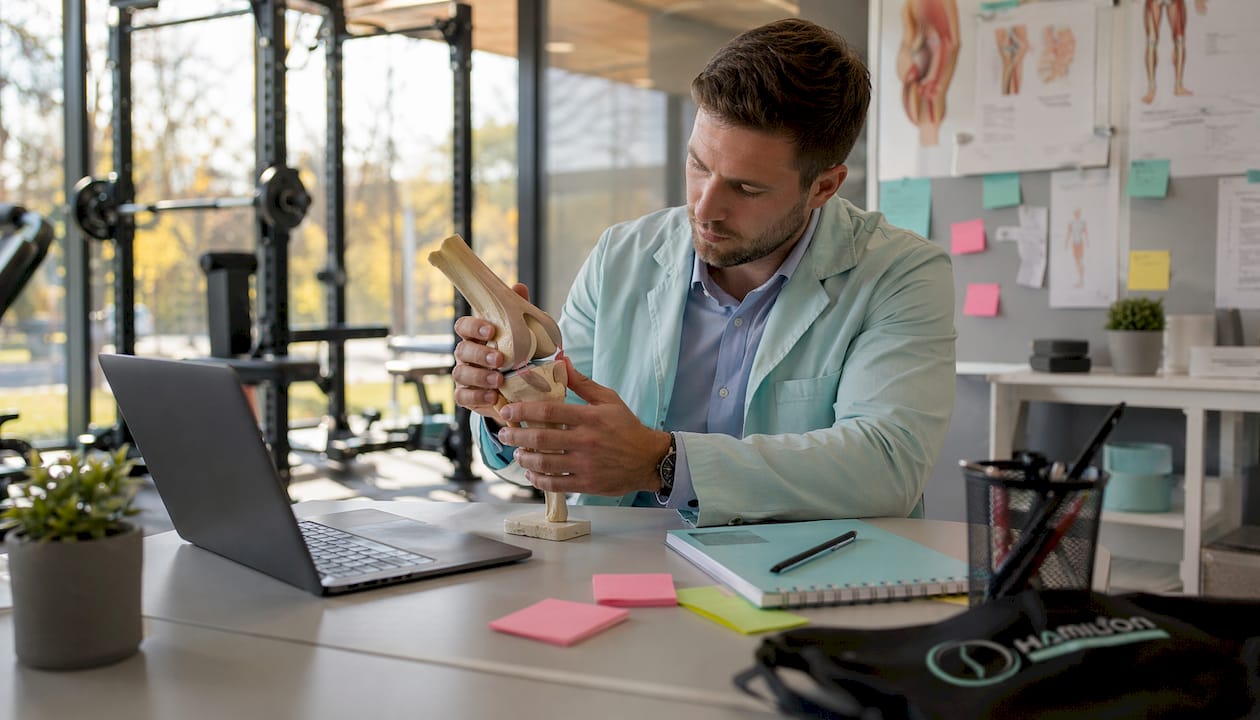
Neuromuscular deficits persist after pain subsides, including reduced proprioception (your body's sense of where it is in space) and altered muscle recruitment patterns. These changes affect postural sway, gait mechanics, and dynamic stability, all of which quietly raise your re-injury risk even when you feel completely fine. A previous ACL injury, for instance, is associated with a relative risk of 2.25 for subsequent hamstring injury, which tells you something important: injuries don't stay neatly in one place.
Protective movement patterns are another big one. When a joint feels vulnerable, the body guards it. Muscles tighten, range of motion shrinks, weight shifts. Short-term, that's genuinely useful. Long-term, those patterns become maladaptive. A sore hip can quietly become a sore knee. A stiff mid-back feeds into a shoulder problem. The original site calms down, but the movement pattern doesn't.
Scar tissue from incomplete rehab restricts movement and alters how forces travel through the body, leading to joint stiffness, muscle overuse, and recurring discomfort. Treating only the symptoms without addressing the actual driver of the injury is one of the most reliable ways to end up back at square one.
Psychological factors matter too, and they're often overlooked. Fear of re-injury changes how you move. Reduced confidence creates altered loading patterns. That guarding behaviour, even when subtle, keeps the original vulnerability alive.
- Proprioceptive deficits and altered muscle recruitment persist after tissue healing
- Biomechanical changes (peak torque, gait mechanics, joint forces) compound re-injury risk
- Protective guarding shifts strain to adjacent joints over time
- Scar tissue restricts movement and perpetuates mechanical dysfunction
- Psychological factors like fear and reduced confidence alter loading and increase susceptibility
Pro Tip: Ask your physio to assess your movement quality under fatigue, not just in a controlled clinical setting. An injury can look fully resolved on a table and fall apart completely under real-world load.
How to actually prevent injury relapse and recover for good
The most effective way to stop an injury recurring is not to chase pain each time it flares. It's to understand why the pattern exists and close the capacity gap properly.
Graded, progressive loading is the foundation. Tendons, muscles, and joints respond far better to steady, increasing demands than to long rest followed by a sudden return to full activity. Clinical guidelines from NICE for persistent pain recommend staying physically active with exercise matched to individual needs, rather than extended rest. That principle extends well beyond back pain.
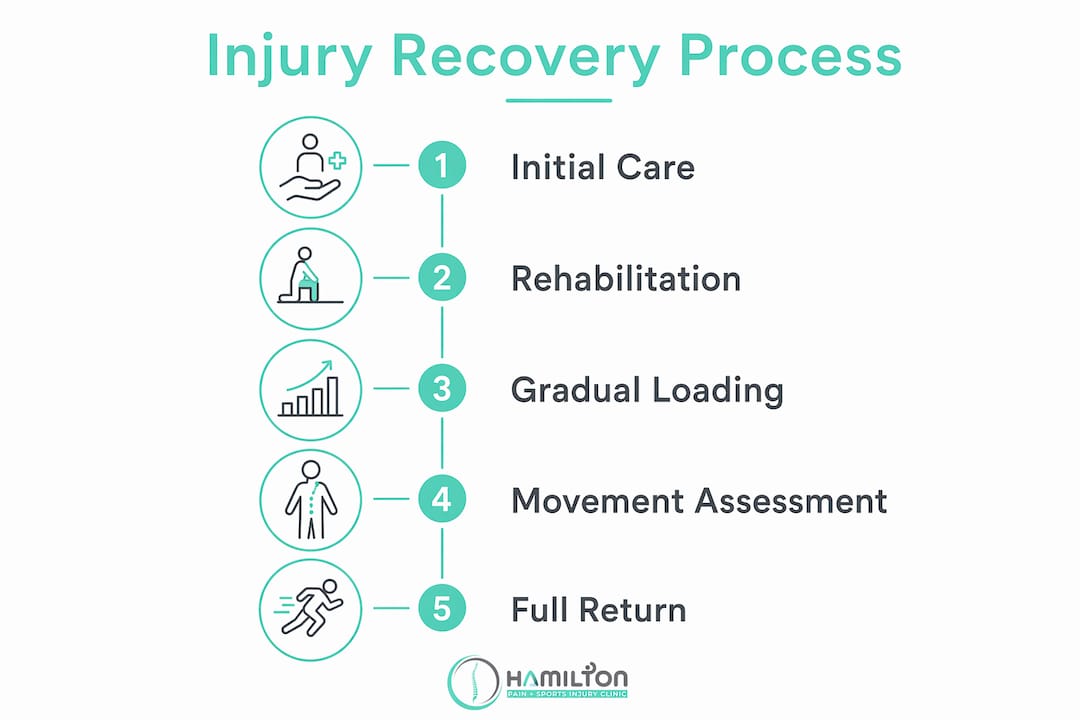
Personalised rehabilitation matters enormously here. Two people with identical shoulder pain can have completely different drivers: a movement fault, a load deficit, a coordination breakdown, or a structural limitation. Treat them identically and you get identical failure rates. A runner returning with knee pain might have weakness in the hip or calf that was never addressed. If neuromuscular control isn't restored across the entire movement chain, the original site stays exposed.
Nutrition, sleep, and stress management are not optional extras. Chronic fatigue and poor sleep reduce tissue resilience and slow healing. Even small increases in load can trigger a setback when recovery processes aren't supported. Injury prevention habits for tactical athletes consistently highlight load management and lifestyle factors as central to staying injury-free long-term.
- Progress load gradually and match demands to current tissue capacity
- Address the full movement chain, not just the painful site
- Test movement quality under realistic fatigue conditions before returning to full activity
- Retrain faulty movement patterns through targeted biomechanical correction
- Prioritise sleep, nutrition, and stress management as part of recovery
- Seek a second opinion or specialist assessment if the same injury keeps returning
Pro Tip: Return-to-sport benchmarks should go beyond pain levels. Can you decelerate at full speed? Rotate under load without compensation? If nobody's tested that, "cleared to return" is an educated guess.
Understanding the role of biomechanics in how forces travel through the body is a genuinely underrated part of long-term injury management. Movement retraining, not just strengthening, is often what separates temporary relief from lasting recovery.
What the team at Sportsinjurydublin sees every day
At Sportsinjurydublin (Hamilton Pain and Sports Injury Clinic), the pattern is familiar: someone arrives having done "all the right things," yet the same injury keeps cycling back. The reason, almost always, is that recovery stopped where the pain settled, not where the body was actually ready.
The clinic's approach treats the person, not just the injury. That means matching the rehabilitation plan to your actual goals and activity demands, whether you're an elite athlete or someone who just wants to carry the shopping without wincing. Addressing body-wide factors, including neuromuscular control, load tolerance, and lifestyle, is what produces lasting improvements rather than another temporary fix.
If your back pain keeps flaring, back pain treatment at Sportsinjurydublin looks at the full picture. For those needing structured recovery, sports rehabilitation at the clinic is built around progressive loading and real-world performance benchmarks, not just pain resolution.
Key takeaways
Injuries keep recurring because pain resolves before tissue strength, coordination, and load tolerance are fully restored, and closing that capacity gap through progressive, personalised rehabilitation is the only reliable way to break the cycle.
| Point | Details |
|---|---|
| Pain is not full recovery | Tissue readiness, strength, and neuromuscular control take longer to rebuild than pain takes to settle. |
| Recurrence is common | Recurrent injuries account for 5%–21% of all sports injuries in professional and elite athletes. |
| Neuromuscular deficits persist | Reduced proprioception and altered muscle recruitment remain after healing and raise re-injury risk. |
| Load management is central | Matching physical demands to current tissue capacity, with gradual progression, prevents relapse. |
| Personalised rehab beats generic treatment | Identifying the true driver of an injury, not just its location, is what stops it coming back. |