
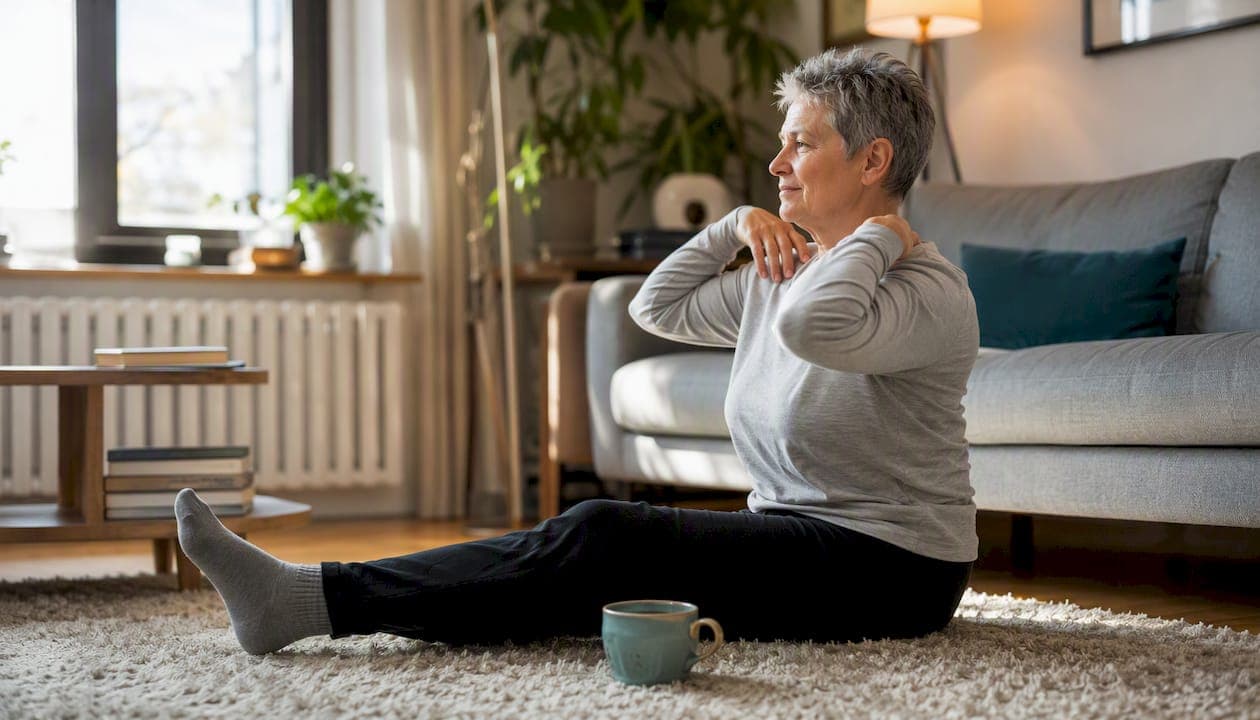
A short, practical routine you can start today will reduce flare risk and improve function. That's the whole idea, really. Not a total lifestyle overhaul, just five things, done daily, on purpose:
- Morning: two or three minutes of gentle movement before you even get out of bed (ankle circles, shoulder rolls, that sort of thing).
- Daytime: three planned activity blocks, each one paced with built-in rests, not pushed until pain forces the stop.
- Midday: a short relaxation break, breathing or a bit of quiet, even five minutes counts.
- Connection: one social or meaningful activity, however small, because isolation makes pain worse.
- Evening: a proper wind-down that protects your sleep.
Chronic pain affects a huge number of adults, and WebMD's list of daily habits that ease it consistently points to the same basics: movement, sleep, stress management, and tracking your symptoms. The CDC's alcohol guidance and UC Davis Health's pain psychology research both back this up. And if you want it tailored to your body specifically, that's where somewhere like Hamilton Pain and Sports Injury Clinic comes in.
Key takeaways
Building a sustainable routine with chronic pain comes down to five repeatable habits, paced activity, brief daily coping skills, a flare plan you prepare in advance, honest tracking, and social connection woven through the day rather than squeezed in around it.
| Action | Frequency | Why it matters |
|---|---|---|
| Gentle morning activation | Daily | Eases overnight stiffness, signals safe movement |
| Two graded movement slots | Daily | Breaks inactivity-pain cycle, releases endorphins |
| Paced activity blocks with rests | Daily | Prevents flare-triggering overexertion |
| Pain and energy tracking | 3x daily | Reveals patterns clinicians can act on |
| Bare minimum flare template | As needed | Preserves essentials without guilt |
| One social contact | Daily | Reduces isolation's amplifying effect on pain |
Table of Contents
- Why a predictable routine helps with chronic pain
- Core components of a pain-friendly daily routine
- Build your routine in five small steps
- What to do during a flare and how to return to your routine
- Track progress and when to seek specialist support
- Incorporating flexibility and adaptation strategies into your routine
- Talking about your pain and building social support into your day
- When personalised help makes sense
- Frequently asked questions
- Sources
Why a predictable routine helps with chronic pain
Predictable routines reduce nervous-system reactivity, and that matters more than most people realise. Your body doesn't distinguish neatly between "this hurts" and "I'm stressed." It just floods you with the same fight-or-flight chemistry either way, and that tension tightens muscles and can turn up the volume on pain signals.
UC Davis Health's pain specialists recommend practising relaxation techniques throughout the day, not just when pain spikes. That's the bit people miss. Waiting until you're in agony to try breathing exercises is a bit like waiting until the house is on fire to test the smoke alarm. It works far better as prevention.
Sleep, stress, and activity are tangled together. Poor sleep raises pain sensitivity, pain disrupts sleep, and the whole thing spirals. Small, consistent actions, a fixed wake time, a few minutes of movement, a proper wind-down, interrupt that spiral before it gathers speed. None of it feels dramatic in the moment. That's rather the point.
Core components of a pain-friendly daily routine
Building a daily routine for chronic pain isn't about cramming in more. It's about choosing the right handful of components and repeating them reliably. Here's what actually belongs in it:
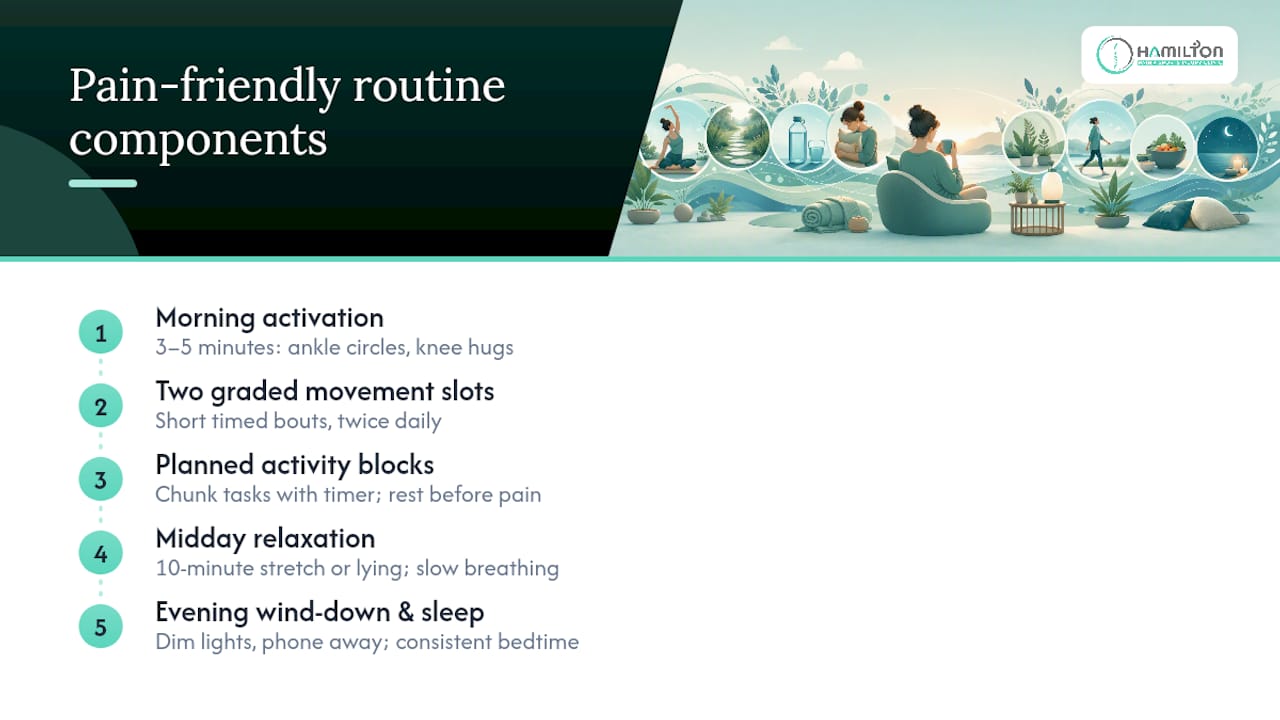
Gentle morning activation. Before your feet even hit the floor, try three to five minutes of ankle circles, gentle knee hugs, or shoulder rolls in bed. This eases the stiffness that builds overnight and signals to your body that it's safe to move, rather than jolting straight into the day.
Two graded movement slots. Short, timed bouts of activity, walking to the postbox, a few sit-to-stands, gentle stretching, done twice daily. Harvard Health's research on exercise and chronic pain shows even brief movement helps break the inactivity-pain cycle and triggers endorphin release, which lifts both pain threshold and mood.
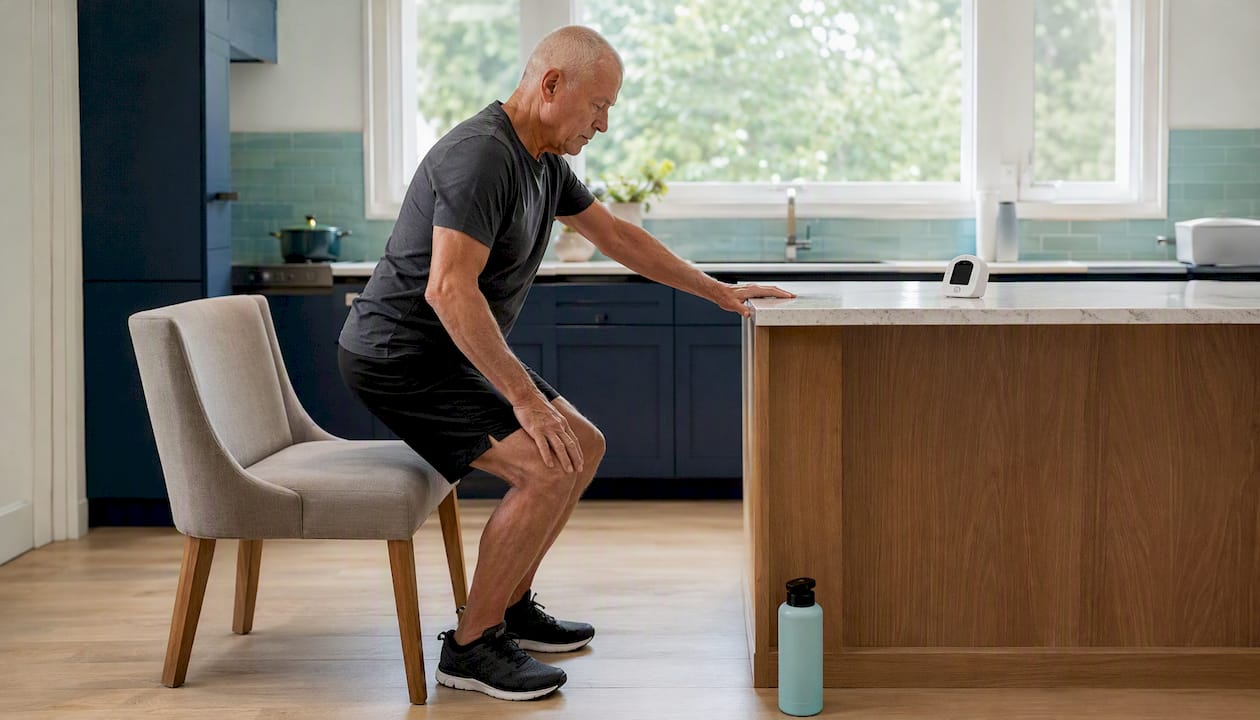
Planned activity blocks with rests built in. Whether it's housework, admin, or a work task, break it into chunks with a timer, then stop for a rest before pain forces you to. This is pacing in action, and NHS Inform's guidance on living with chronic pain treats it as one of the most reliable tools available.
Midday relaxation. A ten-minute seated stretch after a timed activity block, or simply lying down with your eyes closed and breathing slowly, resets your nervous system before afternoon fatigue sets in.
Evening wind-down and sleep hygiene. Dim the lights, put the phone away, keep a consistent bedtime. Limiting alcohol matters here too. CDC guidance caps moderate drinking at one drink daily for women and two for men, and excessive intake both raises pain sensitivity and wrecks sleep quality.
Pro Tip: Rest is not failure. Reframe it as proactive management, the same way you'd view taking medication on schedule. Permission-based pacing means you stop before pain spikes, not after, and that's a skill, not a weakness.
Build your routine in five small steps
You don't need a perfect plan on day one. You need a rough one you'll actually follow, then you adjust it. Here's how to get there over two to four weeks.
- Audit your current day for three to seven days. Jot down what you did, when, and your pain score (0 to 10) at a few points. Keep it dead simple, a notes app or scrap paper works fine.
- Pick a baseline using permission-based pacing. Look at your audit and set one tiny, measurable goal, something like "one three-to-five-minute movement session daily." Set it below the level that tends to trigger a flare, not at your absolute limit.
- Schedule three daily blocks. Morning activation, one afternoon task (with a timer and a rest slot), and a gentle evening movement session. Structure beats willpower here, every time.
- Progress with graded activity. Add small, regular increments, an extra minute of movement, one additional task block, rather than big leaps. Keep recording pain and energy daily so you can see what's actually happening, not just what you remember.
- Review weekly and adjust. If pain scores are stable or dropping, nudge the increment up slightly. If they're climbing, hold steady or scale back before you hit a flare.
Bare minimum template (for tough days): morning bed stretches, one Big Three check-in (more on that below), five minutes of quiet breathing, early bed.
Manageable fuller day template: morning activation (five minutes), one paced work or household block with a rest, a walk or gentle strength session, midday relaxation, one social contact, evening wind-down.
- Hold each new increment for about a week before increasing it again.
- If a flare hits, drop back to the bare minimum template rather than pushing through.
What to do during a flare and how to return to your routine
Flares happen, and shrinking your routine deliberately is smarter than trying to power through one. Focus on the Big Three: hydration, one nutritious meal or snack, and your essential medication or gentle mobility work. Everything else, non-urgent chores, social obligations, ambitious exercise plans, gets dropped without guilt.
Add short calming practices, a few minutes of slow breathing, lying down in a quiet room, and delegate or defer whatever you can. This isn't giving up. It's the same pacing logic that keeps your routine sustainable long-term.
Once the flare eases, don't jump straight back to your previous level. Use graded re-entry: small steps, day by day, back towards baseline. Jumping straight back in is exactly how boom-bust cycles start.
A few signs mean it's time to contact a clinician rather than self-manage: sudden neurological changes (numbness, weakness that's new or spreading), an uncontrolled fever, or progressive weakness that wasn't there before. Those warrant a call, not a wait-and-see approach.
Track progress and when to seek specialist support
A simple tracking routine works better than an elaborate one. Try three quick pain and energy checks daily (morning, midday, evening), plus a short weekly review to spot patterns. WebMD's research notes that this kind of daily pain score log helps clinicians tailor treatment far more precisely than a vague "it's been bad lately."
- If your routine plateaus or pain climbs despite pacing, that's a signal for a personalised assessment, physiotherapy, a pain clinic, or CBT support.
- Somewhere like Hamilton Pain and Sports Injury Clinic can build a tailored plan around your specific pattern. Bring your symptom log to the first appointment; it saves time and sharpens the conversation.
Incorporating flexibility and adaptation strategies into your routine
Chronic pain doesn't respect your calendar. Some days you'll wake up fine and be flattened by 3pm. A routine that only works on good days isn't really a routine, it's a wish list.
Build in flexibility from the start rather than treating it as a failure fallback. That means having your bare minimum template ready before you need it, not scrambling to invent one mid-flare. It means treating your "three activity blocks" as a target, not a contract, some days it's two, some days it's four.
One underused strategy: set your daily activity ceiling a little below the point that usually triggers a flare, rather than at your actual limit. This buffer absorbs the unpredictable bad days without a full collapse of the routine, and it prevents the boom-bust pattern where a good day tempts you to overdo it, triggering three bad days after.
Timers help here too. Stopping an activity when a timer goes off, rather than waiting for pain to tell you to stop, keeps you working within safe limits consistently, even on days when your pain signals are unreliable or delayed.
Review your routine weekly rather than daily. Daily reviews during a bad stretch can feel discouraging; a weekly view shows the actual trend, which is usually steadier than any single day suggests. Adjust the plan, don't abandon it.
Talking about your pain and building social support into your day
Chronic pain is often invisible, and that makes it lonely. People around you can't see it, so they don't always know when to offer help or when to back off, unless you tell them.
Build brief, honest check-ins into your routine rather than waiting for a crisis to explain yourself. A short message to a partner, friend, or family member, "today's a lower-energy day, might need to reschedule," does more for your wellbeing than most people expect. It also prevents the exhausting cycle of overcommitting, cancelling last minute, and feeling guilty about it.
If you're also supporting others, ageing parents, young children, while managing your own pain, structure matters even more. Practical guidance on routine visits for ageing relatives shows how scheduled, predictable support (rather than reactive, exhausting drop-everything visits) protects the person doing the caring too.
One social or meaningful contact daily belongs in your routine for a reason: isolation tends to amplify pain perception, while connection, even a short phone call, gives your nervous system something other than pain to process. It doesn't need to be elaborate. A cup of tea with a neighbour counts.
Clinician perspective: permission, not pressure
The biggest shift I see people need isn't a better exercise plan. It's permission to scale back without guilt. Rest is a clinical tool, not a failure. Use the templates here, adjust them to your own pattern, and expect gradual gains, not overnight fixes. Small, repeatable wins beat heroic bad days every time.
When personalised help makes sense
Sportsinjurydublin gives you what a generic pain leaflet can't: a plan built around your actual body, your actual triggers, and your actual daily life, not a one-size-fits-all handout. A personalised assessment speeds up safe progress considerably, because tailored graded activity, manual therapy, and a structured exercise plan account for your specific pain pattern rather than an average one.
A first appointment at Hamilton Pain and Sports Injury Clinic typically covers a full assessment, a short-term plan with measurable goals, and practical next steps you can start immediately. Bring your symptom log, even a rough one, so the conversation starts from real data rather than guesswork about how bad last week actually was. If chronic pain or a sports injury is limiting your daily function, book a sports rehabilitation assessment and get a plan built around your own pain pattern, not a generic template.
Frequently asked questions
How do I start a daily routine with chronic pain if I'm already exhausted? Start smaller than feels necessary, three to five minutes of movement, one small goal. The bare minimum template exists precisely for low-energy days.
What's the difference between pacing and just resting more? Pacing means stopping activity on a time cue, before pain spikes, then gradually increasing. Resting more without structure often leads to deconditioning, which can worsen pain over time.
How long before a pain-friendly routine actually helps? Most people notice small shifts in sleep and stress within two to three weeks of consistent practice, with functional gains building gradually over a month or more.
Should I track my pain every single day? Three quick checks daily plus a weekly review is enough. Obsessive tracking can become its own stressor.
When should I see a specialist rather than self-manage? If pain plateaus despite consistent pacing, or if you notice new neurological symptoms, sudden weakness, or an uncontrolled fever, book a clinical review rather than waiting it out.
This article is general information, not a substitute for advice from a qualified doctor. Consult a qualified healthcare professional about your own circumstances before acting on anything here.
Sources
- CDC — Moderate alcohol use: What to know
- Exercise for chronic pain: How physical activity can help you feel better — Harvard Health
- Living with chronic pain — NHS Inform
- 10 daily habits to ease chronic pain — WebMD