
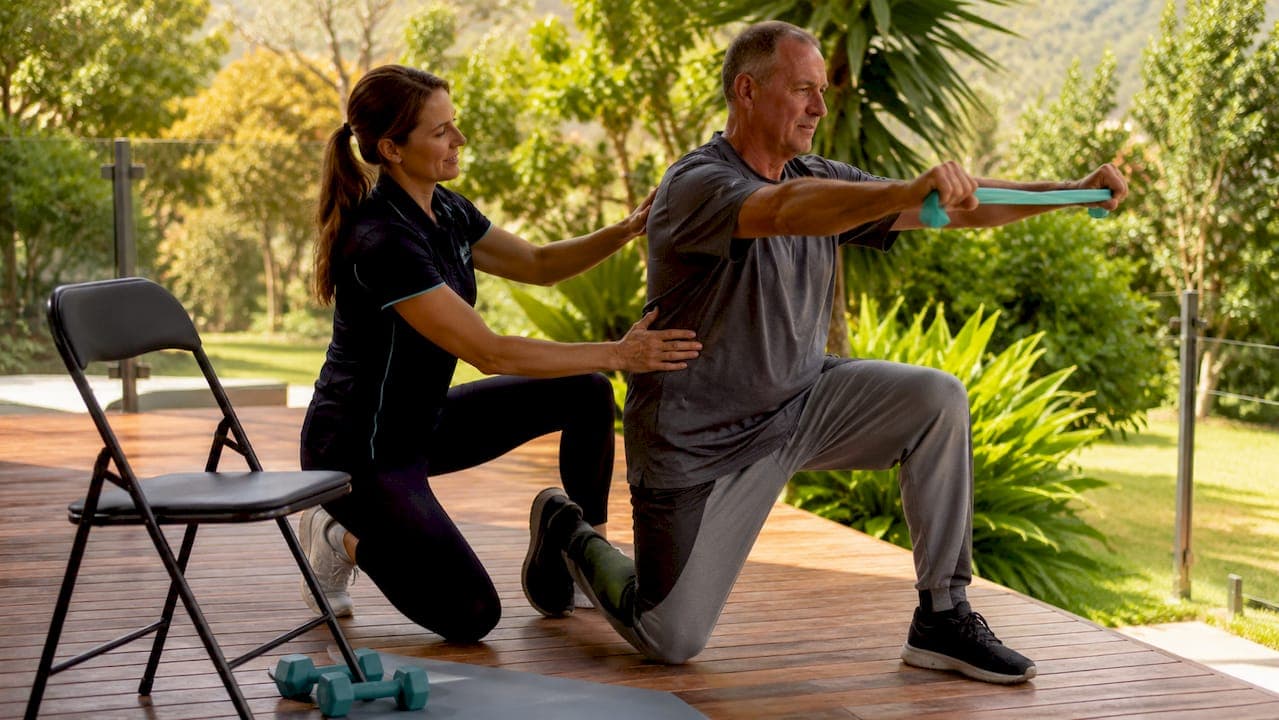
Gentle strength training is defined as low-intensity, controlled resistance exercise designed to build functional strength without overloading a sensitised nervous system. For people living with chronic pain, it is one of the most evidence-backed tools available. A randomised controlled trial found that whole-body strength training over 12 weeks reduced pain intensity and improved trunk strength in people with chronic low back pain. That result matters because it shows the body can adapt positively, even when pain has been present for a long time. The International Association for the Study of Pain (IASP) supports this, noting that exercise perceived as safe is a cornerstone of chronic pain rehabilitation.
What does gentle strength training for chronic pain actually look like?
The industry term for this approach is low-impact strength training, and it sits within a broader framework of pain management exercises recommended by physiotherapists and rehabilitation specialists. The goal is not to exhaust you. Short, low-intensity sessions of 10–20 minutes show higher adherence and better therapeutic outcomes than high-intensity protocols for people with chronic pain. That is a genuinely useful finding. It means you do not need to suffer through a gruelling workout to make progress.
Clinical guidelines recommend training 3–4 times per week, focusing on controlled, functional movements rather than chasing fatigue or high repetitions. Think sit-to-stands, wall push-ups, and gentle lunges. These exercises mimic real-life movements, which means the strength you build actually transfers to daily life.
Here are the core principles to keep in mind:
- Keep sessions to 10–20 minutes, especially when starting out
- Aim for 3–4 sessions per week with rest days in between
- Choose functional movements over isolated muscle exercises
- Breathe steadily throughout every movement (holding your breath spikes tension)
- Progress gradually, adding one or two repetitions per week rather than jumping up in load
Pro Tip: If you finish a session feeling like you could have done a little more, that is exactly right. Leaving something in the tank is the whole point when you are managing chronic pain.
How do you read your body's signals during training?
This is where most people go wrong, and honestly, it is not their fault. Nobody teaches you how to interpret pain during exercise. The key distinction is between discomfort (a dull ache, mild muscle fatigue, or a sensation that stays steady or fades after you stop) and harmful pain (sharp, stabbing, or pain that worsens during or after a session).

Physical therapist Tera Sandona explains that starting dose matters most in chronic pain strength training. The goal is to gradually widen the range of movements your nervous system interprets as safe. That is a really important reframe. Pain in chronic cases often stems from nervous system hypersensitivity rather than ongoing tissue damage. Gradual, consistent activity expands what experts call the "safety zone," reducing protective pain responses over time.
A simple framework many physiotherapists use is the traffic light system:
- Green: Mild discomfort that stays the same or reduces during movement. Keep going.
- Amber: Discomfort increases slightly but remains manageable. Slow down, reduce range of motion, or take a short rest.
- Red: Sharp pain, sudden increase in symptoms, or pain that persists for more than 24 hours after a session. Stop and reassess.
Tracking your workouts and symptoms helps you find your individual exercise 'sweet spot.' Monitoring how your body responds to intensity, duration, and timing improves self-awareness and builds exercise tolerance over time. Think of it like a personal experiment where you are the scientist.
One thing to watch out for is the boom-bust cycle. That is when you feel good one day, do far too much, and then spend the next three days on the sofa. Consistency at a manageable capacity prevents this pattern and promotes sustained improvement. Slow and steady genuinely wins this race.
Pro Tip: Keep a simple notebook or phone note after each session. Rate your pain before and 24 hours after on a scale of 1–10. Patterns will emerge quickly, and you will know exactly what works for your body.
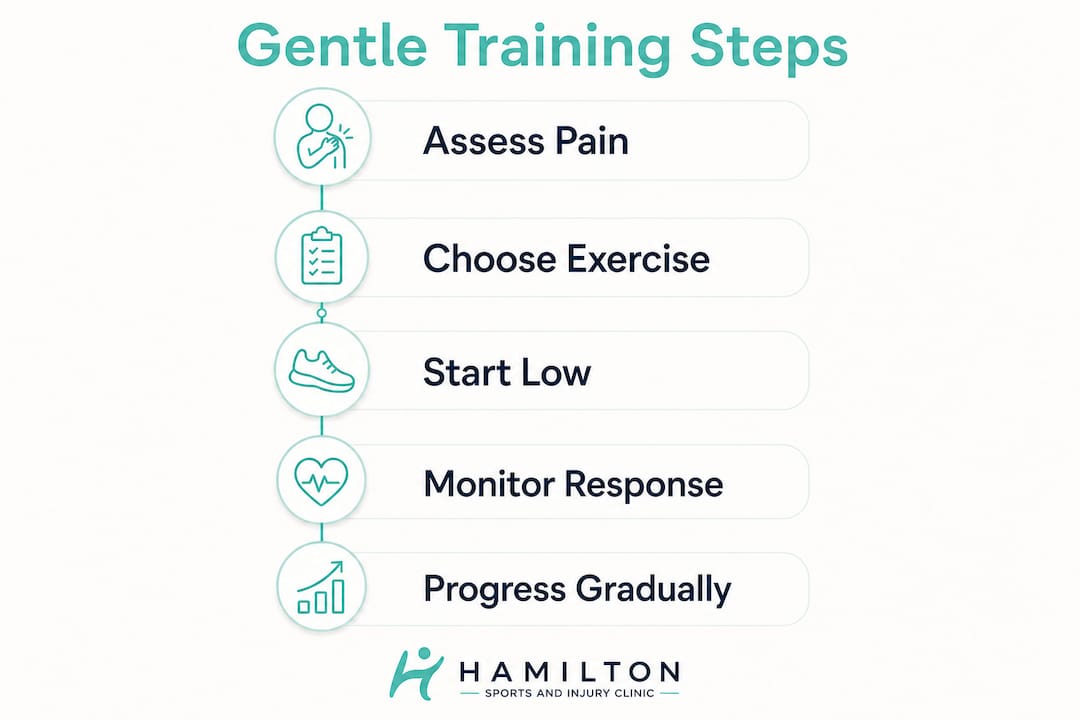
Overemphasis on pain scoring during sessions can actually increase pain vigilance, which is a counterproductive focus on symptoms rather than progress. The IASP highlights that addressing psychological factors like fear and pain catastrophising is just as important as the physical side of rehabilitation.
What equipment do you need for safe home training?
Good news: you do not need a gym membership or expensive kit. The most effective tools for low-impact strength training at home are already within reach for most people.
Resistance bands, a sturdy chair, wall space, and light dumbbells cover the vast majority of exercises suitable for chronic pain management. Resistance bands are particularly useful because they provide progressive resistance without the jarring load of free weights, making them kind to joints.
Here is a quick overview of what each piece of equipment is good for:
| Equipment | Best use | Modification tip |
|---|---|---|
| Resistance band | Upper and lower body strengthening | Use a lighter band and reduce range of motion |
| Sturdy chair | Sit-to-stands, seated exercises | Keep feet flat on the floor for stability |
| Wall space | Wall push-ups, standing balance work | Step closer to the wall to reduce load |
| Light dumbbells | Shoulder press, bicep curls | Start with 0.5–1 kg and progress slowly |
Seated exercises deserve a special mention. If standing exercises feel too demanding on a particular day, almost every movement in a gentle fitness programme can be adapted to a seated position. Seated shoulder presses, seated marching, and seated resistance band rows all build meaningful strength without requiring you to bear full body weight. Slower tempos (taking 3–4 seconds to lower a weight rather than dropping it quickly) also increase muscle engagement while reducing joint stress. You can find more on adapting movement for pain in Sportsinjurydublin's 2026 guide.
A beginner strength circuit you can start this week
This circuit is built around functional movements that develop strength, balance, and mobility for daily independence. Perform each exercise in order, rest for 60–90 seconds between exercises, and aim for one full round to start. Add a second round after two weeks if your body responds well.
-
Sit-to-stand (8–10 reps): Sit near the front of a sturdy chair. Place feet hip-width apart. Lean slightly forward and push through your heels to stand. Lower back down slowly. This builds leg and core strength and directly improves your ability to get up from chairs and sofas.
-
Wall push-up (8–10 reps): Stand facing a wall, arms extended at shoulder height. Bend your elbows to bring your chest toward the wall, then push back. The closer you stand to the wall, the easier it is. This builds chest, shoulder, and arm strength without loading the wrists or spine heavily.
-
Seated resistance band row (10 reps): Sit in a chair with a resistance band looped around a door handle or sturdy post at chest height. Hold one end in each hand, sit tall, and pull the band toward your chest. Squeeze your shoulder blades together at the end of the movement. This counters the forward-slumped posture that often accompanies chronic pain. Poor posture and pain are closely linked, as Sportsinjurydublin's guide on posture and chronic pain explains in detail.
-
Gentle lunge (6–8 reps each leg): Stand behind a chair and hold the back for balance. Step one foot forward and lower your back knee toward the floor, only as far as feels comfortable. Return to standing. This builds single-leg strength and improves balance, both of which reduce fall risk.
-
Gentle walk (5 minutes): Finish with a slow, steady walk around your home or garden. Walking is a legitimate strength and pain management exercise in its own right. It reinforces the message to your nervous system that movement is safe.
Pro Tip: Do not skip the walk at the end. It acts as both a cool-down and a gentle reinforcement that your body handled the session well. That psychological signal matters as much as the physical one.
Progression is simple. Add one repetition per exercise every week. After four weeks, try adding a second round. The goal is to build tissue tolerance and reduce movement-related pain sensitivity through consistent, gradual input. You can also explore personalising your chronic pain treatment plan to adapt this circuit further to your specific needs.
Key takeaways
Gentle strength training is the most evidence-backed, accessible method for reducing chronic pain, improving mobility, and rebuilding confidence in movement through short, consistent, low-intensity sessions.
| Point | Details |
|---|---|
| Short sessions work best | 10–20 minute sessions show better adherence and outcomes than longer, intense workouts. |
| Train 3–4 times per week | Regular, spaced sessions build tolerance without triggering flare-ups. |
| Read your body's signals | Use a traffic light framework to distinguish manageable discomfort from harmful pain. |
| Equipment is minimal | A chair, wall, resistance band, and light dumbbells cover most exercises safely at home. |
| Progress gradually | Add one repetition per week and avoid the boom-bust cycle to sustain long-term improvement. |
What I have learned from working with people in chronic pain
Here is something I do not think gets said enough: the hardest part of strength training for chronic pain is not the physical effort. It is the fear. Fear that movement will make things worse. Fear that you will have a terrible flare-up and be back to square one. That fear is completely understandable, and it is also one of the biggest barriers to getting better.
What I have seen, time and again, is that the people who make the most progress are not the ones who push hardest. They are the ones who show up consistently, even on the days when they only manage five minutes. A five-minute session on a bad day is not a failure. It is a message to your nervous system that movement is still safe. That message compounds over weeks and months in ways that genuinely surprise people.
I also want to say this: bad days are part of the process, not a sign that the approach is not working. Chronic pain is not linear. Some weeks will feel like you are going backwards. That is normal. The trend over months is what matters, not how you feel on any given Tuesday.
Building strength for chronic pain management is not about chasing intensity. It is about building confidence, function, and independence, one small session at a time. And if you need a bit of expert support to get started or to figure out what is right for your specific situation, that is not weakness. That is just good sense.
— Mark
How Sportsinjurydublin can support your training
Living with chronic pain and trying to figure out exercise on your own can feel like a lot. Sportsinjurydublin's sports rehabilitation service is built for exactly this situation. The team at Hamilton Pain and Sports Injury Clinic takes an individualised approach, looking at your lifestyle, activity level, and specific pain presentation rather than applying a one-size-fits-all protocol.
Whether you need guidance on building a safe starting routine, support through a flare-up, or access to therapies like shockwave and laser treatment to complement your strength work, the clinic offers practical, hands-on help. Clients regularly report significant improvements after just one or two sessions. If you are ready to move with more confidence and less pain, Sportsinjurydublin is a genuinely good place to start.
FAQ
Is strength training safe when you have chronic pain?
Strength training is safe for most people with chronic pain when it is low-intensity, gradual, and matched to current capacity. The IASP confirms that exercise perceived as safe is a core component of effective chronic pain management.
How long should a gentle strength training session be?
Sessions of 10–20 minutes are the most effective starting point for people with chronic pain. Shorter programmes show higher adherence and better initial therapeutic benefits than longer, high-intensity workouts.
What is the difference between normal discomfort and harmful pain during exercise?
Normal discomfort is a dull, steady ache that stays the same or fades after you stop moving. Harmful pain is sharp, worsening, or persists for more than 24 hours after a session, and is a signal to reduce load or seek professional advice.
How often should I train if I have chronic pain?
Training 3–4 times per week with rest days in between is the recommended frequency for people with chronic pain. This spacing allows the nervous system and tissues to adapt without accumulating excessive load.
Can I do these exercises at home without equipment?
Yes. Sit-to-stands, wall push-ups, and gentle lunges require only a chair and a wall. A resistance band adds variety and progression options, but the core circuit is fully achievable with no specialist equipment at all.