
Inflammation can start a pain problem and then keep it running long after the original injury has healed, through two separate but connected routes: it sensitises the nerve endings in your tissues, and it triggers a matching flare-up inside your spinal cord and brain called neuroinflammation. The chief troublemakers are a trio of chemical messengers called cytokines, namely IL‑1β, TNF‑α, and IL‑6, alongside a molecular alarm system called the NLRP3 inflammasome. Once you understand that, a lot of "why won't this just go away" pain starts to make sense.
Here's the practical bit. Chronic pain (defined as pain that outlasts normal tissue healing, so more than a few months) affects roughly 20% of adults worldwide, and it rarely responds to a single fix. Because two systems are usually involved (the tissue and the nervous system), effective care tends to need more than one approach at once.
- Peripheral sensitisation: IL‑1β, TNF‑α, and IL‑6 lower the firing threshold of nerve endings, so normal movement starts to feel painful.
- Neuroinflammation: immune cells inside the spinal cord (microglia and astrocytes) amplify pain signals, a process called central sensitisation.
- The takeaway: a personalised rehab plan, reviewed by a clinician, generally beats a generic "just rest it" approach, because it targets both the tissue and the nervous system.
Key Takeaways
Inflammation drives chronic pain through two connected routes, peripheral nerve sensitisation and central neuroinflammation, meaning effective treatment usually has to address both the tissue and the nervous system together.
| Point | Details |
|---|---|
| Two mechanisms, not one | Peripheral cytokines (IL‑1β, TNF‑α, IL‑6) sensitise nerves; microglial activation in the spinal cord drives central sensitisation. |
| NLRP3 is a key target | This inflammasome produces IL‑1β and IL‑18 and is a focus of emerging chronic pain therapies. |
| Match diagnosis to condition | Rheumatoid arthritis, gout, neuropathic pain, and fibromyalgia each involve inflammation differently. |
| Combine therapies, don't isolate them | Graded rehabilitation, sleep, stress management, and selective medication together outperform any single approach. |
| Watch for red flags | Fever, progressive neurological signs, or sudden joint swelling need prompt medical review, not self-management. |
Table of Contents
- What is inflammation, and how does chronic inflammation differ from acute inflammation?
- How does inflammation actually cause chronic pain, mechanically?
- Which conditions commonly link inflammation to chronic pain?
- What tests and assessments identify inflammation as a pain driver?
- What actually works for inflammation-related chronic pain?
- What can you safely do now, and when should you get urgent medical review?
- How does personalised clinic care apply these mechanisms in practice?
- The mechanism-first take that most pain advice skips
- Sources
What is inflammation, and how does chronic inflammation differ from acute inflammation?
Acute inflammation is your body doing exactly what it's meant to do. You roll your ankle, it swells, goes red, gets warm, and hurts enough that you stop walking on it. That's immune cells rushing to the scene, cleaning up damaged tissue, and setting the stage for repair. Within days to a few weeks, that response should switch off. It resolves.
Chronic inflammation is what happens when that switch-off signal doesn't fire properly, or when a low-grade version of the same process keeps ticking over in the background. You might not see swelling or redness at all. Instead, it shows up as persistent stiffness, fatigue, a general sense of being "not quite right," or pain that outlasts any reasonable healing timeline for the tissue involved.
Here's what's often missed, even by people who've had chronic pain for years: ending inflammation is not a passive process. It's an active biological programme, sometimes called resolution biology, and it needs specific pro-resolving mediators to complete properly. Some emerging evidence suggests that blanket-suppressing acute inflammation too early (think reaching for maximum-dose NSAIDs the moment you're injured) may interfere with that resolution process and could raise the risk of the pain becoming chronic in the first place. Inflammation isn't simply the enemy. It's the enemy only when it fails to switch off.
Three things worth checking in yourself if you suspect low-grade chronic inflammation is part of your pain picture:
- Local signs: warmth, swelling, or tenderness that persists well beyond the expected healing window for the injury.
- Systemic signs: unexplained fatigue, disturbed sleep, or a general "flu-like" heaviness that comes and goes with your pain flares.
- Pattern signs: pain that's worse after rest (classic of inflammatory conditions) rather than worse with activity and better with rest (more typical of straightforward mechanical pain).
How does inflammation actually cause chronic pain, mechanically?
This is where the "role of inflammation in chronic pain" question gets genuinely interesting, because the mechanism isn't one process. It's two, running in parallel and feeding each other.
Peripheral sensitisation: turning down the volume knob on your nerves
When tissue is inflamed, immune cells flood the area with signalling proteins. Three matter most for pain: IL‑1β, TNF‑α, and IL‑6. Think of these as chemical messengers that don't just recruit more immune cells. They physically change the sensitivity of the nerve endings (nociceptors) sitting in that tissue.
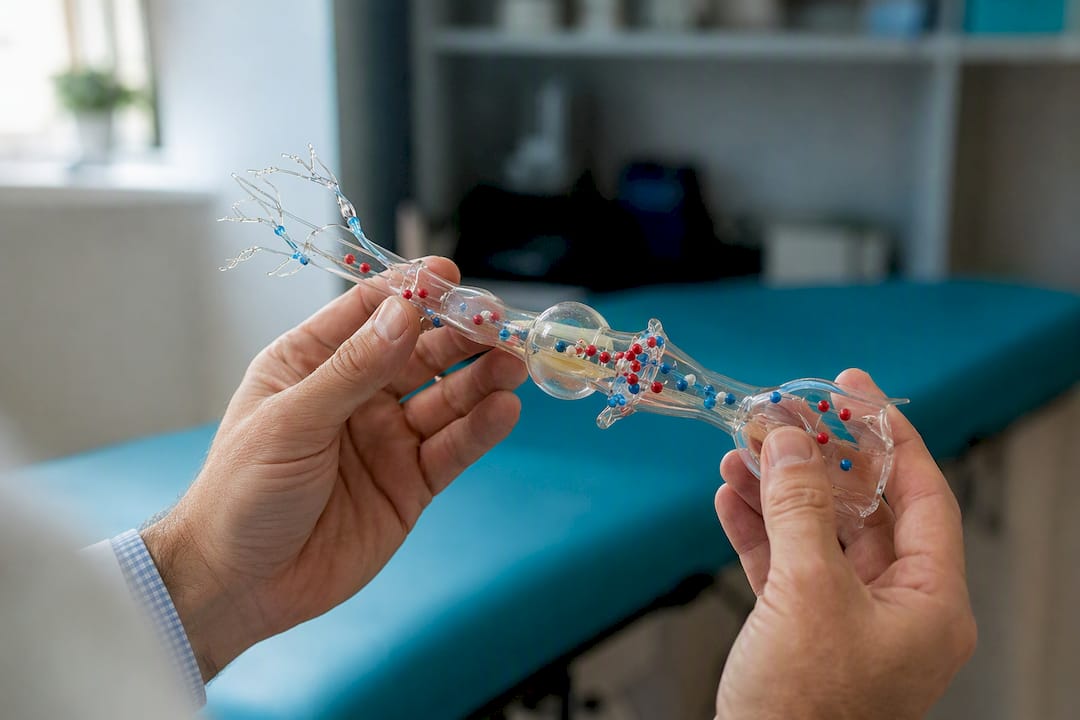
Under normal conditions, a nociceptor needs a fairly strong stimulus (a hard knock, extreme heat, a genuine tear) before it fires a pain signal. Once IL‑1β, TNF‑α, and IL‑6 are circulating in that pro-inflammatory microenvironment, those same nerve endings start firing at much lower thresholds. A light touch, a normal joint movement, even ambient temperature can suddenly register as painful. That's peripheral sensitisation, and it's the reason an inflamed knee hurts to touch even in places that weren't directly injured.
Neuroinflammation and central sensitisation: the pain memory that won't fade
The second mechanism happens further up the chain, inside the spinal cord and brain, and it's the piece most patients have never heard explained clearly.
When pain signals keep arriving from an inflamed or injured area for long enough, resident immune cells in the central nervous system, mainly microglia and astrocytes, become activated. In a healthy nervous system, these cells sit relatively quiet, doing housekeeping. Once activated by sustained pain input, they start releasing their own inflammatory mediators directly into the spinal cord's dorsal horn, the relay station where pain signals get processed before heading to the brain.
The result is central sensitisation: the nervous system essentially turns up its own amplifier. Pain signals get exaggerated, non-painful signals start registering as pain (called allodynia), and the pain can persist even after the original tissue has fully healed. This neuroimmune activation is a documented driver in the transition from acute to chronic pain, and it explains one of the most frustrating experiences in chronic pain: scans come back clean, yet the pain is unmistakably real.
The NLRP3 inflammasome: pain's molecular alarm bell
If IL‑1β is one of the main culprits in both mechanisms above, the NLRP3 inflammasome is the machinery that produces it. NLRP3 is a protein complex that assembles inside certain immune cells in response to danger signals, tissue damage, or even metabolic stress. Once assembled, it activates an enzyme called caspase‑1, which cleaves and releases active IL‑1β and a related cytokine, IL‑18, into the surrounding tissue.
This matters clinically because the NLRP3 inflammasome has been directly implicated in both chronic inflammatory and neuropathic pain, making it one of the more promising targets for future pain therapies. It's not just background biology. It's a specific, druggable switch that researchers are actively trying to turn off in a targeted way, rather than suppressing the whole immune response.
Chronic pain affects roughly 20% of adults worldwide, yet current treatments achieve meaningful relief in fewer than 30% of those patients. That gap is precisely why multimodal, mechanism-targeted approaches matter more than a single pill or a single treatment technique.
The vicious cycle, and why it changes how treatment should be chosen
Here's the part that trips people up: pain and inflammation don't just cause each other once. They feed each other in a loop. Inflammation sensitises nerves and activates spinal cord immune cells, which produces more pain, which drives further neuroimmune activation, which produces more sensitivity. Round and round.
- Peripheral inflammation at the site of injury needs peripheral treatments, things like targeted manual therapy, anti-inflammatory strategies, or addressing the mechanical driver directly.
- Central sensitisation needs an entirely different toolkit, focused on retraining the nervous system's threshold through graded movement, load management, and sometimes medication aimed at nerve sensitivity rather than tissue inflammation.
Treating only one half of that loop is a common reason people feel stuck despite doing "everything right."
Which conditions commonly link inflammation to chronic pain?
Not every case of chronic pain has a strong inflammatory component, but several conditions are built almost entirely around this mechanism. Recognising your own pattern here can help you have a sharper conversation with a clinician.
- Rheumatoid arthritis and inflammatory arthritides: an autoimmune process drives sustained cytokine release directly in the joint lining, producing pain that's classically worse after rest and accompanied by visible swelling and morning stiffness lasting over 30 minutes.
- Gout: uric acid crystals directly trigger NLRP3 activation in the joint, causing an intense IL‑1β driven flare. Repeated flares without proper management can lead to ongoing joint damage and chronic pain between attacks.
- Neuropathic pain after nerve injury: following surgery, trauma, or nerve compression, immune cells around the damaged nerve stay activated long after the original injury, sustaining pain signals through the same neuroinflammatory pathway described earlier.
- Fibromyalgia and other nociplastic pain presentations: clinical exams often show little to no visible swelling, yet research increasingly points to neuroinflammatory markers and central sensitisation as key drivers, which is part of why these conditions were historically (and wrongly) dismissed as "not real."
If your pain pattern matches one of these, it's worth naming that condition specifically when you speak to a clinician, because the assessment pathway and treatment priorities differ quite a lot between, say, gout and fibromyalgia, even though inflammation sits somewhere in both.
What tests and assessments identify inflammation as a pain driver?
A good clinical assessment for inflammation-linked pain is more of a detective process than a single test. Here's roughly what it should involve, in the order it usually happens.
- Detailed history first: your clinician should ask about pain patterns (worse with rest or worse with activity), systemic symptoms like fatigue or morning stiffness, family history of inflammatory conditions, and how the pain has evolved since onset.
- Physical examination: looking for joint swelling, warmth, restricted range of motion, and signs of nervous-system sensitisation such as pain spreading beyond the original injury site or exaggerated response to light touch.
- Routine blood tests: CRP (C-reactive protein) and ESR (erythrocyte sedimentation rate) are the standard first-line markers of systemic inflammation. Neither is perfect. Both can be normal in localised or neuropathic pain, so a normal result doesn't rule inflammation out.
- Imaging where indicated: X-ray, ultrasound, or MRI can pick up structural inflammatory changes in joints or soft tissue, particularly useful in suspected inflammatory arthritis or gout.
- Specialist referral: rheumatology for suspected autoimmune or crystal arthropathies, a pain clinic for complex or centrally sensitised presentations, or neurology when neuropathic features dominate.
Worth knowing, purely so you're not disappointed if your GP doesn't offer it: newer research tools like cerebrospinal fluid cytokine profiling and TSPO‑PET imaging (which visualises activated microglia in the brain) exist, but they remain research-level investigations, not routine clinical tests you'd be offered in a standard pain workup.
What actually works for inflammation-related chronic pain?
The single most consistent message across the research is this: personalise the plan, and combine approaches rather than relying on one. A multidisciplinary strategy that pairs targeted physical rehabilitation with lifestyle change and, where genuinely needed, medical therapy, outperforms any single intervention used alone.
Rehabilitation and movement come first, not last
Graded exposure to movement, meaning gradually reintroducing the activities your pain has made you avoid, is one of the better-supported ways to retrain both the tissue and the oversensitised nervous system at the same time. Functional strengthening around the affected joint or region, combined with manual therapy where appropriate, addresses the peripheral inflammatory driver directly. Early, well-targeted rehab that works on the local tissue environment often produces better functional outcomes than relying on systemic anti-inflammatory medication alone, particularly for localised chronic pain. A structured sports rehabilitation programme that adjusts load week to week tends to work better than either total rest or pushing through pain, because both extremes tend to feed the inflammatory cycle rather than resolve it.
Lifestyle measures that genuinely move the needle
- Sleep: poor sleep is directly linked to elevated inflammatory markers, so fixing sleep quality is not a soft, secondary recommendation. It's a mechanistic one.
- Stress reduction: chronic stress hormones interact with the same cytokine pathways discussed earlier, meaning ongoing stress can keep the inflammatory loop active even when the original injury has healed.
- Weight management: excess adipose tissue is metabolically active and produces its own inflammatory signalling, adding to the total inflammatory load on joints already under mechanical stress.
- Dietary patterns: an emerging area of research looks at the gut-brain axis and how gut microbial balance influences systemic inflammation, though this remains a developing field rather than a settled prescription.
Pro Tip: Don't try to overhaul sleep, stress, diet, and exercise all in the same week. Pick the one lifestyle factor that's most obviously broken right now (usually sleep) and fix that first. Trying to fix everything at once is the fastest way to abandon all of it within a fortnight.
Medication has a role, but the role is narrower than most people assume
NSAIDs can help manage acute flares and short bursts of inflammatory pain, but the resolution biology point from earlier applies here too: reaching for them reflexively, long-term, and at high doses isn't automatically the safest default. Short courses of steroids have a place in specific inflammatory flares when a clinician judges the benefit outweighs the risk. For diagnosed inflammatory conditions like rheumatoid arthritis, disease-modifying therapies prescribed by a rheumatologist address the underlying immune process rather than just masking pain.
Long-term opioid use deserves a specific caution here, and it's one that's parallel to the NSAID caution above: sustained opioid use carries its own risks around dependence and, based on emerging neuroimmune research, may actually interact poorly with the same microglial pathways driving central sensitisation, potentially worsening the problem it's meant to solve over time.
What's coming, but isn't routine yet
Biologic therapies targeting TNF‑α directly (anti‑TNF drugs), along with newer approaches like CSF‑1R inhibitors aimed at calming overactive microglia, represent a genuinely promising research direction. Early signals from repurposed immunomodulators are encouraging, but human trial results remain mixed, and better patient stratification is needed before these become mainstream chronic pain treatments. For readers looking for a broader picture of how personalised chronic disease care works in general, chronic disease management approaches outside pain specifically follow a similar multidisciplinary logic.
What can you safely do now, and when should you get urgent medical review?
Small, consistent actions usually beat dramatic overhauls when you're dealing with an inflammation-linked pain pattern. Here's a sensible starting sequence.
- Start with pacing, not pushing: a short, graded movement plan (walking for a fixed, tolerable duration and adding a minute or two every few days) works better than either total rest or trying to "push through" a flare.
- Add gentle strength work once movement is stable: light resistance work for the affected area, guided by a professional where possible, helps rebuild the tissue's tolerance without reigniting the inflammatory response.
- Fix your sleep and stress basics: a consistent sleep and wake time, and one deliberate stress-reduction habit (even five minutes of breathing work daily), both feed directly into the cytokine pathways covered earlier.
- Set one small, measurable functional goal: something concrete like "walk 15 minutes without a flare" or "lift a 5kg bag safely," and track it weekly rather than judging progress day to day, since inflammatory pain naturally fluctuates.
Some symptoms need medical attention sooner rather than later, not a graded self-management plan. Seek prompt review for a fever alongside joint pain, any progressive numbness or weakness, new and significant joint swelling that appears suddenly, or pain that's escalating despite rest and basic self-care. These can signal an infection, an acute inflammatory flare needing medical treatment, or a nerve issue that shouldn't wait.
How does personalised clinic care apply these mechanisms in practice?
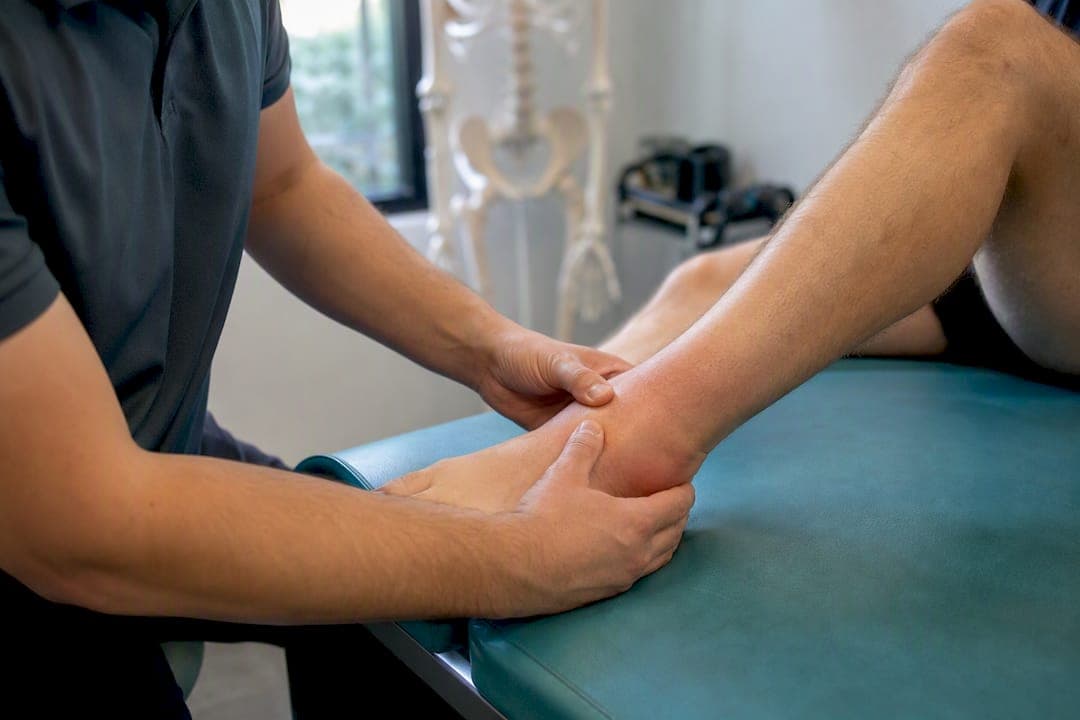
Reading about cytokines and central sensitisation is one thing. Applying that knowledge to an actual painful shoulder or a knee that's flared up for the third time this year is another. This is exactly where Sportsinjurydublin's approach at the Hamilton Pain and Sports Injury Clinic starts: with an individual assessment that tries to work out whether a given case of pain is being driven mainly by local tissue inflammation, nervous-system sensitisation, or (most commonly) some combination of both.
- Assessment identifies the driver: movement testing, palpation, and a detailed history help distinguish a peripherally inflamed structure from a sensitised nervous system presenting with widespread, disproportionate pain.
- Treatment maps to mechanism: manual therapy and graded rehabilitation address peripheral inflammation and tissue load; where a localised inflammatory or tendon issue is identified, shockwave and laser therapy is sometimes used alongside exercise prescription.
- Timelines are set individually, rather than promised as a blanket number, because a purely peripheral issue typically resolves faster than one with significant central sensitisation layered on top.
Targeted, local-microenvironment rehabilitation, paired with a genuinely individualised assessment rather than a generic protocol, aligns with what the neuroimmune pain research increasingly supports: chronic pain rarely has one single driver, so the plan shouldn't have one single lever either.
None of this replaces a proper medical assessment where red flags are present, or where a diagnosis like inflammatory arthritis needs confirming through blood work and specialist input. Clinic-based rehabilitation works alongside that medical pathway, not instead of it.
If you're dealing with a pain pattern that fits the inflammatory picture described throughout this article, and you want an assessment built around your specific case rather than a generic exercise sheet, a structured sports rehabilitation programme is a sensible starting point. For those easing back into training or sport after a flare, the return-to-sport rehabilitation pathway is built specifically around that graded reloading process, and shorter recovery sessions suit anyone who wants a lower-commitment first step before booking a full programme.

The mechanism-first take that most pain advice skips
Most consumer health content on chronic pain jumps straight to "reduce sugar and inflammation will improve," and that advice isn't wrong so much as thin. It skips the part that actually explains why a person's pain won't budge: a sensitised nervous system doesn't recalibrate because a diet changed for three weeks. It recalibrates through graded, repeated, appropriately dosed input, which is a rehabilitation problem as much as a nutritional one.
Where I think the evidence is clearest is this: microglial activation and NLRP3 signalling matter far more to long-term outcomes than most patients are told, and yet almost none of the popular advice translates that biology into anything a person can actually do on a Tuesday afternoon. The translation matters more than the biology itself.
What should come first isn't a supplement or an elimination diet. It's an accurate read on whether your pain is peripherally driven, centrally sensitised, or both, because that single distinction determines whether rehab, medication, or a combination gives you the best shot at genuine improvement.
— Mark
This article is general information, not a substitute for advice from a qualified doctor. Consult a qualified healthcare professional about your own circumstances before acting on anything here.