
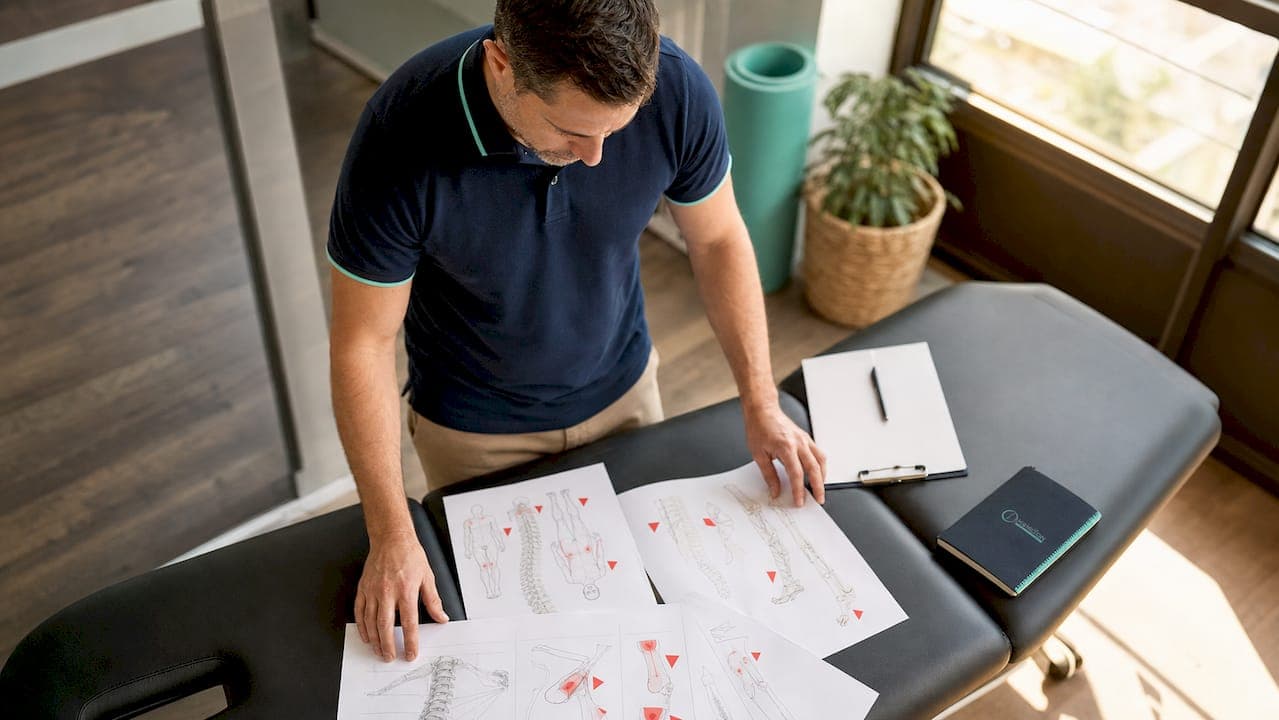
Sports injury red flags are warning signs that indicate potentially serious damage needing prompt medical care. Most weekend athletes shrug off soreness and carry on, which is fair enough when it's just tired muscles. But some symptoms are your body's way of saying "oi, this is different." Knowing the difference between normal post-training ache and a genuine red flag could save you months of recovery time, or worse, a permanent problem. This guide gives you a clear sports injury red flags list so you can act fast when it matters.
1. What are the sports injury red flags requiring emergency care?
Some symptoms mean one thing: get to A&E immediately. Emergency intervention is required for visible bone deformity, uncontrollable bleeding, neurological deficits, and altered consciousness after head trauma. These are not "wait and see" situations.
Here are the signs that demand a 999 call or an immediate trip to the emergency department:
- Visible bone deformity or bone protruding through skin. If a limb looks wrong, it is wrong.
- Heavy, uncontrollable bleeding that does not slow with direct pressure.
- Head injury with confusion, vomiting, or loss of consciousness. Concussion can deteriorate rapidly.
- Cold, pale, or blue limb after injury. This signals possible vascular damage and is a genuine emergency.
- Complete loss of sensation in a limb following trauma.
If you are unsure whether a symptom is serious enough for A&E, it almost certainly is. Err on the side of going. A wasted trip is infinitely better than a missed emergency.
Pro Tip: If someone loses consciousness after a head injury, do not move them unless they are in immediate danger. Call 999 and keep them still until help arrives.
2. Which red flags suggest you need urgent specialist consultation?
Not every serious injury needs A&E, but some symptoms do need a specialist within 24–48 hours. Symptoms indicating high-probability structural damage include a loud pop or crack at the moment of injury, immediate severe pain, inability to bear weight, and persistent night pain. These point to ligament tears, fractures, or significant joint damage.
Watch out for these critical sports injury indicators:
- A loud pop or crack at the time of injury. This is the classic sound of an ACL tear or tendon rupture. It is not a sound you forget.
- Inability to bear weight on a joint within hours of injury. If you cannot put weight through a knee or ankle, something structural has likely given way.
- Rapid swelling within minutes. Rapid swelling after injury indicates substantial tissue damage or haemarthrosis (bleeding inside the joint), which needs urgent assessment.
- Persistent night pain that disturbs sleep. Pain that wakes you up is rarely just muscle soreness.
- Joint locking or catching. If your knee or shoulder locks mid-movement, something mechanical is blocking it.
Pro Tip: Take a short video of any visible swelling or deformity before you ice it. Clinicians find it genuinely useful to see the injury in its early state, not just after you have treated it.
3. Warning signs of mechanical dysfunction needing professional assessment
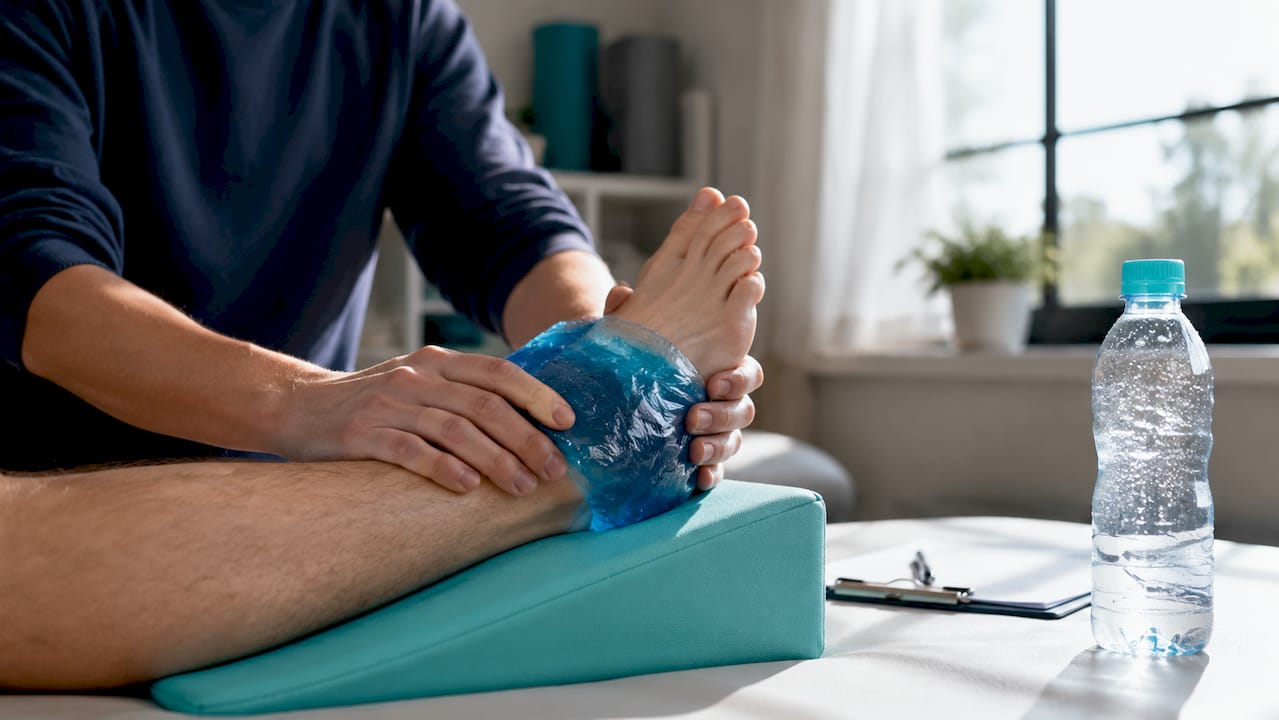
Some red flags creep up slowly rather than arriving with a bang. Pain lasting more than 3–5 days without improvement despite sensible first aid, or recurring joint catching, warrants early intervention to prevent long-term complications. These slower signals are easy to dismiss, which is exactly why they cause so many problems.
Here is how to tell the difference between normal fatigue and something that needs attention:
- Pain that does not improve after 3–5 days of rest and basic care. Normal muscle soreness peaks at 24–72 hours and then fades. Injury pain does not follow that pattern.
- Recurring joint locking, catching, or giving way. Joint locking or re-injury indicates mechanical issues beyond a minor sprain, often pointing to loose bodies or meniscus problems.
- Repeated injury in the same spot. Re-injuring the same area is a sign that the original problem was never fully resolved.
- A new limp or change in how you move. Movement pattern changes signal the body's attempt to protect an injury, and they increase secondary injury risk without prompt action.
| Symptom | Normal fatigue | Injury red flag |
|---|---|---|
| Pain timing | Peaks at 24–48 hours, then fades | Persists or worsens beyond 5 days |
| Location | Diffuse, across muscle groups | Localised to one spot or joint |
| Night pain | Absent | Present and sleep-disrupting |
| Movement changes | None | New limp or altered gait |
Pro Tip: If you catch yourself unconsciously favouring one side during training, stop and assess. That compensation is your body's early warning system firing before the pain gets loud.
4. How neurological and sensory symptoms signal serious injury
Nerve symptoms after a sports injury are a category of their own, and they should never be brushed off. Neurological symptoms such as numbness, tingling, and loss of bladder or bowel control are significant warning signs that require urgent medical evaluation.
These are the sensory red flags to watch for:
- Numbness or tingling in a limb following injury. This suggests nerve compression or damage, particularly after neck or back trauma.
- Progressive weakness or clumsiness in a hand or foot. If you cannot grip properly or your foot drops, nerve involvement is likely.
- Loss of bladder or bowel control. This is rare but represents a spinal emergency. Do not wait. Go to A&E immediately.
- Pins and needles that spread or worsen over time rather than resolving with position changes.
A quick self-check: run your fingers lightly along both arms and legs after an injury. Uneven sensation between sides is worth reporting to a clinician. Pain that changes your movement pattern is a critical red flag, as compensatory movements risk further joint damage. Understanding why pain persists after an injury can help you make sense of these neurological signals and act sooner.
5. General sports injury symptoms you should never ignore
Some symptoms sit in a middle ground. They are not quite emergency territory, but ignoring them is how minor injuries become major ones. This is the part of the sports injury symptoms checklist that most people skip, and it is the part that catches them out.
Here is what to take seriously:
- Severe or worsening pain that does not ease with rest or ice. Pain that escalates rather than settles is a red flag, full stop.
- Rapid and extensive bruising. Bruising that spreads quickly or appears in unusual locations can indicate deeper tissue damage.
- Visible joint misalignment. If a joint looks out of place, it probably is.
- Instability or buckling of a joint during normal activity, not just sport.
- Difficulty performing everyday tasks like walking upstairs or lifting a bag.
For initial care, the PEACE & LOVE protocol offers a modern alternative to the old RICE method. It prioritises protection and gentle, pain-free movement over aggressive icing, which promotes better natural healing in the first 48–72 hours. Pair that with an injury prevention checklist and you have a solid foundation for managing early-stage injuries sensibly.
Pro Tip: Avoid aggressive icing for more than 10 minutes at a time in the first 48 hours. The PEACE & LOVE approach favours gentle movement and compression over numbing the area repeatedly.
Key takeaways
Recognising a sports injury red flag early is the single most effective way to prevent a short-term problem from becoming a long-term one.
| Point | Details |
|---|---|
| Emergency signs need A&E now | Visible deformity, uncontrollable bleeding, head trauma, or cold limbs require immediate emergency care. |
| Structural damage has clear signals | A loud pop, inability to bear weight, or rapid swelling within minutes all point to serious structural injury. |
| Slow-developing symptoms matter too | Pain beyond 3–5 days, recurring joint locking, or a new limp signal mechanical dysfunction needing assessment. |
| Nerve symptoms are urgent | Numbness, tingling, progressive weakness, or bladder changes after injury require prompt medical evaluation. |
| PEACE & LOVE beats RICE | Modern first aid favours protection and gentle movement over aggressive icing in the first 48–72 hours. |
What I have learned from watching people ignore the obvious
Here is something I see all the time: someone comes in after six weeks of "managing" a knee that buckled on them during a Sunday run. They iced it, rested it for a few days, and then went back out. It buckled again. They repeated the cycle. By the time they showed up, what could have been a straightforward ligament assessment had turned into a much longer rehabilitation process.
The uncomfortable truth is that most people do not ignore red flags because they are reckless. They ignore them because they are optimistic, and because sport is part of their identity. Stopping feels like failure. I get it, genuinely. But here is the thing: catching a problem at week one versus week six is the difference between a few sessions of sports rehabilitation and a much longer road back.
The other thing worth saying is that movement changes are the most underrated red flag on this list. People notice pain. They do not always notice that they have started running with a slight lean, or that they are pushing off differently on one side. Those compensations are your body quietly telling you something is wrong before the pain gets loud enough to demand attention. Pay attention to how you move, not just how much something hurts.
My honest advice: treat this sports injury red flags list like a checklist, not a suggestion box. If you tick even one box, get it assessed. Early action is almost always the right call.
— Mark
When to get proper help for a sports injury
If you have spotted any of the warning signs in this guide, the next step is a proper assessment from someone who knows what they are looking at.
Sportsinjurydublin offers personalised sports injury assessment and rehabilitation for active individuals across Dublin. Whether you are dealing with a joint that has not felt right since a training session, persistent night pain, or a movement pattern that has quietly changed, the team at Sportsinjurydublin works with your specific situation rather than a generic protocol. Services include sports rehabilitation, shockwave and laser therapy, and targeted recovery sessions designed to get you back to what you love doing. Clients regularly report significant improvements after just one or two sessions. If something feels off, it probably is. Get it checked.
FAQ
What are the most serious sports injury red flags?
Visible bone deformity, uncontrollable bleeding, head injury with confusion or vomiting, and a cold or pale limb after trauma all require immediate emergency care. These symptoms indicate potentially life-threatening or permanently damaging injuries.
How do I know if swelling after a sports injury is serious?
Rapid swelling within minutes of injury indicates possible haemarthrosis or significant tissue damage and needs urgent professional assessment. Swelling that develops slowly over hours is generally less urgent but still worth evaluating if it does not settle within a few days.
When should I see a specialist rather than waiting?
Hearing a loud pop at the time of injury, being unable to bear weight on a joint, or experiencing persistent night pain are all signs that a specialist assessment is needed within 24–48 hours. These symptoms suggest structural damage that imaging can confirm.
Is numbness after a sports injury always serious?
Numbness or tingling following injury is a neurological red flag that requires prompt medical attention, particularly after neck or back trauma. Loss of bladder or bowel control after a spinal injury is a medical emergency requiring immediate A&E attendance.
What is the PEACE & LOVE protocol for sports injuries?
PEACE & LOVE is a modern first-aid approach that replaces the old RICE method, prioritising protection and gentle pain-free movement over aggressive icing in the first 48–72 hours. It supports the body's natural healing processes rather than suppressing them.