
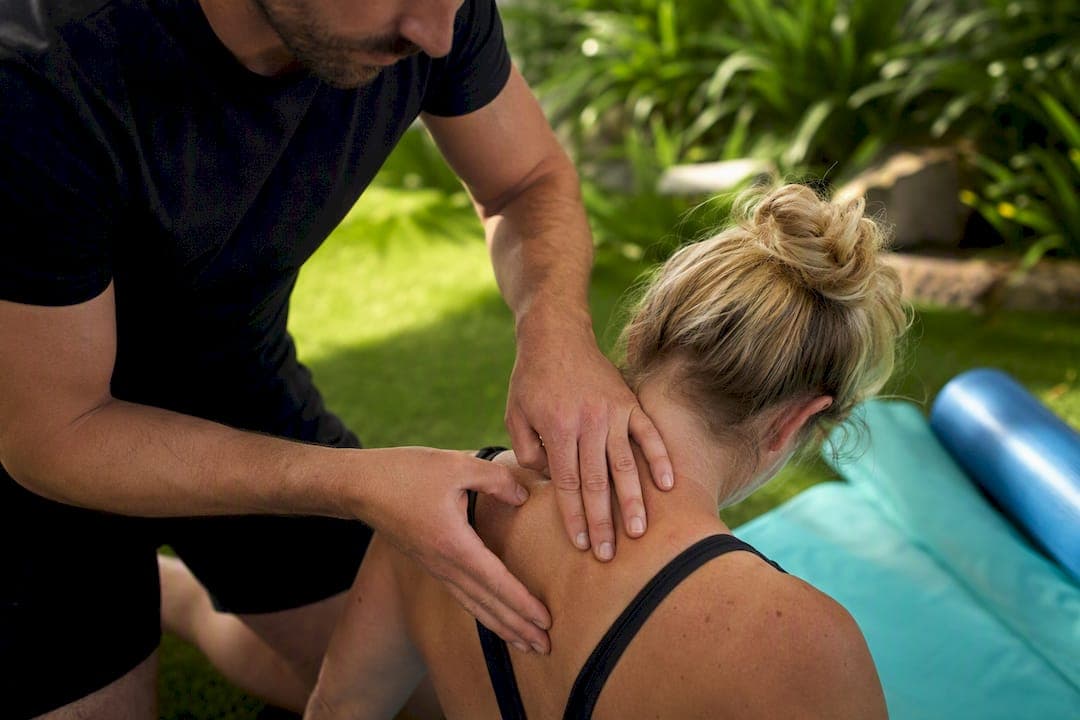
Trigger point therapy is a hands-on (or needle-on, depending on who's treating you) approach that targets tight, irritable knots in a muscle, called trigger points, which can cause pain right there or send it somewhere else entirely. That last bit surprises most people. A knot in your shoulder can quite happily send a dull ache down your arm, and you'd never think to blame your shoulder.
Here's the honest verdict: manual techniques like sustained pressure and massage give modest, short-term relief for pain and movement, backed by decent evidence from the American Academy of Family Physicians. Dry needling and injections? The evidence is a lot messier, and some of the benefit may come down to placebo. Neither is a cure. Both can genuinely help, especially alongside proper rehab.
What should you actually do right now?
- If your pain is mild to moderate and localised, try safe self-massage or a foam roller before booking anything.
- If pain persists beyond a couple of weeks, radiates unusually, or comes with numbness or weakness, see a clinician.
- If you've got red flag symptoms (unexplained weight loss, fever, progressive weakness), skip self-care and get checked properly.
TL;DR:
- Manual therapy provides modest, short-term pain and mobility relief, with more reliable evidence than needling or injections.
- Needling and injections have inconsistent results and should generally be considered only after conservative manual methods fail.
- Therapist skill significantly affects outcomes, making proper technique essential for lasting improvement.
- Self-massage is a useful starting point, involving locating trigger points and applying steady pressure for 60 to 90 seconds.
- Long-term relief requires combining trigger point therapy with personalized rehab plans addressing movement patterns and root causes.
Table of Contents
- What is trigger point therapy and what does the evidence actually say?
- How clinicians treat trigger points: manual therapy, needling, and injections
- What benefits can you realistically expect, and where are the limits?
- Who benefits most, and when should you be cautious?
- Safe self-care steps and how to prepare for a clinic visit
- How Hamilton Pain and Sports Injury Clinic approaches trigger point work
- The anatomy behind a trigger point
- How does it compare with other muscle pain therapies?
- How to find a qualified trigger point therapist
- What conventional advice gets wrong about trigger points
- Ready to deal with your trigger points properly?
- Key Takeaways
- Sources
What is trigger point therapy and what does the evidence actually say?
Trigger points are hyperirritable, taut bands sitting inside a muscle, and they're stubborn little things. Press one and you'll feel it locally, but often you'll also feel it somewhere unexpected. The AAFP describes this referred pain pattern as one of the defining features that separates a trigger point from ordinary muscle soreness, and it's usually linked to overuse, poor posture, stress, or muscle imbalance.
There are two rough categories worth knowing. Active trigger points hurt on their own, at rest or during use. Latent ones only complain when you poke them, but they can still restrict your range of motion without you realising why. Both types sit within taut bands of muscle fibre that stay contracted even when the rest of the muscle relaxes, which is part of why they feel like a hard little pea under the skin.
A comprehensive review of trigger point theory backs a multimodal approach, meaning manual therapy, dry needling, electrical stimulation, and exercise used together rather than any single method carrying the whole job. That review also highlights the ongoing use of trigger point charts, which map out where referred pain typically travels for each muscle group. Modern versions of these charts are far more condensed than the older exhaustive lists, which makes them genuinely useful in a clinic setting rather than an academic curiosity.
Now, the evidence itself. It's a mixed bag, and I'd rather tell you that plainly than oversell it.
Statistic to note: Non-invasive manual techniques show measurable, moderate improvements in pain-pressure thresholds and range of motion. Dry needling and injections have inconsistent results across trials, with some of that benefit potentially explained by placebo response.
A separate systematic review looking specifically at chronic non-cancer pain found something similar: manual therapy produced limited and inconsistent long-term relief, though several trials did show functional gains in movement and daily activity, even without a huge drop in pain scores. A 2019 trial published in the Archives of Physical Medicine and Rehabilitation found no consistent short-term pain effect across the board, but again, some individual trials showed people moving better afterwards.
So what's the honest summary?
- Manual therapy: modest, fairly reliable short-term benefit for pain and mobility.
- Dry needling and injections: mixed results, worth considering but not a guaranteed fix.
- Long-term pain relief from any single technique: inconsistent across trials, which is exactly why integrated rehab plans tend to outperform one-off treatments.
None of this means trigger point therapy doesn't work. It means it works best as one tool in a bigger toolbox, not a magic switch.
How clinicians treat trigger points: manual therapy, needling, and injections
Right, let's get into the actual methods, because knowing what's coming makes the whole thing far less intimidating.
Manual therapy is usually the first port of call, and for good reason. A therapist applies sustained ischaemic compression, meaning steady pressure directly on the trigger point, typically held for 60 to 90 seconds. The idea is to temporarily reduce blood flow to the area, then allow it to flood back in once you release, which seems to calm the irritability of the muscle fibres. Deep tissue work, sports massage, and tools like knobblers or massage balls all fall under this umbrella. It's the gentlest entry point and the one with the most consistent evidence behind it.
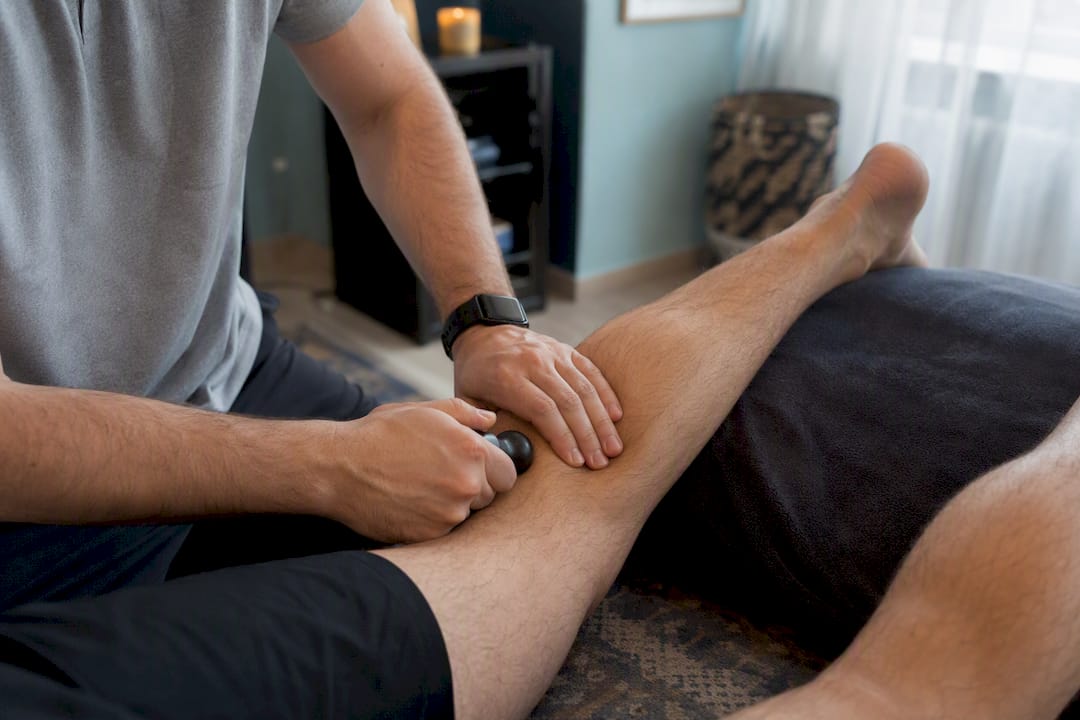
Dry needling is a step up in intensity. A thin needle goes directly into the trigger point, often producing what's called a local twitch response, a brief involuntary muscle contraction that practitioners take as a sign they've found the right spot. The working theory involves depolarising the overactive nerve endings feeding the muscle band. It's worth being upfront: outcomes vary considerably between patients, and the research on dry needling remains uncertain compared to manual work. It also needs a properly trained practitioner and carries real safety considerations, including a small risk of bruising, soreness, or, rarely, pneumothorax if needling near the ribcage.
Trigger point injections sit further along the escalation ladder still. Clinicians typically reserve these for cases that haven't responded to manual therapy or dry needling, injecting a local anaesthetic, saline, or occasionally a corticosteroid directly into the point. The AAFP's guidance is fairly clear that invasive procedures should be reserved for refractory cases after conservative options have had a fair go. Risks include infection, nerve irritation, and, again, pneumothorax near the chest wall.
Pro Tip: If a clinician suggests jumping straight to needling or injections without trying manual therapy first, ask why. Good practice usually means working up the ladder, not skipping straight to the top.
Then there are the adjuncts, which rarely get top billing but do a lot of the heavy lifting in a full recovery plan:
- Electrical stimulation to help calm overactive muscle fibres.
- Soft tissue mobilisation alongside stretching to restore normal length in the muscle.
- Structured exercise to retrain movement patterns that caused the trigger point in the first place.
- Heat before treatment to relax tissue, or cryotherapy afterwards to manage any soreness.
None of these adjuncts fix things on their own, but paired with manual work, they're often the difference between short-lived relief and something that actually sticks.
What benefits can you realistically expect, and where are the limits?
Short-term, the picture is genuinely encouraging. Most people who try manual trigger point therapy notice reduced pain and better range of motion within a session or two, particularly for regional issues like a stiff neck, tight calves, or a nagging shoulder.
Long-term is where things get more honest. Trials tracking people over weeks and months show inconsistent results, and a systematic review of chronic pain patients found the overall quality of evidence sits at low to moderate. That's not a knock against the therapy. It reflects how variable trigger point pain is from person to person, and how much outcomes depend on who's doing the treating.
That last point deserves its own line. Therapist skill is one of the biggest predictors of whether treatment works, and a poorly executed session, wrong point, wrong pressure, wrong duration, is a common reason people say "I tried that, didn't do anything."
What actually produces lasting results:
- Combining manual therapy with a structured movement and rehab plan rather than repeat treatments alone.
- Addressing the root cause, often posture, repetitive strain, or a muscle imbalance, not just the symptom.
- Following through with home exercises between sessions instead of treating it as a passive fix.
Think of trigger point therapy as loosening a stuck door hinge. It'll swing freely again, but if the frame's still warped, it'll seize up eventually unless you fix the underlying issue too.
Who benefits most, and when should you be cautious?
Trigger point therapy tends to suit certain people particularly well, and it's worth knowing whether you fall into that group before booking anything.
- People with regional myofascial pain — a stiff neck, a knotted shoulder blade, tight hip flexors from too much sitting. These respond well to manual work in most cases.
- Postural strain sufferers — desk workers, drivers, anyone whose day involves long stretches in one position, are classic candidates.
- Sport-related overuse cases — runners with tight calves, cyclists with locked-up hip flexors, anyone pushing volume without enough recovery.
Now, the caution list, and this one matters. See a doctor before pursuing trigger point work, especially anything invasive, if you notice:
- Progressive neurological symptoms — worsening numbness, weakness, or loss of coordination needs proper medical assessment first.
- Unexplained weight loss or systemic symptoms — fever, night sweats, or fatigue alongside muscle pain warrants a full medical work-up, not massage.
- Recent severe trauma — a fall, accident, or impact injury should be checked for fractures or deeper tissue damage before anyone starts pressing on it.
Contraindications for invasive techniques specifically include active infection at the treatment site, uncontrolled anticoagulant use, and certain systemic conditions where needling or injections carry disproportionate risk. If any of that applies to you, tell your clinician before treatment starts, not after.
Safe self-care steps and how to prepare for a clinic visit
You can do a surprising amount of this yourself, safely, before ever booking an appointment.
- Find the point. Press gently around the sore area until you find a distinct, tender band or nodule, usually firmer than the surrounding muscle.
- Apply sustained pressure. Hold moderate pressure for 60 to 90 seconds, not sharp jabbing. Breathe slowly and deliberately throughout. Holding your breath makes muscles guard, which works against you.
- Reassess and repeat. If it's easing, repeat two or three times a day. If it's getting worse or spreading, stop and see someone.
- Use tools sensibly. A foam roller or massage ball works well for larger muscles like calves or glutes. Percussive devices can help too, but keep the intensity moderate and never use them directly over a joint, nerve, or bone.
Pro Tip: Breathing matters more than most people think. A slow exhale as you sink into the pressure genuinely reduces how much your muscle fights back against the release.
If self-care isn't cutting it after a week or two, it's time to book a proper assessment. Turn up prepared. Bring a rough symptom diary, note what's made it better or worse, and mention anything you've already tried, including medications or previous treatments. Ask your therapist directly what technique they're planning, what to expect during and after, and how they'll measure progress. A good clinician will welcome the questions, not brush past them.
How Hamilton Pain and Sports Injury Clinic approaches trigger point work
We don't treat trigger points in isolation, because frankly, that rarely produces results that last. Every plan starts with a full assessment, working out not just where the pain is, but why it developed in the first place, whether that's a training load issue, a postural habit, or an old injury nobody properly rehabbed.
From there, targeted trigger point work gets paired with exercise prescription and follow-up, so the improvement from a session actually holds rather than fading within a week.
Individualised treatment isn't a marketing line, it's the difference between chasing symptoms indefinitely and actually resolving what's causing them. We look at lifestyle, activity level, and movement patterns together, because a trigger point rarely exists in a vacuum.
That's the pathway: assess, treat, retrain, review. It's less flashy than promising an instant fix, but it's the approach that tends to actually stick.
The anatomy behind a trigger point
A trigger point forms within a specific structure inside muscle tissue called the sarcomere, the basic contractile unit that shortens and lengthens as muscle works. In a healthy sarcomere, contraction and relaxation cycle smoothly. In a trigger point, a cluster of sarcomeres gets stuck in a sustained, low-level contraction, forming what's felt as a taut band running through the muscle.
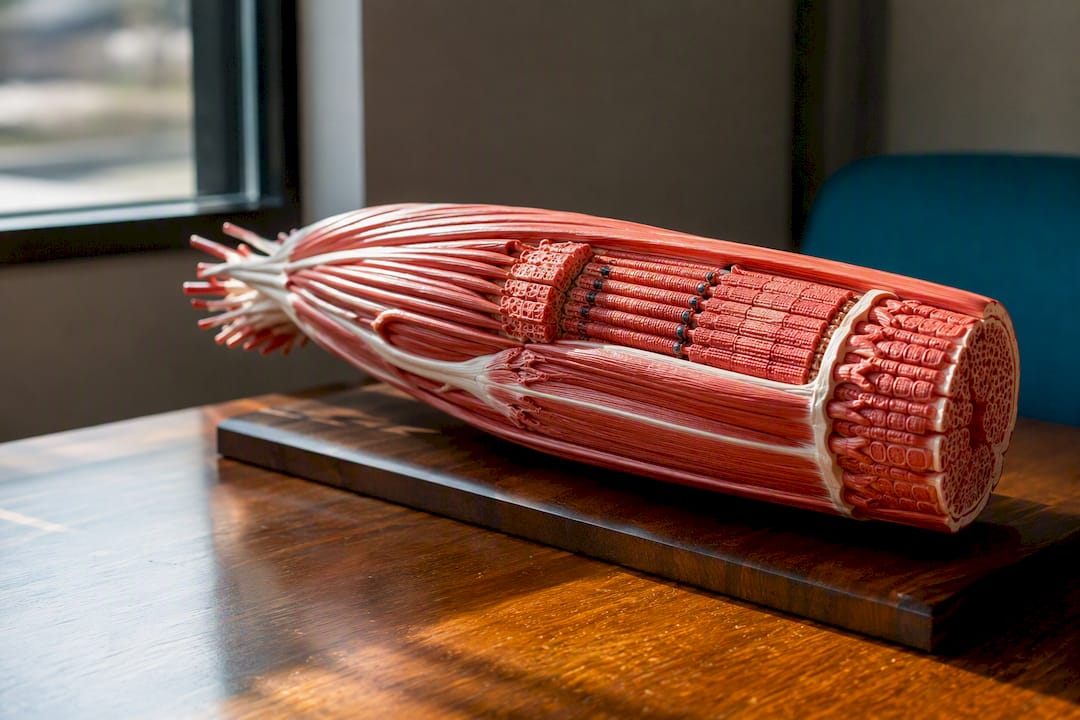
That sustained contraction restricts local blood flow, which starves the tissue of oxygen and lets metabolic waste products build up around the nerve endings. This is thought to be part of why the area stays sensitive and irritable long after whatever triggered it initially has passed.
Trigger points typically form at what's called the motor endplate, the junction where a nerve signal meets the muscle fibre. Overuse, sudden strain, or chronic postural load can all disrupt normal signalling at this junction, and the taut band that results doesn't just cause local tenderness. It can compress nearby small nerves and blood vessels, which partly explains the referred pain patterns mapped out in trigger point charts. A knot in the upper trapezius, for instance, can refer pain up into the head, which is exactly why some tension headaches trace back to shoulder tightness rather than anything happening in the skull itself.
How does it compare with other muscle pain therapies?
Trigger point therapy isn't the only route to muscle pain relief, and it's worth knowing where it sits alongside the alternatives.
General massage and stretching improve circulation and flexibility broadly but don't specifically target the taut bands causing referred pain. They're a good maintenance tool, less precise as a treatment for a stubborn knot.
Chiropractic adjustment focuses on joint alignment rather than muscle tissue directly. It can relieve pain that stems from joint restriction, but if the underlying issue is a myofascial trigger point, adjustment alone often won't resolve it.
Acupuncture overlaps somewhat with dry needling in technique but differs in theory and point selection, worth understanding if you're weighing the two before choosing a path.
Strength and movement-based rehab takes longer to show results but tends to produce the most durable outcomes, because it addresses the load and movement patterns that created the trigger point rather than just releasing the symptom. Research into strength training as a tool for chronic back pain backs this up, showing it as a genuinely effective long-term strategy rather than a quick fix.
Most people get the best results combining approaches rather than picking one and sticking rigidly to it.
How to find a qualified trigger point therapist
Credentials matter more than marketing here. Look for a physiotherapist, sports therapist, or chartered practitioner with specific training in manual trigger point techniques or dry needling, not just a general massage qualification.
Ask directly about their experience treating your specific issue, whether that's a running injury, a desk-job neck, or a recurring sports strain. A good therapist will explain their reasoning, not just start pressing on you. They should also be upfront about escalation, telling you clearly if manual therapy isn't working and something like dry needling might be worth considering next.
Check whether they take a full history before treating, including your posture, activity level, and any previous injuries. If a therapist offers the same treatment to every patient regardless of presentation, that's a red flag worth taking seriously. Good practitioners individualise, because personalising a chronic pain plan genuinely changes outcomes compared to a one-size-fits-all protocol.
What conventional advice gets wrong about trigger points
Most articles on this topic oversell dry needling and injections as the "advanced" solution, implying that if manual therapy hasn't fixed you, escalation is the obvious next step. The evidence doesn't really back that hierarchy. Manual techniques have more consistent support behind them, while invasive options carry mixed results and real, if modest, risks.
What gets underestimated constantly is therapist skill. Two people can receive what's technically the same treatment and get wildly different results, because trigger point work is genuinely difficult to execute well. That's not a comfortable message for anyone selling a quick fix, but it's the honest one.
If I had to tell you one thing to prioritise, it's this: don't chase repeat sessions of the same isolated treatment if it's not translating into lasting change. Ask instead whether posture, movement patterns, or training load are being addressed alongside the hands-on work. That's usually where the real, durable improvement comes from, not from finding a slightly stronger needle technique.
— Mark
Ready to deal with your trigger points properly?
Reading about sustained pressure and dry needling techniques is useful, but knowing exactly where your trigger points are and why they keep coming back takes a trained eye, not a foam roller and a search engine. Sportsinjurydublin builds a plan around your actual movement patterns and activity level, rather than running the same generic protocol on everyone who walks through the door.

If you've been self-treating for weeks with limited results, or your pain keeps returning after every session with someone new, that's usually a sign the underlying cause hasn't been addressed yet. Our approach pairs targeted manual and dry needling work with a proper rehabilitation programme so gains actually hold instead of fading within days. If you're unsure whether your pain warrants a professional look, our guide on when to see a sports therapist is a solid place to check. Otherwise, book an assessment directly and let's work out what's actually going on.
Key Takeaways
Trigger point therapy delivers reliable short-term pain and mobility gains through manual pressure, while lasting results depend on pairing it with proper rehab and movement correction.
| Point | Details |
|---|---|
| Manual therapy leads on evidence | Sustained pressure and massage show more consistent benefit than needling or injections. |
| Needling and injections stay second-line | Best reserved for cases that don't respond to conservative manual care first. |
| Therapist skill drives outcomes | Poor technique is a common reason people feel no improvement from treatment. |
| Self-care works as a starting point | Locate the point, apply 60 to 90 seconds of steady pressure, and breathe through it. |
| Lasting relief needs a full plan | Sportsinjurydublin pairs trigger point work with individualised assessment and rehab for results that hold. |
This article is general information, not a substitute for advice from a qualified doctor. Consult a qualified healthcare professional about your own circumstances before acting on anything here.
Sources
- Trigger‑point management (American Academy of Family Physicians)
- Advancing musculoskeletal diagnosis and therapy: a comprehensive review of trigger point theory and muscle pain patterns (PMC)
- Trigger point manual therapy for the treatment of chronic non‑cancer pain in adults (systematic review, PMC)
- Would you benefit from trigger point massage? (Cleveland Clinic)